Fiberglass vs. Vinyl vs. Wood Windows: A Material Guide for Long-Term Durability
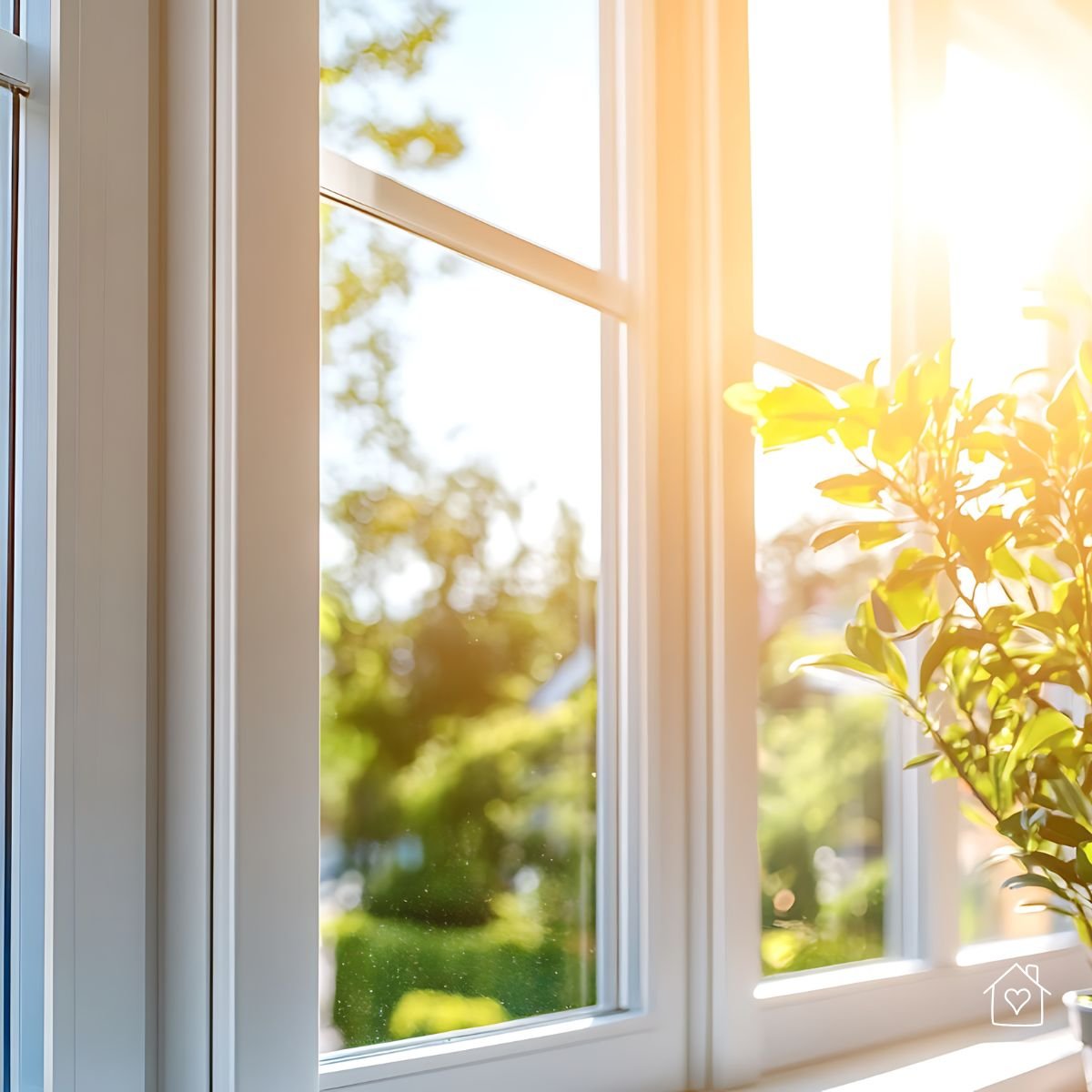
When I first bought my house, one of the things I absolutely loved about it was the windows. BIG, BEAUTIFUL, wood-framed windows....everywhere! And a sunroom with windows wall to wall (literally).
Now that the house is over 50 years old, I need to start thinking about replacing all of those big, beautiful windows. (Notice my thoughts are all lower case now??) Before I spend a dime, I want to understand exactly what I'd be choosing between....fiberglass, vinyl, or wood.
Windows do so much more than let the sunshine in. They affect how comfortable your home feels, your energy performance, your curb appeal, how much upkeep you'll be doing, and the long-term condition of the building envelope (that's the outer shell that keeps the weather out). Replacement windows are expected to serve a home for decades, so the frame material deserves more thought than a quick price comparison between manufacturers. Fiberglass, vinyl, and wood all have real advantages, but each one behaves differently in sunlight, moisture, temperature swings, and plain everyday use.
The right choice comes down to how you balance durability, looks, maintenance, energy performance, and budget. A window that looks gorgeous in a showroom may not be the right fit for a house that gets intense sun or a lot of weather changes. And the least expensive option up front may not hold up the way a more durable material will. Once you understand what each frame material brings to the table, it's a lot easier to make a practical decision based on what your home actually needs....and tune out the marketing claims.
From time to time, articles on The How-To Home may reference third-party websites, businesses, products, services, or review platforms as part of editorial research. When evaluating companies or services, we may consider publicly available information such as customer reviews, business websites, service offerings, licensing information when available, and overall relevance to the topic.
Understanding Fiberglass Windows
Fiberglass has become a more and more popular choice for homeowners who care most about structural stability and long-term performance. Vinyl is a flexible thermoplastic. Fiberglass is a rigid composite made with glass fibers and resin. That construction gives fiberglass frames a lot of strength, and it lets manufacturers make slimmer frames that leave more visible glass (as a certified window lover, I appreciate that!). It also resists common moisture problems like rot and deterioration. Industry comparisons generally recognize fiberglass as a durable, low-maintenance alternative to both vinyl and traditional wood.
One big advantage of fiberglass is how it handles temperature changes. A window frame expands and contracts over and over as the weather outside changes, and a lot of movement can stress the seals and other parts. Fiberglass has a thermal expansion rate that's pretty close to glass, which helps it keep its shape. Marvin, for example, describes its Ultrex fiberglass as expanding and contracting at virtually the same rate as glass. That's one reason fiberglass often comes up for homes where temperature swings are a real concern.
Choosing fiberglass doesn't mean every product on the market will perform the same, though. Manufacturing quality, frame design, glass selection, hardware, installation, and finishing systems all affect the final result. So it pays to look at the complete window, since choosing fiberglass alone doesn't guarantee better performance. Products like Infinity by Marvin windows use Ultrex fiberglass, a proprietary material designed around strength, stability, and resistance to everyday wear.
The Practical Advantages and Limitations of Vinyl
Vinyl windows are still popular because they're affordable, low maintenance, and dependable day to day. The frames are generally made from PVC, and you don't have to paint or seal them the way you would exposed wood. If you're working with a set renovation budget, vinyl can make replacing several windows a lot more doable while still giving you useful insulation and weather resistance.
The limitations matter more when long-term durability is your top priority. Vinyl moves more than fiberglass does, especially as temperatures go up and down. Lower-quality vinyl can also be more prone to warping, discoloration, or getting brittle over time, although quality varies a lot from product to product. Current consumer guidance commonly ranks vinyl below fiberglass for expected longevity, while pointing to its affordability and low maintenance as major advantages.
That doesn't make vinyl a bad choice! It can be a good fit for a lot of homes, especially when budget matters and the windows are correctly specified and installed. The key is comparing products at similar quality levels, since all vinyl windows are not interchangeable. Frame construction, reinforcement, glazing, weather seals, warranties, and installation quality can make a big difference in how a vinyl window performs over its lifetime.
Why Wood Still Has a Place in Modern Homes
Wood sits in a different spot in the window world. Its biggest advantage is usually how it looks. Natural wood has a warmth and character that suits traditional architecture, historic homes, craftsman-style houses, and interiors built around natural materials. (It's exactly what made me fall for my own house!) Wood can also be painted or stained, which gives you a lot of flexibility if you ever want to change the look of a room or the outside of your home.
Performance-wise, wood is naturally insulating, but it needs more attention than fiberglass or vinyl. Unprotected wood doesn't like moisture, and long exposure can lead to swelling, deterioration, or rot. Regular inspections and the right maintenance are a must. Exterior-clad wood windows can ease some of those worries by putting a more weather-resistant material on the outside and keeping the wood on the inside, but you'll still want to understand the maintenance needs of the specific product you're looking at.
Wood makes the most sense when architectural character is a priority and you don't mind ongoing care. It's also worth remembering that frame material alone doesn't decide how long a window lasts. Proper flashing, drainage, sealing, installation, glazing, and routine maintenance all affect how well a window handles moisture and weather. A well-maintained wood window can give you many years of service, while a poorly installed window of any material can develop problems early.
Comparing Durability in Real-World Conditions
Durability is easier to judge when you think about what windows go through every day. Sunlight can break down finishes, wind puts pressure on frames and hardware, rain brings moisture, and seasonal temperature changes make materials expand and contract. Windows also get opened and closed over and over, cleaned, and bumped now and then during normal household life (kids,
Fiberglass generally holds up well under all of that because it's rigid and resists moisture-related deterioration. Manufacturer engineering data for Ultrex, for instance, emphasizes its resistance to flexing, cracking, and separation, while its factory-applied acrylic finish is designed to resist surface wear and fading. These are manufacturer-specific claims, so weigh them alongside independent product specifications and warranty information, and don't assume they hold for every fiberglass window.
Vinyl can give you years of reliable service when it's properly made and installed, but its extra flexibility and thermal movement are worth thinking about if maximum longevity is your goal. Wood has great looks and insulating qualities, but it comes with more maintenance, especially where there's a lot of moisture exposure. In practical terms, the best material depends on your environment, the product quality, the installation, and how willing you are to maintain your windows over time.
Energy Efficiency Depends on More Than the Frame
It's tempting to assume the frame material alone decides whether a window will make your home more energy efficient. In reality, the whole window assembly matters. Glass type, Low-E coatings, insulating gas, spacer technology, frame construction, weather seals, and installation all play a part in thermal performance. That's why the performance ratings for the complete window tell you more than the material label does.
Fiberglass can be a strong foundation for an energy-efficient window because its dimensional stability helps the frame work well with the glazing system. Vinyl can also insulate well thanks to its low-conductivity construction, and wood is naturally insulating. The differences get more nuanced when you compare complete products, which is why published performance ratings are so helpful when you're shopping.
Your climate should play into the decision too. A home in a region with big temperature swings may ask more of its windows than one in a fairly mild climate. Coastal exposure, intense sun, humidity, freezing temperatures, and severe storms can also change which materials and features are worth prioritizing. So the question to ask is which combination of material, glass, design, and installation fits your home's specific conditions.
Maintenance and Long-Term Ownership
Maintenance is one of the easiest things to overlook when you're comparing prices. A window isn't something you buy on installation day and forget about. It becomes part of your home's ongoing maintenance schedule. Think about how much time and money you're willing to put into
Vinyl generally needs very little routine maintenance, which is one reason it appeals to busy homeowners. Fiberglass also needs limited upkeep, especially when the frame has a durable factory finish. Wood needs more attention because exposed surfaces may need periodic painting, staining, sealing, or checking for moisture damage. Those differences add up as the years go by.
Long-term ownership goes beyond maintenance, too. A durable window should keep working, keep looking good, and stay properly sealed for years. Hardware that gets hard to operate, failed seals, worn finishes, or water-management problems can make a window a lot less useful even when the frame itself is still in one piece. That's why choosing a reputable manufacturer and an experienced installer can matter just as much as choosing the frame material.
Making a Long-Term Window Investment
Cost is naturally part of the decision, but the price on day one only tells part of the story. Vinyl often wins for homeowners who need an economical replacement. Wood can cost more up front and need more maintenance, but its looks may be worth it if you place a high value on natural materials and architectural authenticity. Fiberglass generally sits at the premium end because it combines strength, stability, and low maintenance.
Think about how long you plan to stay in your home, too. If you're planning to sell fairly soon, upfront cost and immediate curb appeal may matter most. If you expect to stay put for decades, it makes sense to give more weight to durability, maintenance, how well the windows operate, and the chances of having to replace them all over again.
The most useful approach is to compare complete window systems side by side. Ask about glass packages, frame construction, warranties, finishes, installation requirements, expected maintenance, and performance ratings. Looking at all of it together gives you a much clearer picture of what you're actually getting for your money over time.
Conclusion
Fiberglass, vinyl, and wood windows each have a real place, and no single frame material is right for every home. Vinyl offers affordability and low maintenance, wood brings natural character and design flexibility, and fiberglass combines strength, dimensional stability, and limited upkeep. Those differences matter most when you expect your windows to perform reliably through years of changing weather and everyday life.
For a long-term replacement project, the best decision is an informed one. Consider your home's climate, architectural style, budget, maintenance expectations, energy goals, and how long you plan to stay. Then compare complete window systems from reputable manufacturers and pay close attention to installation quality. When you weigh all of those together, you can choose windows that look beautiful on installation day and stay practical and dependable for years to come. Are you living with older windows and weighing a replacement too? I would love to hear which way you're leaning....