How to Set Up a Small-Acreage Sheep or Goat Area for Easier Daily Care
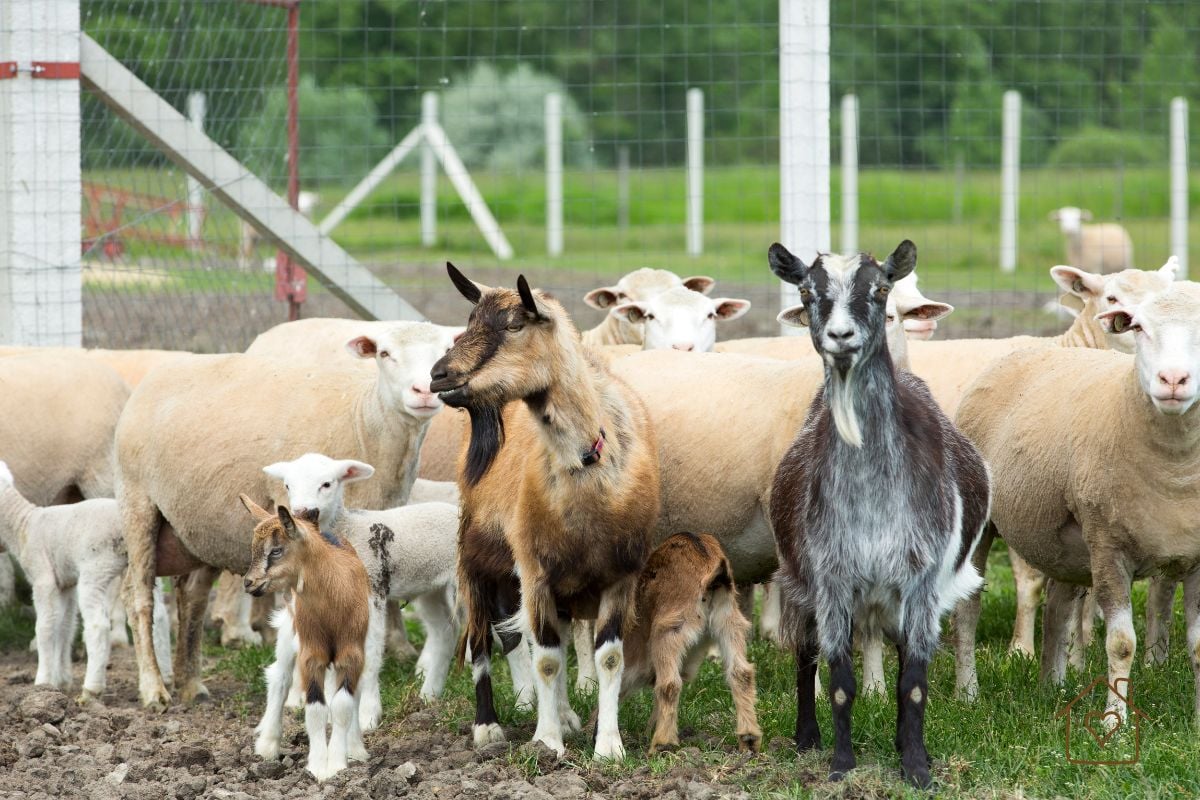
When I was a teenager, I wanted a lamb more than just about anything else in the world. My dad was on my side before I'd even finished asking....he was raised on a farm, and I think some part of him missed it more than he ever let on. He went ahead and built the most adorable little barn (I was a teenage girl, so yes, a small barn was absolutely adorable to me), and the two of us set out to convince my mother.
My mom grew up in the city. That lamb was never happening, and we both knew it. We let the idea go, but it's lingered in me ever since. These days my sons and I talk about wanting a little family compound somewhere down the road. My older boys want zero part of the actual animal side of things (they've made that very clear), but my youngest is all in....he'd have a barn framed out by next weekend if I let him.
So even though I never got that lamb, I've spent enough years around people who did to know the real work isn't the animals. It's the setup. Where the gate swings. How far you have to haul the feed bucket. Whether you can pull one goat away from the rest of the flock without it turning into a whole event. A few smart decisions up front save you months of frustration later, so let's walk through how to lay out a small acreage sheep or goat area that actually makes your daily care easier instead of harder.
From time to time, articles on The How-To Home may reference third-party websites, businesses, products, services, or review platforms as part of editorial research. When evaluating companies or services, we may consider publicly available information such as customer reviews, business websites, service offerings, licensing information when available, and overall relevance to the topic.
Start With the Jobs You Perform Every Day
Before you move a single fence post or buy one more gate, sit down and list out the jobs you actually do every day. Carrying feed. Filling water.
Then walk the property with that list in your hand.
Think about where your hay and grain are stored and how far you have to haul them before they're actually in front of an animal. Can you reach the feeders without wading into a crowded pen first? How will animals move from the main enclosure into a smaller holding area, and can you manage those gates safely on your own?
This is the exercise that shows you the weak spots. You can stare at a property sketch for an hour and still miss the thing that's going to annoy you every single morning for the next five years.
It also helps to map out a route your animals can follow the same way, every time, without you having to think about it. A good sequence usually moves animals from pasture or their main pen into a gathering area, then through a handling space before they're sorted or sent back out with the flock.
When you're mapping that route, the right equipment makes a real difference. If you're comparing livestock panels, gates, feeders, and handling components built for small ruminants, Paragon Livestock Solutions is a solid resource to check when you're figuring out what actually fits sheep and goats.
Pick your components based on your flock size, the animals you're keeping, and the jobs you do most. A small flock doesn't need a commercial size setup, but choosing the right pieces still saves you a lot of unnecessary labor down the road.
Build the Layout Around Natural Animal Movement
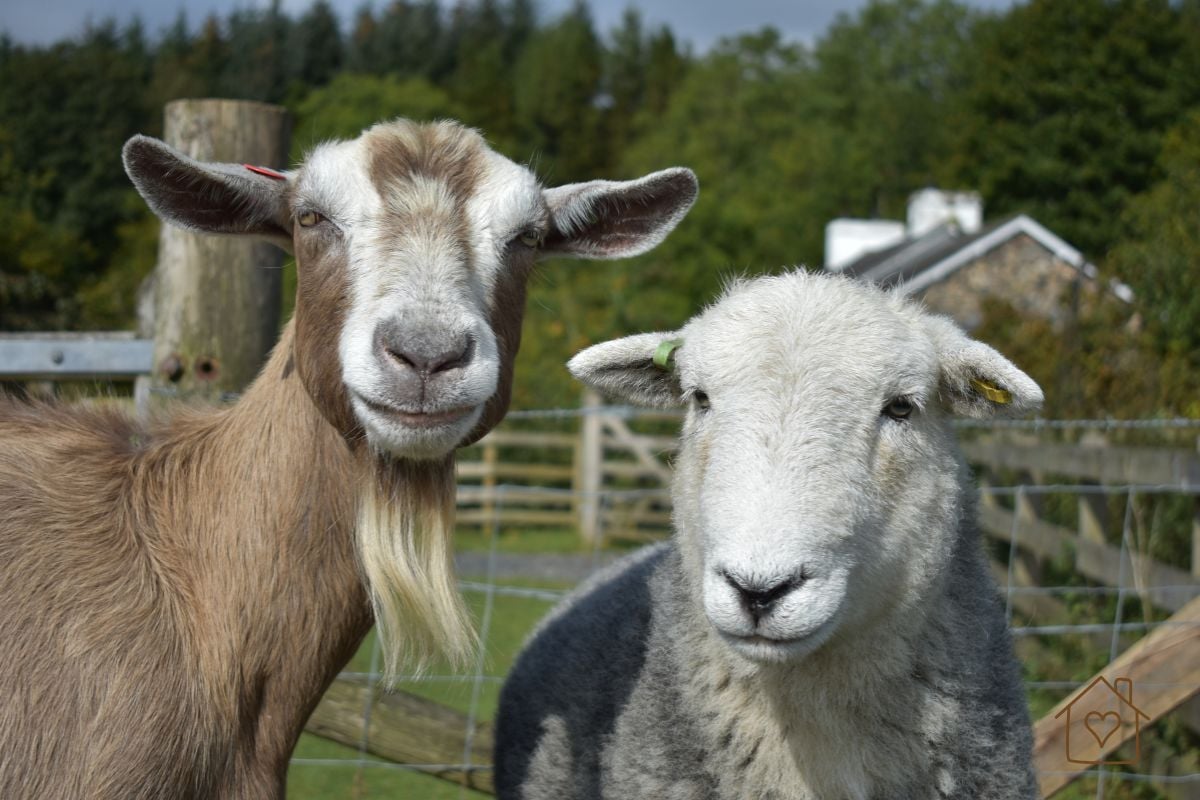
Sheep and goats move easiest when the property gives them one clear direction to go. Wide open areas, sharp corners, confusing exits....any of that will make animals stop, turn around, or scatter on you.
Start with a defined gathering point close to where the flock already spends its time. A smaller pen or section made with panels gives you a controlled space before animals ever reach the working area.
From there, let your gates and panels do the guiding, moving the flock toward sorting or handling equipment without you having to herd them by hand the whole way.
Skip the dead ends unless they're serving an actual purpose. An animal that walks into a corner with no way out usually has to be turned around by a person, and that raises everyone's stress level and usually means you need an extra set of hands.
Pay attention to which way your gates swing, too. A gate you use often should open in a direction that doesn't block you, your equipment, or the path your animals need to take. And put your latches somewhere you can reach them without standing directly in front of moving animals.
Movable panels earn their keep when your flock groups change through the year. You may need temporary divisions for lambing, kidding, weaning, breeding, or a short term quarantine. A flexible layout lets you make those adjustments without tearing apart the whole enclosure.
Create a Dedicated Area for Routine Handling
Routine care gets a lot easier once you have one consistent spot for the hands on work.
Weighing, hoof care, health checks, giving treatments, sorting, getting an animal ready for transport....all of that takes more control than general pasture time. Without a real handling area, you end up assembling temporary barriers or improvising some kind of restraint every single time one of these jobs comes up.
A basic handling area usually includes a gathering pen, a narrower race or passage, access gates, and a spot where you can restrain or sort one animal at a time.
Size it to match your actual flock. Go too big and you're wasting space you don't have on a small property. Go too small and cramped and your animals get reluctant to move, which leaves you with no room to actually work.
Put the handling area somewhere the flock already goes regularly. Animals move through familiar routes a lot more willingly than unfamiliar ones.
And make sure you, the handler, can safely reach every gate, latch, and animal. Position your equipment so you're never stuck standing in a pinch point or directly in the flock's path while you're trying to work.
Pay Attention to Footing, Drainage, and Visibility
The ground under your feet, and theirs, matters more than people expect.
Mud, standing water, unstable footing, harsh glare, sudden shifts from bright to dark....any of it can make sheep and goats slow down or just plain refuse to move. Loose equipment and unfamiliar objects will do the same thing.
There's good guidance out there on a well-designed handling system that covers drainage, lighting, animal movement, panel construction, and overall working conditions, and it's worth a read while you're planning this out.
Choose firm, reasonably level ground, and make sure water can drain away from the paths you use most. Good drainage means better footing and fewer muddy gates and panels to fight with.
Keep your lighting even enough that both you and the animals can see the route clearly. If you've got covered areas, don't make the flock walk straight into harsh glare or through abrupt shadows.
And keep the working route clear. Hoses, buckets, clothing, tools....anything lying around is either a distraction for the animals or a trip hazard for you.
Position Gates and Panels for Efficient Access
Gates and panels decide how easily people and animals move between every part of your property.
Figure out which areas need to connect directly....your main enclosure, pasture, feeding area, holding pen, shelter, handling space. A well placed connection eliminates a lot of unnecessary backtracking.
Give yourself a separate walk through access, too. That way you can carry feed, tools, or supplies into an enclosure without opening a big livestock gate and managing animals at the same time.
Panels are great for temporary separation inside larger pens....isolating an animal for observation, setting up a short term pen for young stock, or adjusting your group sizes as the seasons change.
Choose your gate and panel sizes based on the animals you're actually keeping. Goats climb and jump, so they often need taller containment than sheep do. And make sure your openings suit the size, age, and horn status of your animals so nobody gets a head or a leg caught.
Keep the area around your gates clear of bedding, manure, and mud so your hinges and latches keep working the way they should.
Make Feeding Part of the Property Layout
Feeding deserves just as much planning as your fencing and handling setup, because it's one of the chores you'll do the most, hands down.
Start with the distance between where you store feed and where you actually feed. Hauling hay or grain across the property every single day adds up fast, especially in bad weather or when you've got several pens to service.
Put your most used feeders where you can refill and clean them easily, without blocking a gate or a livestock route.
Give your animals enough room to approach the feeder without crowding each other. Too much competition at feeding time makes it harder to notice if one particular animal isn't eating the way it should.
Cleaning matters too. A feeder tucked tight into an awkward corner might save floor space, but it makes spoiled feed, bedding, and debris a pain to clear out.
Portable or panel mounted feeders come in handy when your pen setup shifts with the seasons. Lambing or kidding pens, weaning groups, temporary holding areas....they may each need their own configuration.
However you set it up, your feeding area should support the rest of your layout, not interrupt it.
Keep Frequently Used Equipment Close and Organized
Small tools and supplies are so much easier to manage when they have their own spot near the livestock workspace.
Buckets, halters, brushes, hoof care tools,
Wall mounted hooks, shelves, racks, and labeled containers (effective ways to store your tools has some good ideas) keep everything visible and off a damp floor where it'll just rust or mildew.
Grouping by task saves you time, too. Keep your hoof care supplies together, give your feeding tools their own spot, and keep the repair items you reach for most near your gates and panels.
Just make sure your storage doesn't narrow your walkways or get in the way of the animals moving through.
Leave Room for the Setup to Change
Your layout needs to be able to grow and shift right along with you.
Down the road you might add more animals, start a separate breeding group, need a temporary lambing or kidding pen, install a scale, or change up how you feed. Leaving a little unused space around your key areas now makes all of that so much easier later.
Modular gates and panels give you flexibility because you can move them as your needs change. That matters even more on a smaller property, where one space may need to pull double or triple duty throughout the year.
Think about the seasons, too. What works during summer grazing might need some adjusting once winter feeding, wet weather, or extra shelter time roll around.
And think ahead. If you might need a trailer, a bigger feeder, or another handling piece down the line, leave room for it now instead of squeezing it in later.
Test the Setup Before Calling It Finished
Before you decide the layout is done, walk through your most common chores start to finish.
Carry feed from storage to the feeders. Move the flock into the handling area. Open and close every gate like there are animals gathered right there. Practice separating one animal, reaching your hoof care area, and getting to your trailer loading point.
Notice everywhere you have to backtrack, squeeze past something, reach awkwardly for a latch, or move an object out of the way before you can finish a task.
Watch your animals while you're at it. The way they move will tell you if a gate is in the wrong spot, if a corner feels off, or if there's a route that just makes more sense than the one you originally planned.
Small changes make a real difference here. Shifting a panel angle, moving a feeder a few feet, relocating a gate....any one of those can change how the whole area functions.
Make Daily Care Easier Through Better Planning
A good small acreage setup for sheep or goats comes down to how well the space supports the work you already do every day.
Clear movement routes, gates that make sense, panels you can move when you need to, feeders you can actually get to, solid footing, organized equipment, and one dedicated handling area....all of it adds up to daily care that's easier to keep up with.
Plan for the flock you have right now, and leave enough room for whatever comes next. When every part of your property has a job to do, your days get more predictable and your acreage works a lot harder for you.
I still think about that little barn my dad built. Maybe one of these years, my youngest and I will finally put a setup like this to use ourselves....