AC Frozen Coil: Why Your Air Conditioner Is Icing Up and How to Fix It
An AC frozen coil is one of the most prevalent issues among the cooling systems that homeowners encounter and perhaps it is one of the least understood. In some instances, the ice on your unit may seem like a minor issue, but if it is ignored, it could be responsible for the entire cooling system stopping and causing serious damage to the unit.
*This post may contain affiliate links and I'll earn a commission if you shop through them. You can read my full disclosure here.
Knowing what it is and why can prevent a hot house or hefty repair bill, and you can find out more information if you visit the IRBIS website.
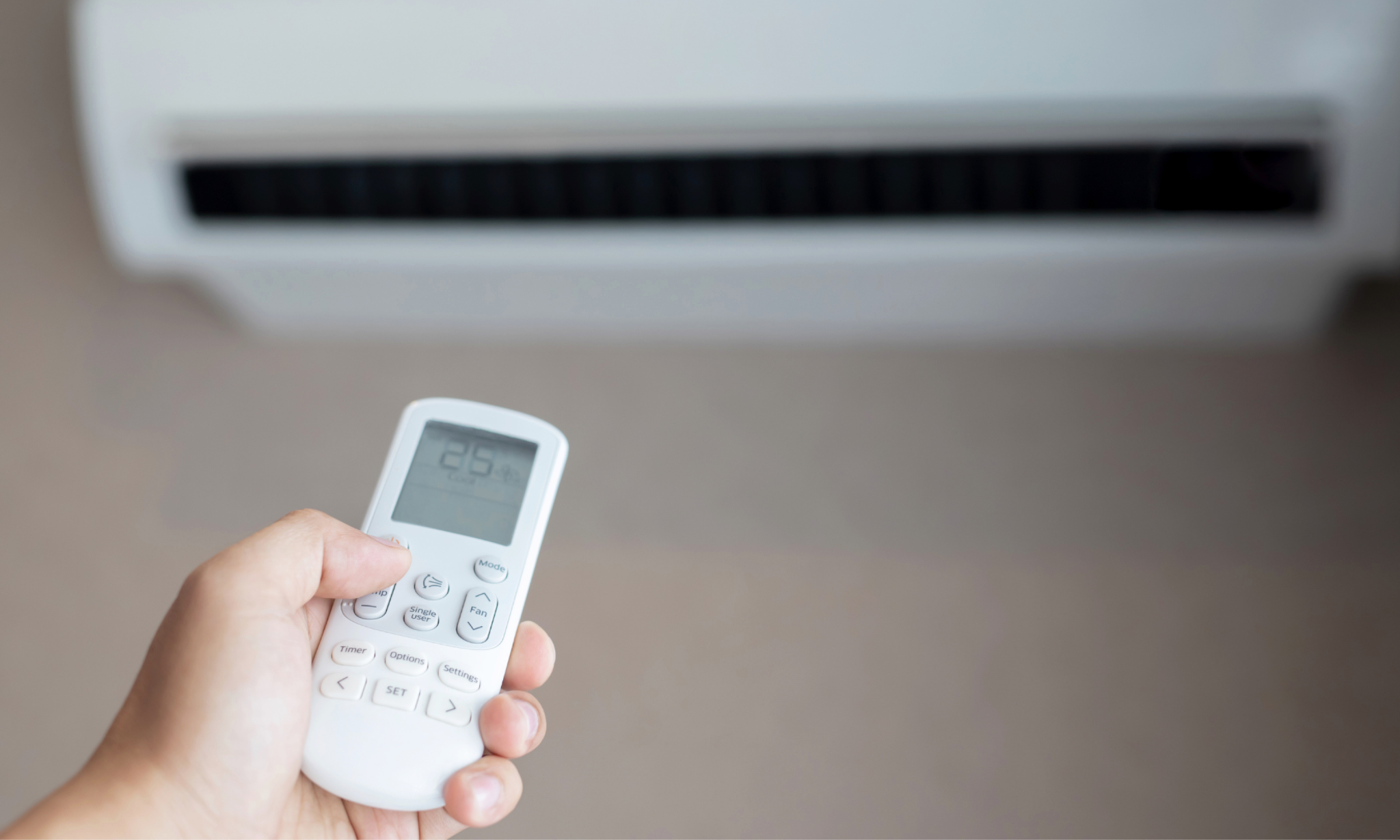
What Does a Frozen AC Coil Mean?
The refrigerant flows through the coil at extremely low temperatures, whereas hot air is forced onto the coil, from which heat is removed, while cool air is forced into the house. The whole procedure requires constant air flow and proper pressure of refrigerant within the coil.
Once the ice forms, it can no longer absorb heat, meaning that your air conditioning unit will operate non-stop without cooling your home.
Common Causes of a Frozen AC Coil
There are numerous reasons that can lead to an AC frozen coil. The most commonly encountered ones are:
- Restricted airflow is caused primarily by dirty air filters.
- Refrigerant depletion - In the event of a leak of the refrigerant, the pressure in the coil gets reduced, resulting in the formation of ice.
- Dirty evaporator coils - The dust accumulation on the coils serves as insulation, resulting in poor heat transfer.
- Closed or blocked supply vents - this reduces the system's movement of air, which has a similar effect to using a dirty filter.
- Failed blower fan - if the fan doesn't have sufficient airflow through the coil, then the coil quickly freezes.
- Running the AC in colder weather - the coil can ice over, as it simply was not intended to run during cold weather.
The last thing anyone wants to see during the summer is an air conditioning system that's frozen.
Why You Should Never Ignore a Frozen AC Unit
It can cost up to $600 to repair an AC unit if you do not act promptly. While a frozen coil can be an inconvenience, the entire system is at risk. The following are a couple of problems that can occur:
- Compressor damage - In case there is a freeze-up in the evaporator, the refrigerant will return to the compressor in its liquid state, leading to compressor failure.
- Flooding - As the ice thaws, the water could spill into the drain pan, thus causing flooding in the ceiling, walls, and flooring of your home.
- Total shutdown - when an air conditioning system stops working and does not cool anymore.
- Higher energy expenses - An air conditioning system that stops operating consumes more energy than it produces.
How to Fix a Frozen AC Coil
If you find your coil is frozen or discover the refrigerant is low with AC symptoms, follow these steps:
- Shut off the air conditioner - reduce the air conditioner to "fan only" or off.
- Let it thaw - it may take anywhere from one to several hours.
- Inspect and replace the air filter
- Remove water and dry the area
- Restart carefully

How HVAC Technicians Diagnose Frozen AC Coils
When a professional comes to the site to examine a unit that is experiencing an AC coil freezing, they do not just thaw the unit. A certified technician will:
- Search for any pressure readings of the refrigerant.
- Determine the volume of air flow through the evaporator coil.
- Check for proper performance of the fans and blower motors.
- Look for any dirt, corrosion, or damage to the evaporator coil.
- Check for any condensate drain line clogs that might lead to overflow.
- Look for any problems with the thermostat.
With companies such as IRBIS, it is easy to obtain the aforementioned diagnosis process, which is essential in preventing the problem from occurring again.
Preventive Maintenance Tips to Avoid Frozen AC Coils
Fortunately, some steps can be taken to prevent most frozen coils in the event of regular maintenance:
- Filters must be replaced every 1-3 months.
- Always schedule an annual service for your air conditioning system.
- Do not run the AC system when outdoor temperatures drop below 60°.
DIY Fixes vs. Professional Repairs
There are several reasons for a frozen coil, and homeowners can easily fix some of these.
Other causes do require the help of professionals, though:
- Leaking refrigerants can only be repaired by a certified HVAC technician.
- Evaporator coils that have become dirty should undergo a proper
cleaning service lest they damage the delicate fins.
- Some issues concerning blowers or fans are, in fact, safety risks.
Conclusion
Your AC system will let you know of some air flow, refrigerant, or mechanical operation issue through an AC coil freezing. Sometimes replacing the dirty filter is all the person needs to do - sometimes it can be an indication of a bigger issue that, if not corrected, will lead to reduced lifespan of the entire system. The best idea is always to thaw first, investigate further, and call a professional if the problem persists.