Choosing Custom Wood Furniture: What Matters Beyond Appearance
*This post may contain affiliate links and I'll earn a commission if you shop through them. You can read my full disclosure here.
When people start looking for custom wood furniture, whether it's a dining table, storage unit, or even modern epoxy computer desks, the first thing they usually focus on is how it looks. Color, grain pattern, shape, and style tend to dominate the decision-making process. While appearance is important, it is only one part of what makes a custom piece truly valuable. Furniture that looks great on day one but performs poorly over time often leads to disappointment.
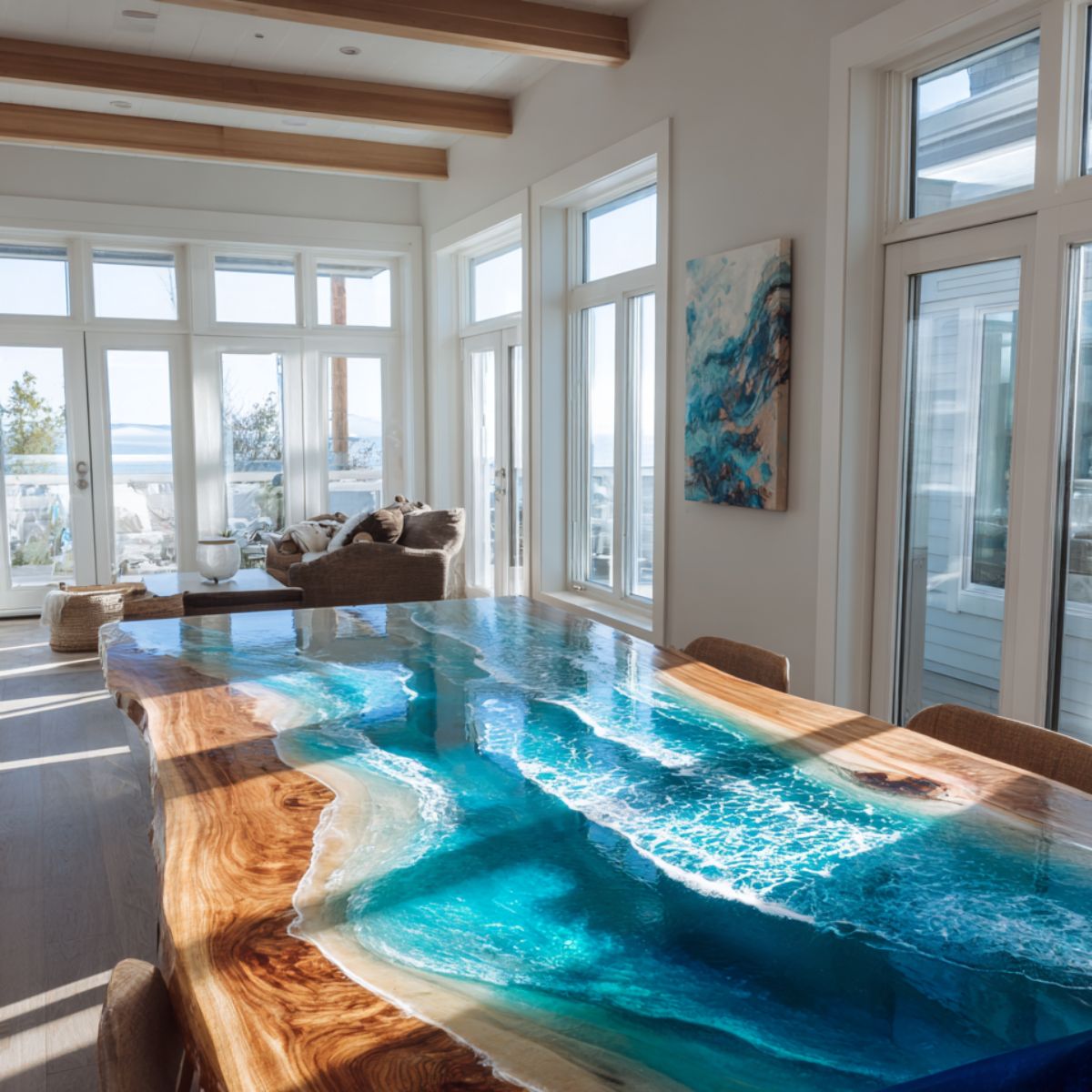
Custom wood furniture is an investment in daily comfort, long-term durability, and how a space functions as a whole. Understanding what lies beyond surface aesthetics helps homeowners choose pieces that remain reliable and satisfying for years, not just visually appealing at first glance.
In recent years, demand for custom-made solutions has grown as people spend more time working and living at home. These pieces have become popular not only because of their striking appearance, but also because buyers are paying closer attention to structure, materials, and functionality. This shift reflects a broader understanding that quality furniture must perform well, not just look impressive.
Material Quality Comes First
The type and quality of wood used in custom furniture play a major role in its lifespan. Solid hardwoods such as walnut, oak, maple, and ash offer different strengths, densities, and aging characteristics. Choosing the right wood depends on how the furniture will be used.
A table meant for daily use needs wood that resists dents and wear. A decorative cabinet may prioritize grain pattern and color over hardness. Inferior materials, even when finished beautifully, are more likely to warp, crack, or degrade under regular use.
It is also important to understand whether the furniture is made from solid wood throughout or includes engineered components. High-quality engineered elements can be appropriate in some designs, but transparency about materials is essential when evaluating craftsmanship.
Construction and Joinery Matter More Than Style
Well-built furniture relies on strong construction methods, not just attractive design. Joinery techniques such as mortise-and-tenon, dovetail joints, and reinforced dowels provide stability that screws or basic fasteners cannot match.
Poor joinery often reveals itself over time through loose joints, wobbling surfaces, or creaking sounds. Custom furniture should feel solid from the start and maintain that stability even after years of use.
Examining how a piece is assembled gives better insight into quality than surface finishes alone. Hidden structure often determines whether furniture lasts decades or needs repair after a few years.
Function Should Guide Design Choices
Custom furniture should be designed around how it will be used, not just where it will be placed. A visually stunning piece that does not fit daily routines quickly becomes frustrating.
Questions worth asking include:
- Will the furniture support the weight it needs to handle?
- Is the height comfortable for regular use?
- Does the surface allow easy maintenance?
- Will the design adapt to changing needs?
For example, a desk should support long working hours without strain, while a dining table should accommodate seating comfortably without crowding the room. Functional design ensures that custom furniture enhances everyday life rather than complicating it.
Finish and Surface Protection Are Critical
The finish applied to wood furniture affects both appearance and durability. Some finishes highlight natural grain but require more maintenance, while others offer stronger protection against moisture, heat, and scratches.
Oil finishes provide a warm, natural feel but may need periodic reapplication. Protective coatings like polyurethane offer stronger resistance to spills and wear, making them suitable for high-traffic furniture.
The right finish depends on lifestyle. Homes with children,
Consistency and Craftsmanship Detail
Quality custom furniture shows consistency in details. Even grain alignment, smooth transitions, and symmetrical proportions reflect careful craftsmanship.
Small details matter:
- Are edges smooth and comfortable to touch?
- Do drawers open and close evenly?
- Is the surface level across the entire piece?
These elements often go unnoticed initially but greatly influence long-term satisfaction. Attention to detail indicates the maker's commitment to quality rather than speed.
Adaptability Over Time
Another factor beyond appearance is how furniture adapts to changes. A well-designed custom piece should remain useful even if room layouts or purposes evolve.
Neutral proportions, timeless materials, and versatile designs age better than trend-driven styles. Custom furniture that balances individuality with practicality remains relevant even as interior tastes shift.
Understanding Maintenance Requirements
Every material requires some level of care. Buyers should understand what maintenance a piece will need before committing.
Custom furniture is not always maintenance-free, but good craftsmanship minimizes upkeep. Knowing how to clean, protect, and occasionally refinish surfaces ensures that furniture retains its appearance and strength.
Clear guidance from the maker about care requirements is a strong indicator of professionalism and transparency.
Value Beyond the Price Tag
Custom furniture often costs more upfront than mass-produced alternatives. However, value should be measured over time rather than at the moment of purchase.
A piece that lasts decades, maintains structural integrity, and continues to suit your lifestyle offers far greater value than furniture that needs replacement after a few years. Beyond cost, custom furniture contributes to comfort, organization, and how a home feels day to day.
Making the Right Choice for Shared Spaces
Choosing furniture for shared areas requires extra consideration. Dining spaces, in particular, demand durability, comfort, and proportions that support social interaction.
When selecting a table for a dining room, appearance should complement the space, but strength, surface protection, and seating comfort matter just as much. A dining table is not only a visual centerpiece but also a functional hub for everyday life and special occasions.
Custom wood furniture reaches its full potential when design, materials, and craftsmanship work together. Looking beyond appearance allows buyers to choose pieces that feel solid, function well, and remain meaningful parts of the home long after trends change.