6 Garden Fence Ideas That Keep Critters Out (And Your Plants Thriving)
You walk outside with your morning coffee, ready to check on those tomatoes that were almost ripe yesterday. Instead, you find half-eaten stems and scattered leaves. Sound familiar? If you're searching for garden fence ideas that actually work, you're not alone.
Wildlife damage is a universal frustration for homeowners across the country. Whether you're in New Jersey, Pennsylvania, or the Pacific Northwest, rabbits, deer, and raccoons treat backyard gardens like an all-you-can-eat buffet.
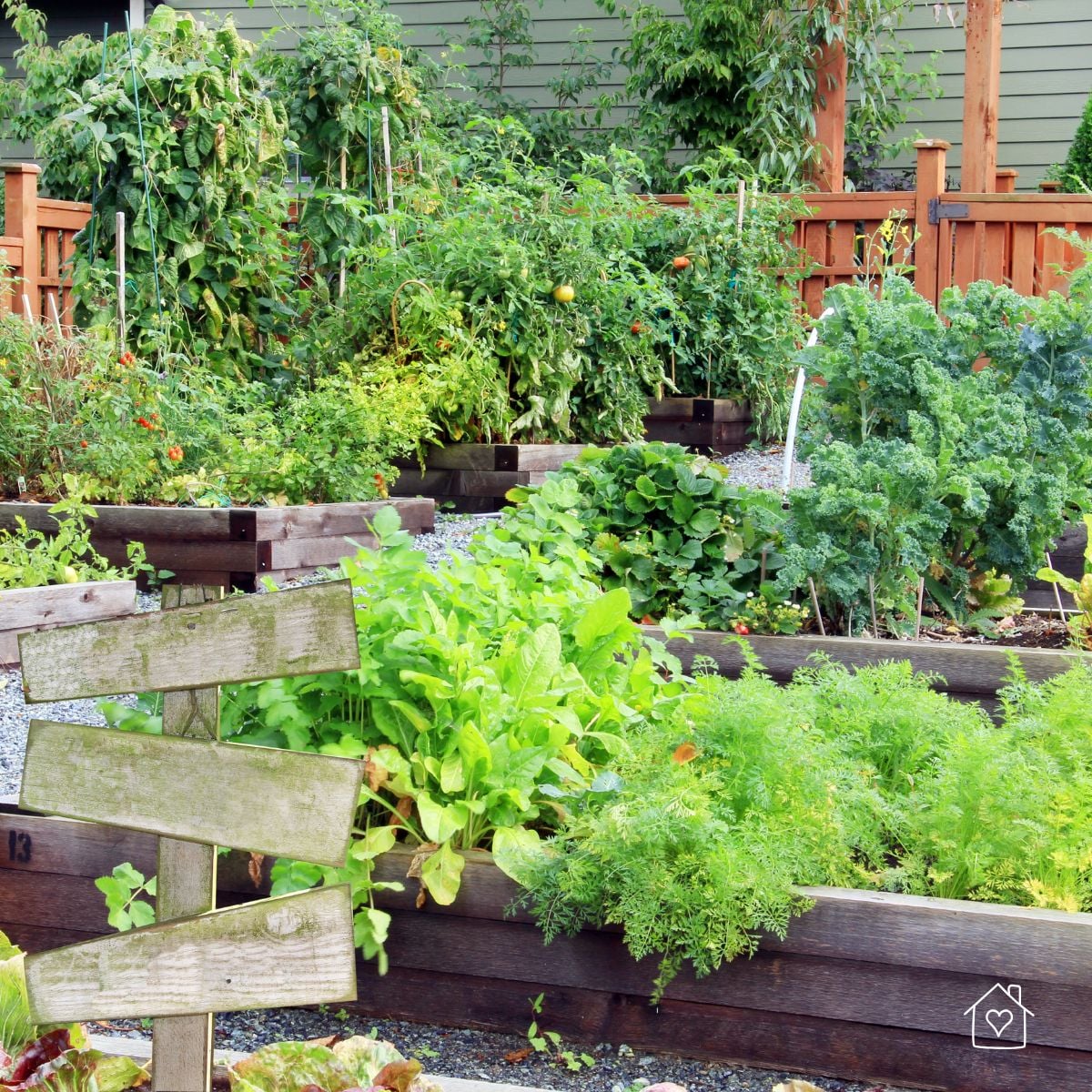
Here's a number that might surprise you: deer alone cause up to $1.5 billion in annual damage to agricultural crops and home gardens across the U.S., according to the National Deer Association. University Extension services estimate that rabbits and groundhogs can destroy 20-30% of vegetable yields in suburban areas.
The good news? You don't need a complicated setup or an engineering degree to protect your plants. These six garden fence ideas are practical, proven, and can be tackled as a DIY project or with help from a local contractor.
Each solution has honest pros and cons, along with rough cost tiers so you can match the right approach to your budget and situation. Let's walk through what actually works.
*This post may contain affiliate links and I'll earn a commission if you shop through them. You can read my full disclosure here.
Why Traditional Garden Fences Often Fail

Professional residential fence installers like Cool Cat Fence often see homeowners make the same mistakes when trying to protect their gardens and outdoor spaces. The most common error is building a fence that looks nice but doesn't account for how animals actually behave.
A decorative wooden fence with widely spaced rails might complement your house beautifully. But rabbits will squeeze right through those gaps, and deer will hop over anything under six feet without a second thought.
Here are the failures that send gardeners back to square one:
- Too short: Fences under 3 feet let rabbits hop over easily. Deer can clear 6-8 feet.
- Gaps at the bottom: Any opening larger than 1 inch allows voles, mice, and young rabbits to slip through.
- No buried section: Without wire extending underground, groundhogs and burrowers simply dig their way in.
- Flimsy materials: Thin plastic mesh deteriorates quickly in sun and rain, especially in wet climates.
- Poor gate design: A well-built fence with a 4-inch gap under the gate defeats the entire purpose.

Renters and homeowners sometimes compromise on height or materials hoping to save money. But replacing chewed vegetables every season costs more in the long run.
The six garden fence ideas below fix these weak points. Each can be scaled to different property sizes and budgets.
1. The Classic Chicken Wire Solution (That Actually Works)
Chicken wire remains one of the simplest, most time-tested garden fence ideas for vegetable beds. This hexagonal mesh has been protecting gardens since the 1840s when British farmer Charles Barnard invented it for poultry enclosures.
For a functional barrier, you need at least 3 feet of height. Four feet is better if rabbits are your main problem, and it keeps neighborhood dogs from jumping in too.
The key installation tip that many DIYers skip: bury at least 6 inches of wire below ground level. Alternatively, bend the bottom outward in an L-shape along the soil surface to create an anti-dig barrier. This simple step blocks groundhogs and other burrowing pests.
A typical setup uses wood or metal T-posts spaced every 8-10 feet around the garden perimeter. Secure the chicken wire with staples or zip ties, and add a simple hinged gate for access.
What it's best against: Rabbits, groundhogs, neighborhood
Cost level: Low. Rolls of chicken wire run about $0.50-$1 per linear foot, making a 100-foot garden doable for under $100 in materials.
2. Electric Fence for Persistent Pests
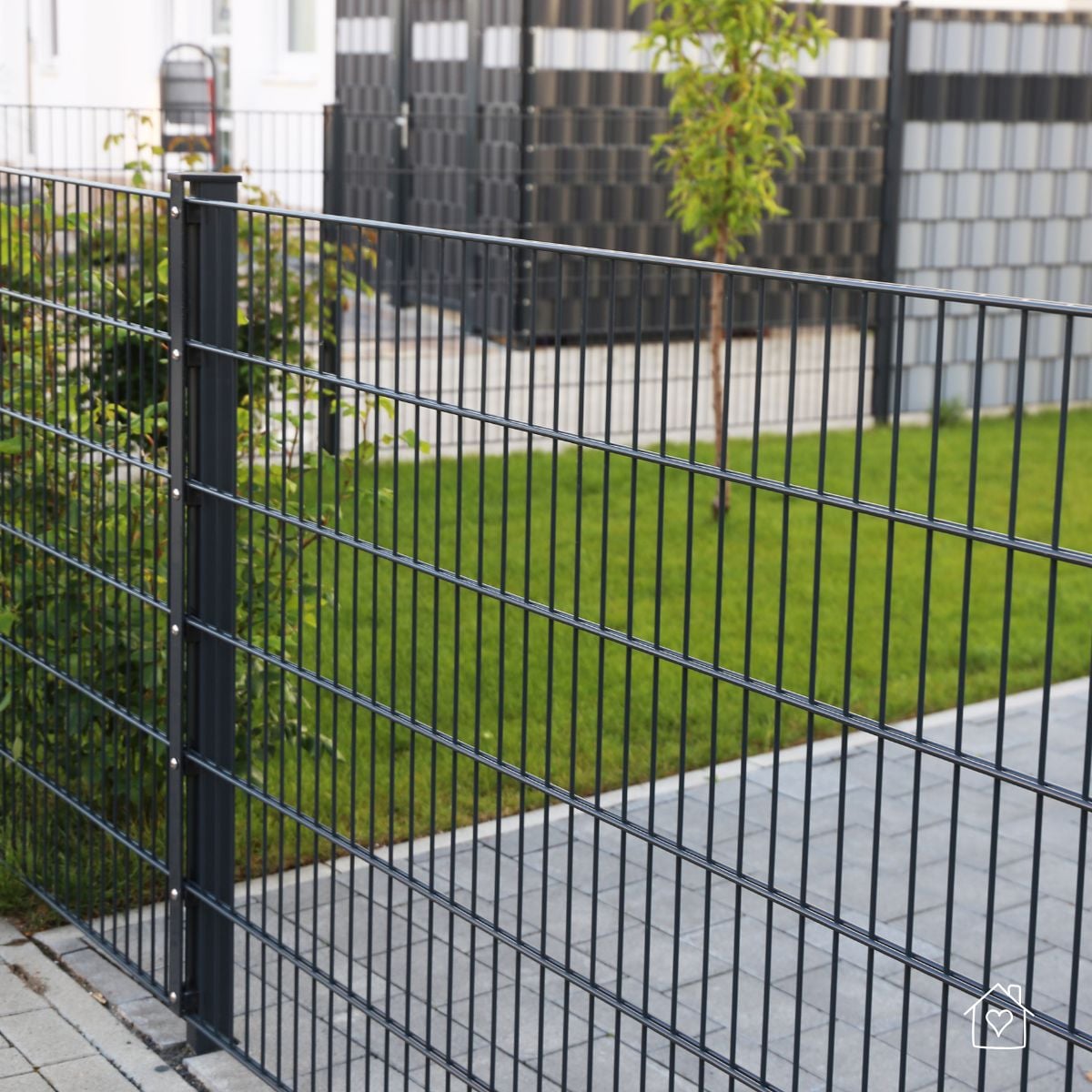
When standard barriers fail against deer, raccoons, or clever neighborhood animals, low-voltage electric fencing offers a step up in protection.
Modern garden electric fences use short pulses and low voltage, typically under 10,000 volts at 0.5-1 joule output. When installed according to manufacturer directions, they're generally safe around kids and
A typical setup includes 3-5 strands of wire or poly tape around the garden at different heights. The strands connect to a charger and proper grounding rods. Solar-powered chargers have grown popular, with a 30% market increase since 2020. They're ideal for eco-conscious homeowners who don't want to run new wiring to their outdoor space.
Research from Cornell Cooperative Extension shows 85-95% effectiveness against deer after just one encounter with the fence. Deer learn quickly and avoid the area.
Important considerations:
- Check local regulations and HOA rules before installation
- Combine with visual deterrents like flags or reflective tape for best results
- Look for signage requirements in your area
Cost level: Mid-range. More expensive than chicken wire but durable and expandable over time.
3. Raised Bed Barriers with Hardware Cloth
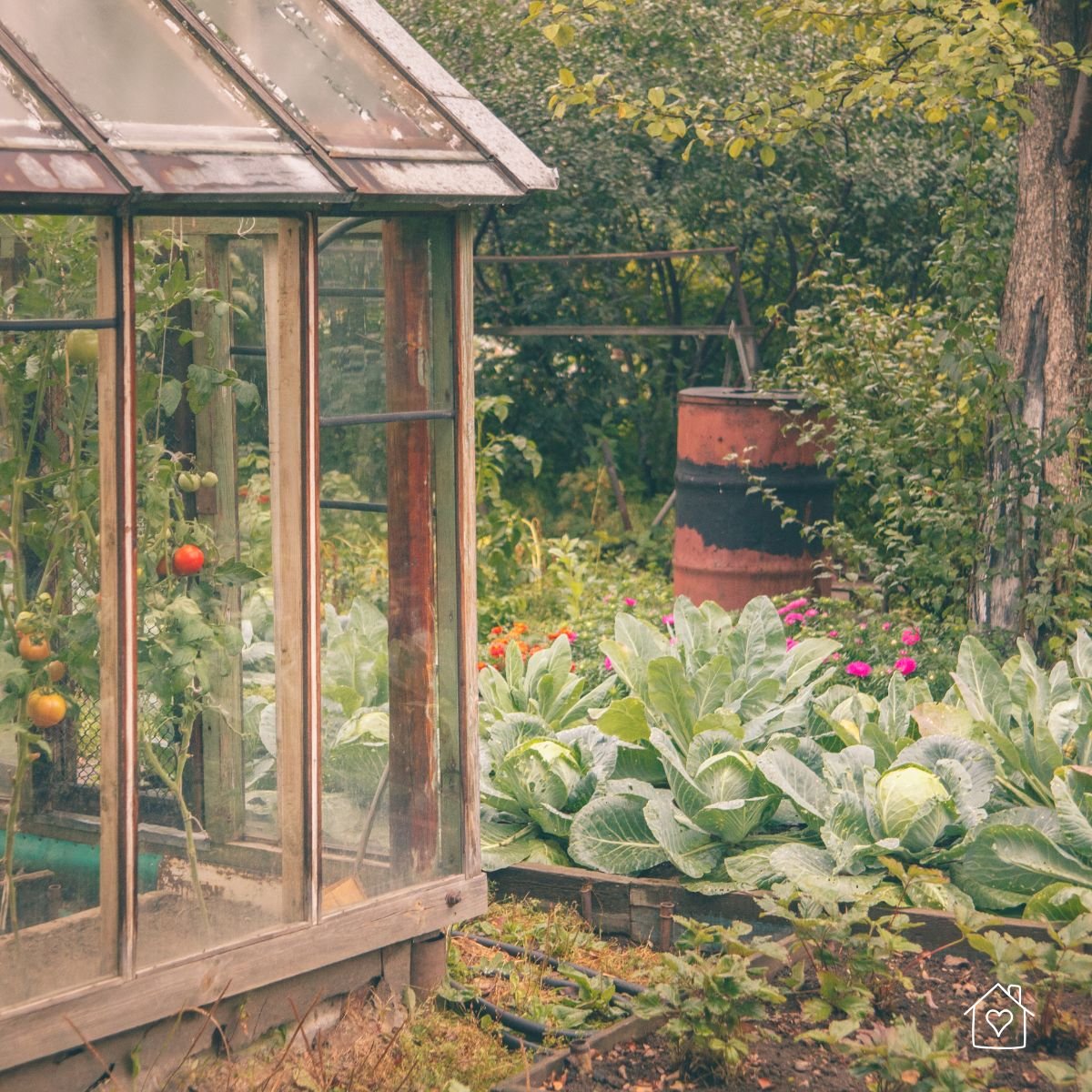
If you garden in a few raised beds rather than a large in-ground plot, this approach creates a fortress around your most valuable plants.
Hardware cloth differs from chicken wire in a critical way. It has a rigid, welded square mesh with openings as small as ¼ inch or ½ inch. Even tiny voles and mice can't squeeze through. The wire gauge is heavier too, making it nearly impossible for rodents to chew.
The fortress bed design works like this:
- Staple hardware cloth to the bottom of your wooden raised bed before filling with soil
- This blocks tunneling pests from below
- Add vertical panels or hinged frames around the sides for above-ground protection
For aesthetics, build simple wood frames from cedar or pressure-treated lumber, then wrap them in hardware cloth. These can slide over the bed or hinge open for access. The look stays neat and intentional rather than makeshift.
University of California IPM reports show this method prevents 98% of subterranean damage from gophers, voles, and moles.
Best for: Smaller gardens, high-value plants, and areas with serious burrowing pest problems.
Project difficulty: A doable weekend project for moderately handy homeowners. Higher initial effort but very low maintenance afterward.
4. The Double-Fence Strategy for Deer
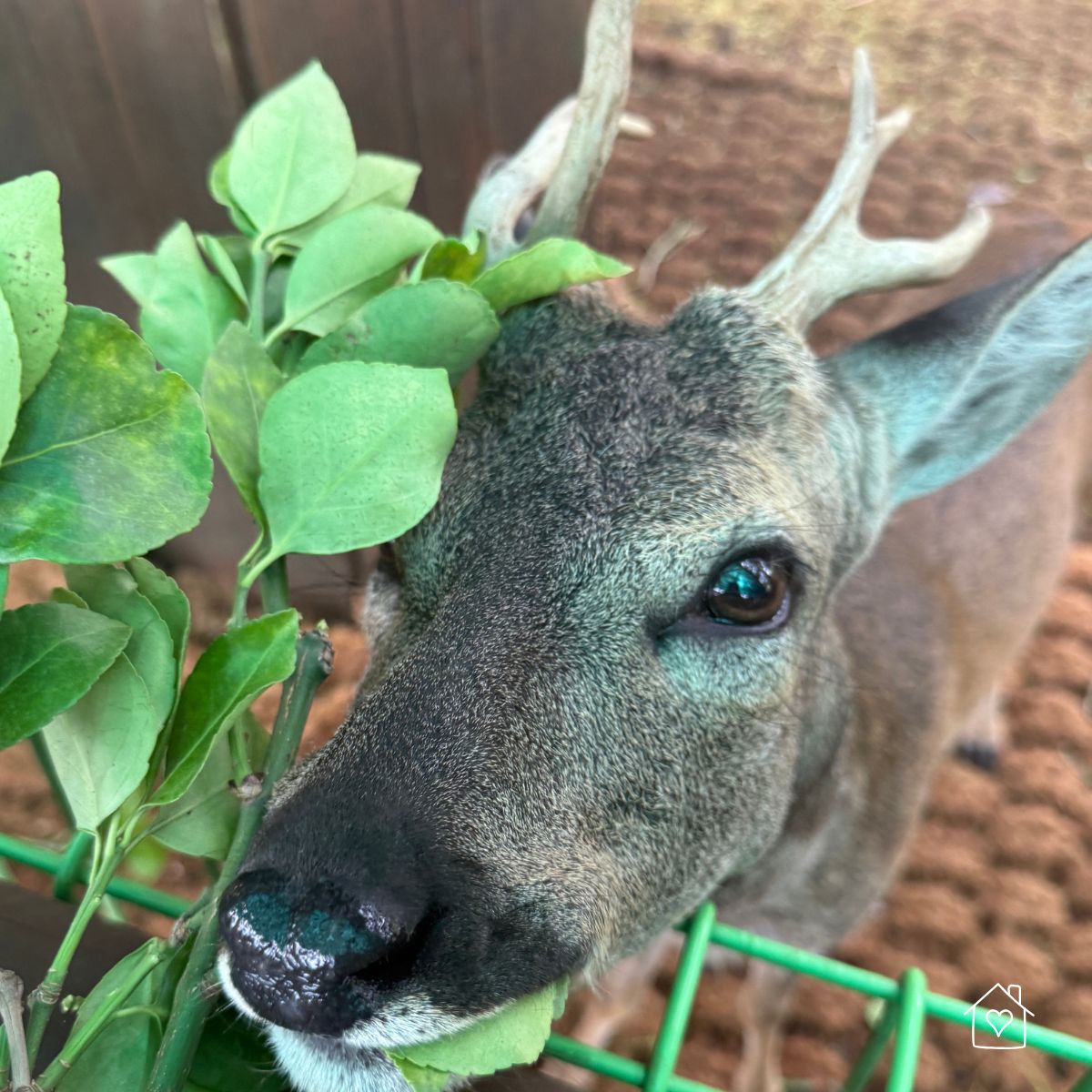
Deer present a unique challenge. They can jump 7-8 feet high and cover impressive horizontal distances. But here's what most people don't know: deer are reluctant to leap into tight, confined spaces where the landing is uncertain.
The double-fence strategy exploits this behavior. Instead of one tall fence, you build two shorter fences about 4-5 feet tall each, spaced roughly 3-4 feet apart around the garden perimeter.
The inner and outer fences can use different materials. The outer barrier might be sturdy wire mesh while the inner uses simple rope fencing or lighter materials. What matters is creating a visible gap that confuses deer depth perception.
Field trials from Rutgers University found this approach 92% effective compared to 70% for single fences at similar heights.
For smaller yards: A single fence in the 7-8 foot range works as an alternative but requires deeper posts and may feel more visually imposing.
Best for: Rural or suburban properties where deer are daily visitors and hostas, vegetables, or flowers get stripped repeatedly.
This strategy is often more cost-effective than building one very tall privacy fence, and it creates less of a privacy wall effect in your landscape.
5. Natural Barriers: Living Fence Solutions
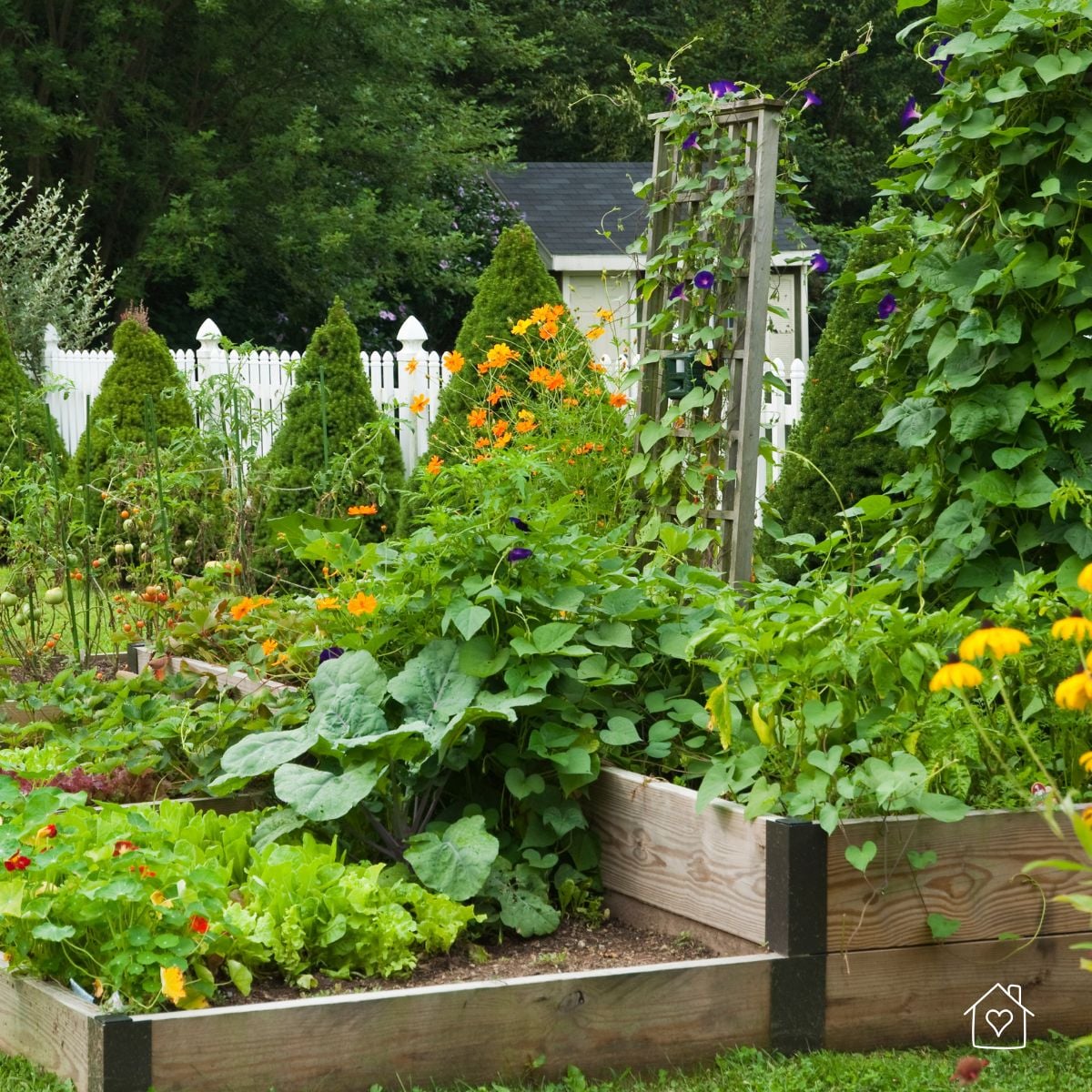
Living fences offer a gradual, nature-friendly option that combines pest deterrence with beauty and privacy. They take longer to establish but provide benefits no wire barrier can match.
The best plants for living fences include thorny or dense varieties:
- Barberry: Dense growth with sharp spines, 4-6 feet tall
- Hawthorn: Traditional hedging with thorny branches
- Holly: Deer-resistant foliage with prickly leaves
- Rose hedges: Both beautiful and painful to push through
For wetter, cooler climates like the Pacific Northwest, consider Oregon grape or salal. Both are native species that thrive in moist conditions and form dense barriers once established.
Expect 1-2 full growing seasons before your living fence forms a barrier tall and thick enough to bother deer or rabbits. During that time, pair the hedge with temporary chicken wire or another simple fence for protection.
Benefits beyond pest control:
- Improved privacy from neighbors
- Habitat for birds and beneficial wildlife
- Four-season interest with evergreens or berry-producing varieties
Maintenance reality: Annual pruning keeps pathways clear and prevents the hedge from shading your garden beds too heavily. Plan for this ongoing work.
6. The "Scarecrow Fence": Motion-Activated Deterrents

Modern technology has replaced the old straw scarecrow. Motion-activated deterrents work especially well where a full physical fence isn't practical, allowed by your HOA, or within budget.
Motion-activated sprinklers detect movement and blast a quick jet of water, startling deer, raccoons, and neighborhood cats. Most models cover 30-120 feet with 120-degree sensors.
Other devices in this category include:
- Solar-powered lights with motion sensors for nocturnal pests
- Sound-based deterrents that trigger only when movement is detected
- Combination units with water, sound, and light features
These can be mounted on stakes or just inside an existing low fence, effectively turning a modest barrier into a scarecrow fence that actively guards the perimeter.
The adaptation challenge: Effectiveness is usually high at first, with manufacturer trials showing 70-90% initial success. However, animals can adapt over time. Research from Texas A&M shows that rotating positions weekly and varying devices maintains 75% effectiveness long-term.
Cost level: Low to mid-range depending on how many units you need and whether they're solar or plug-in. These work best as flexible add-ons rather than complete replacements for physical fencing.
Protecting Your Garden Starts with the Right Fence

The best garden fence ideas depend on your specific situation. What animals are causing damage? How large is your garden? What's your climate like, and what can you realistically invest?
Before choosing a solution, observe your yard for at least a week at different times of day. Look for tracks, droppings, and damage patterns. Deer droppings are 1-2 inches and pellet-shaped. Raccoon tracks show distinct finger-like toes. Rabbit damage appears as clean, angled cuts on stems close to the ground.
Combinations often work best. Chicken wire plus a buried hardware cloth skirt stops both surface and underground invaders. A modest fence paired with motion-activated sprinklers handles multiple pest types without requiring an 8-foot barrier.
Professional installers who specialize in residential fencing and outdoor structures can help ensure proper post spacing, height, and burial depth for long-term durability. A well-installed fence lasts years longer than one with shortcuts.
Here's the truth: a bit of planning and the right fence choice now can turn one frustrating season into years of healthy, thriving beds. You've spent time and money on seeds, soil, and care. Protecting that investment makes sense.
Pick one or two ideas from this list and start upgrading your garden fence this weekend. Your tomatoes will thank you.