Getting Your Tools in a Row: What People Get Wrong About Planning Home Renovations

The task of home upgrades often brings excitement and anticipation, but when it comes to the actual logistics of renovating a home, this is where many people can fall down. Poor planning and organization can turn that excitement into frustration. While most homeowners will focus on the materials and styles that will create that canvas, many people will often overlook the operational details that ensure a project runs smoothly.
*This post may contain affiliate links and I'll earn a commission if you shop through them. You can read my full disclosure here.
The real success of a renovation doesn't just hinge on the tasks themselves but on how those tasks are coordinated behind the scenes. Let's show you a number of things to bear in mind:
Not Organizing All of the Little Bits of Support
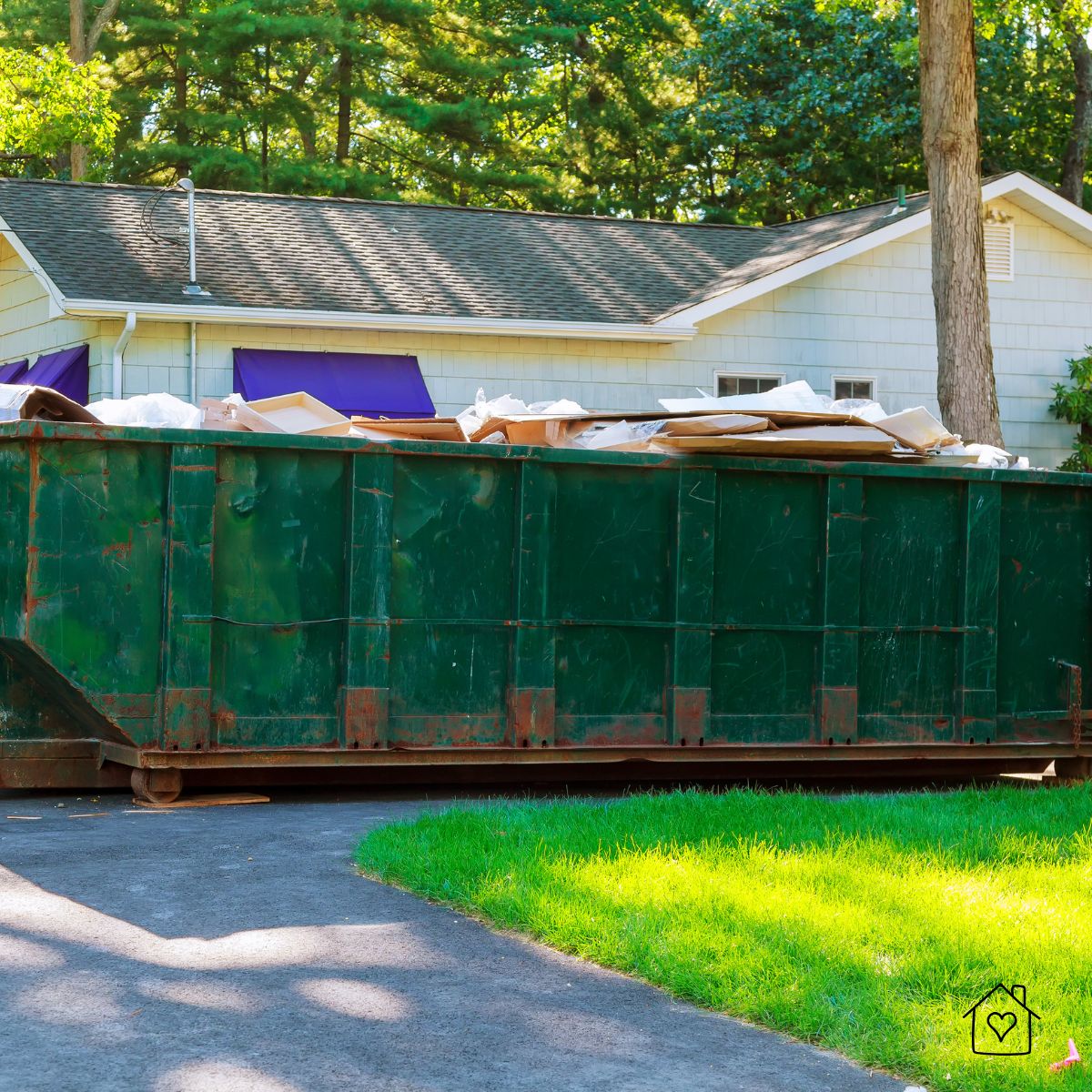
We can forget that while a contractor is necessary for one aspect of the work, sometimes they'll expect you to get certain things in place. A good example is a dumpster, and when it comes to dumpster rental, it is essential to remember that renovations produce far more debris than expected. If you rely on ad hoc removal or think that you can just deal with removal yourself, this is going to cause delay, stress, and a lot of mess! When you organize things like waste disposal upfront, you can provide contractors with a clear plan, because those little details, such as where they're placing materials and maintaining an efficient workspace, result in a huge difference in everybody's temperament.
Misjudging Timelines

Homeowners can often underestimate how long each phase of a renovation will actually take. This means unrealistic deadlines and can cause clashes with contractors, as well as delays in material delivery and a heap of stress. Accurate timeline planning requires factoring in the contractors' schedules, lead times, as well as the unknown, including weather disruptions and unexpected issues like structural repairs. It's not about timing it as tightly as a Swiss watch, but when you create a well-mapped schedule with buffer days built in, this aligns all of the parties and increases the odds of finishing on time.
Underestimating Supply Chains
Many people assume ordering materials is as simple as clicking "buy" and then waiting a few days, but in reality, supply chain delays can significantly impact home renovation. Custom items, imported goods, and large features such as flooring or kitchen units often require weeks or sometimes months for delivery! When you plan ahead, this ensures materials arrive exactly when they are needed, avoiding unnecessary downtime as well as storage problems.
Overlooking Contingency Plans

Even in a well-planned project, unexpected challenges will arise, such as weather delays, material shortages, or even changes in staff. A contingency plan will address the surprises with solutions that you have already decided upon, such as alternative suppliers, additional labor, or an adjusted budget. Without these things, minor issues can spiral out of control into major disruptions.
A successful home renovation will thrive as long as you are meticulous with your logistics, not just skilled with your tools. By mastering the organizational side, you can set your project up for a smoother and calmer renovation experience that is not just efficient but is infinitely rewarding. There's a lot that can certainly feel overwhelming, but it doesn't need to be like this. Instead of just getting your ducks in a row, ensure that your tools and your tactics are!