Commercial vs Residential Excavation: Cost and Process Differences
*This post may contain affiliate links and I'll earn a commission if you shop through them. You can read my full disclosure here.
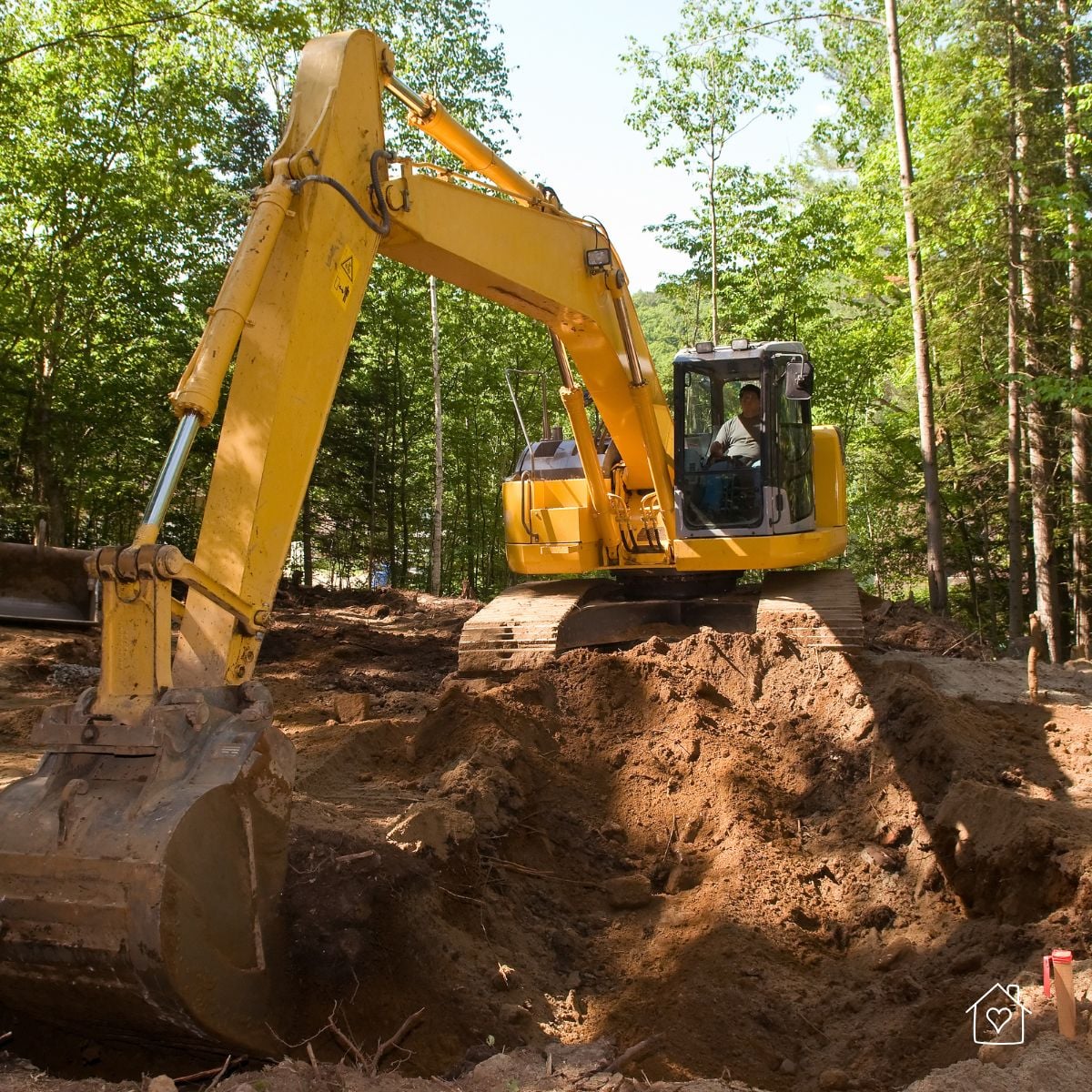
When you're planning any construction project, understanding the difference between residential and commercial digging operations can save you thousands of dollars and countless headaches. Whether you're a homeowner adding a basement or a developer breaking ground on a retail complex, knowing what sets these two types of excavation commercial projects apart will help you budget accurately and set realistic timelines.
The gap between these two approaches runs deeper than just project size.
Scale and Equipment Requirements
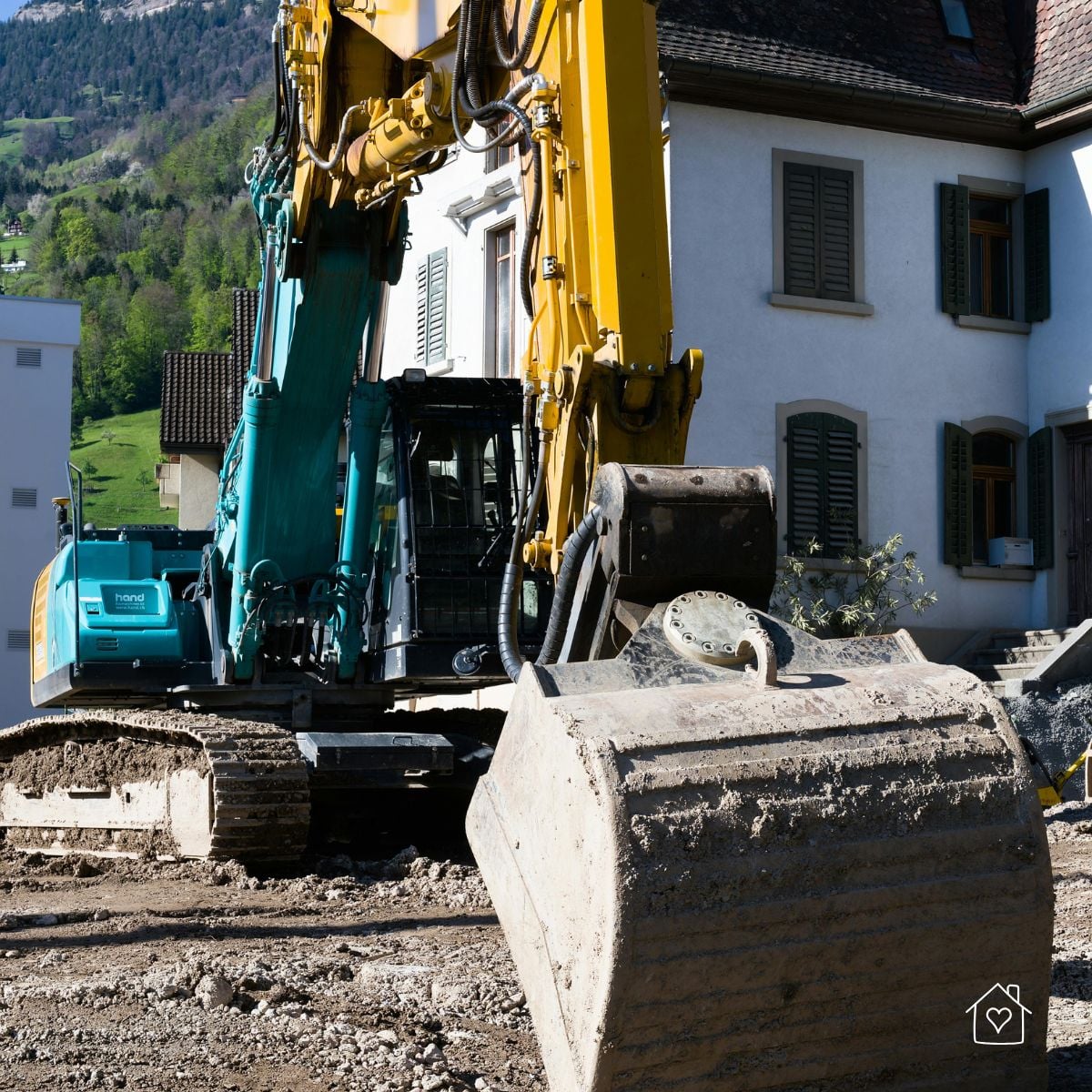
Residential earthwork typically involves smaller machinery and shorter timelines. A typical home foundation might require a standard backhoe and a small crew working for a few days. The equipment fits through standard gates, maneuvers in tight suburban spaces, and doesn't require specialized transport permits.
Commercial projects tell a different story entirely. Large-scale developments demand heavy machinery like excavators weighing 80,000 pounds or more, bulldozers, and dump trucks that can haul 20+ cubic yards of material per load. Moving this equipment requires permits, specialized transport, and careful coordination with local authorities, especially when handling machinery with complex diesel fuel systems that require proper setup and maintenance.
The machinery costs alone create a significant price gap:
- Residential backhoe rental: $200-400 per day
- Commercial excavator rental: $800-2,000+ per day
- Small skid steer for home projects: $150-300 per day
- Large bulldozer for commercial sites: $1,200-3,000+ per day
- Compact equipment easily transported: minimal logistics cost
- Heavy machinery requiring flatbed transport: $500-2,000+ per move
Permit and Regulatory Complexity

Getting approval for a home basement addition involves straightforward local permits. You'll typically deal with one or two inspectors, submit basic plans, and receive approval within weeks. The process feels manageable for most homeowners working with contractors.
Commercial earthwork sits under an entirely different regulatory umbrella. Projects must comply with environmental impact assessments, storm water management plans, and often state or federal oversight depending on the site's proximity to wetlands or protected areas. Multi-phase inspections throughout the dig process add layers of complexity that residential projects never encounter.
Cost Breakdown Differences
A typical residential dig for a standard foundation runs between $1,500 and $5,000 for most suburban homes. This covers basic excavation, grading, and backfill. Add another $2,000-4,000 if you're dealing with challenging soil conditions or need extensive grading work.
Commercial ventures operate on an entirely different financial scale. A moderate retail building might see earthwork costs ranging from $50,000 to $200,000. Large developments can easily push into seven figures. The pricing structure reflects not just the volume of dirt moved, but the complexity of coordinating multiple systems.
Here's what drives commercial costs higher:
- Utility coordination and relocation (often $20,000-100,000+)
- Environmental testing and monitoring throughout the project
- Traffic management plans for busy commercial areas
- Extended timeline requiring longer equipment rentals
- Specialized engineering reports and soil studies
- Multiple inspection phases with potential delays
Site Preparation and Planning

Homeowners can often walk their property with a contractor and finalize plans in a single afternoon. Residential sites rarely require extensive surveying beyond basic property line verification. The prep work focuses on protecting existing landscaping and ensuring access for equipment.
Commercial site preparation involves months of planning before a single bucket of dirt moves. Surveyors create detailed topographical maps, engineers analyze soil bearing capacity, and environmental consultants assess potential contamination or protected species habitats. This front-loaded planning phase can cost $50,000-500,000 depending on project complexity.
Timeline Expectations
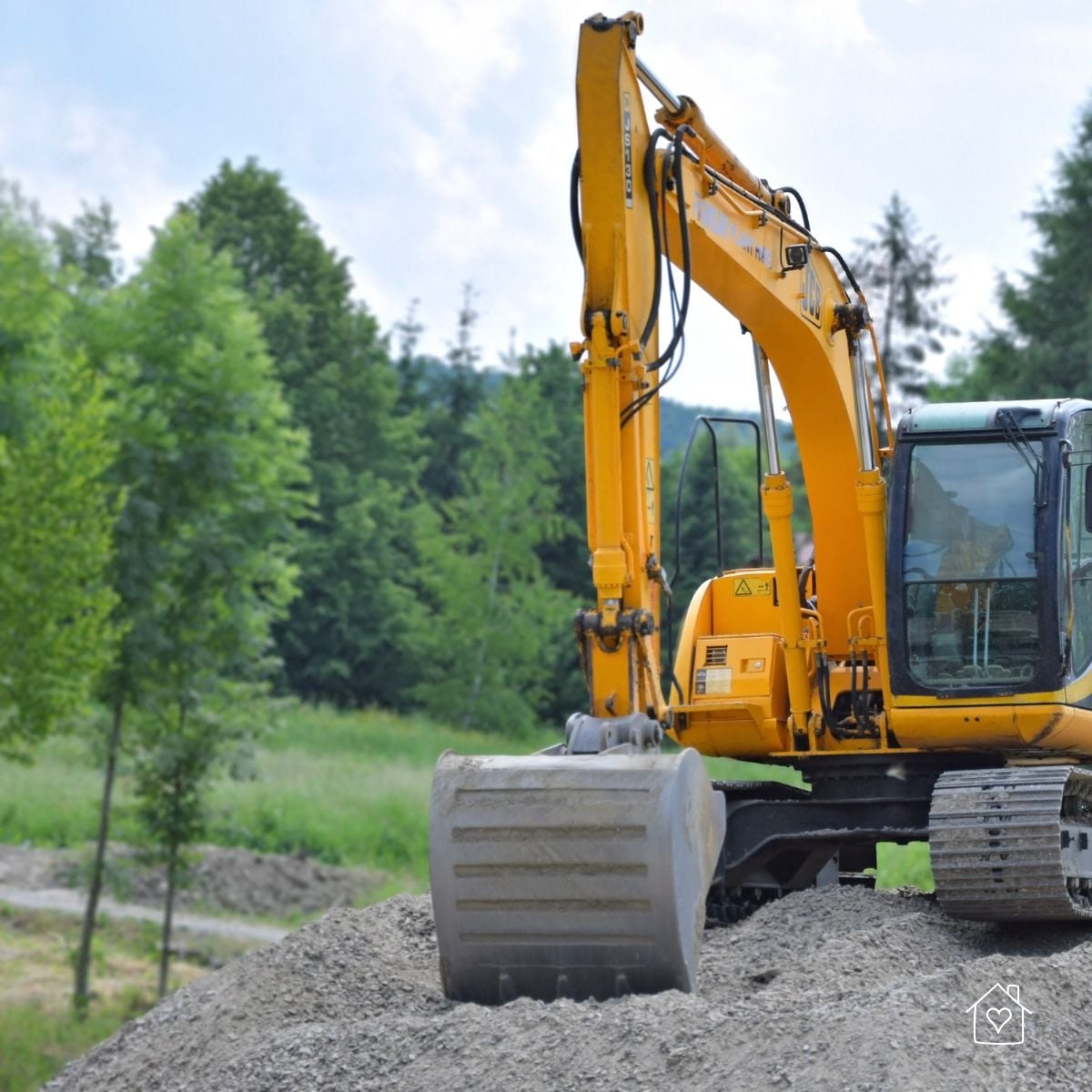
Most residential digging wraps up in 1-5 days for standard projects. A basement addition might take a week including backfill and initial grading. Weather delays can extend this, but homeowners typically see completion within their expected window.
Commercial timelines stretch across weeks or months. A small retail building might require 2-4 weeks of continuous earthwork. Large mixed-use developments can involve 3-6 months of excavation and grading across different construction phases. Winter weather or unexpected soil conditions can add months to these schedules.
Soil Management and Disposal
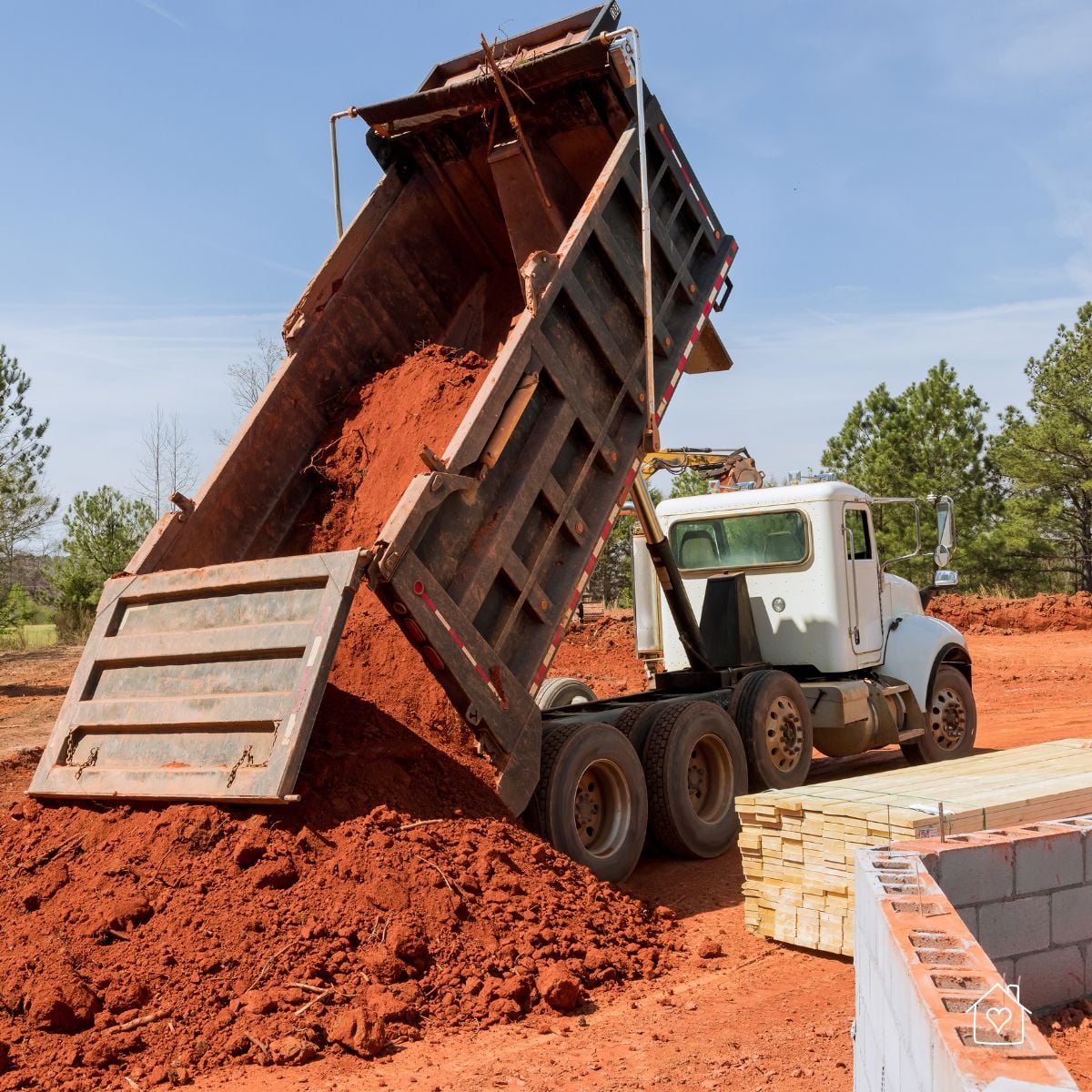
Dealing with excavated material differs dramatically between project types. Residential contractors often reuse soil on-site for grading and landscaping. Excess dirt might fill low spots in your yard or get hauled away in a few truckloads. The volume stays manageable and disposal costs remain reasonable at $50-200 per load.
Commercial operations generate massive soil volumes that require careful management:
- Thousands of cubic yards requiring documented disposal
- Contaminated soil testing and specialized handling if issues arise
- Specific disposal site requirements based on soil classification
- Environmental regulations governing where material can go
- Potential reuse in other phases of the development
- Tracking and documentation for regulatory compliance
- Grading plans requiring precise cut-and-fill calculations
Labor and Expertise Requirements
Your neighborhood contractor can handle most residential digging projects with a small crew of 2-4 workers. The work requires competence and experience, but doesn't demand highly specialized certifications beyond basic operator licenses.
Commercial projects require certified operators, licensed engineers, environmental specialists, and safety coordinators. A typical commercial site might employ 10-30 workers across different specialties. This expertise costs more-commercial operators earn $25-45 per hour compared to $18-30 for residential work.
Insurance and Liability Considerations
Homeowner projects carry standard contractor insurance covering basic property damage and worker injuries. Policies typically range from $500-2,000 annually for small residential contractors.
Commercial excavation demands comprehensive coverage including general liability, workers compensation, environmental liability, and often project-specific bonds. Annual insurance costs can reach $50,000-200,000 for established commercial contractors handling large projects. These expenses flow directly into project costs.
The Bottom Line
Understanding these differences helps you approach your project with realistic expectations. Residential earthwork offers simpler processes, shorter timelines, and manageable costs. Commercial ventures require substantial upfront investment in planning, regulatory compliance, and specialized expertise.
Both project types need experienced professionals who understand the specific challenges involved. The key is matching the right contractor expertise to your project's scope and accepting that commercial work simply operates at a different scale in every dimension-from equipment to timelines to final costs. Smart planning on the front end, regardless of project type, always pays dividends when the dirt starts moving.