An Inside Look at Radon Fans and How They Work
You've probably heard of carbon monoxide and smoke detectors, but there's another invisible threat that might be lurking in your home: radon. This naturally occurring gas can seep into your house from the ground, and long-term exposure poses a serious health risk. The good news is that you can effectively manage it.
So how do you protect your family from radon? The answer often involves a special device called a radon fan. We're giving you an inside look at radon fans and how they work, explaining what you need to know to keep your family safe. We'll cover everything from the science behind them to choosing the right one for your house.
*This post may contain affiliate links and I'll earn a commission if you shop through them. You can read my full disclosure here.
First, What Is Radon and Why Is It Dangerous?
Before we get into the solution, let's talk about the problem. Radon is an odorless, colorless, radioactive gas found in soil. It forms naturally from deteriorating uranium in soil, rock, and water. Because you can't see, smell, or taste it, the only way to know if you have high levels of radon is to test for it.
Radon gas can enter your home through cracks in the foundation, gaps in floors, and other small openings. Once inside, it can get trapped and accumulate. The EPA suggests that radon exposure is the second leading cause of lung cancer in the United States, right after smoking. This makes radon testing and mitigation essential for a healthy living environment.
What Exactly Is a Radon Fan?
Now, the solution! A radon fan is the heart of a radon mitigation system, also known as a soil depressurization system. It's not like a typical household fan designed to cool a room. Instead, it's a purpose-built ventilation fan designed to run continuously, 24/7, to pull radon gas from beneath your home and safely vent it outside.
The typical installation for these fans is in an attic, garage, or on the exterior of the house. They connect to a pipe system that extends down through the foundation into the soil or gravel layer underneath. By creating a
Suction and Ventilation
The radon fan connects to a PVC pipe that runs from the lowest level of your home (like a basement or crawl space) up to the roofline. The end of the pipe seals into a suction pit created below your foundation's concrete slab. When you turn the fan on, it continuously pulls air-and any radon gas mixed with it-from the soil beneath your house.
This gas-laden air travels up through the pipe and exhausts harmlessly above the roof, where it disperses into the atmosphere. Because the fan runs all the time, it constantly removes radon before it has the chance to seep into your home.
Creating a Pressure Differential
The most critical part of how a radon fan works is its ability to create a pressure differential. Radon naturally moves from areas of high pressure to areas of low pressure. Often, the air pressure inside a home is slightly lower than the pressure in the soil surrounding the foundation. This difference in pressure acts like a
A radon mitigation system reverses this process. The fan creates a low-pressure zone directly underneath your foundation. Now, the soil under your home has lower pressure than the air inside. As a result, the gas follows the path of least resistance and gets pulled into the mitigation pipes instead of seeping through your foundation. Your home essentially sits on a
Types of Radon Fans
It's worth noting that not all radon fans are the same. They come in different types and power levels, designed for different kinds of homes and radon levels.
Based on Installation Location
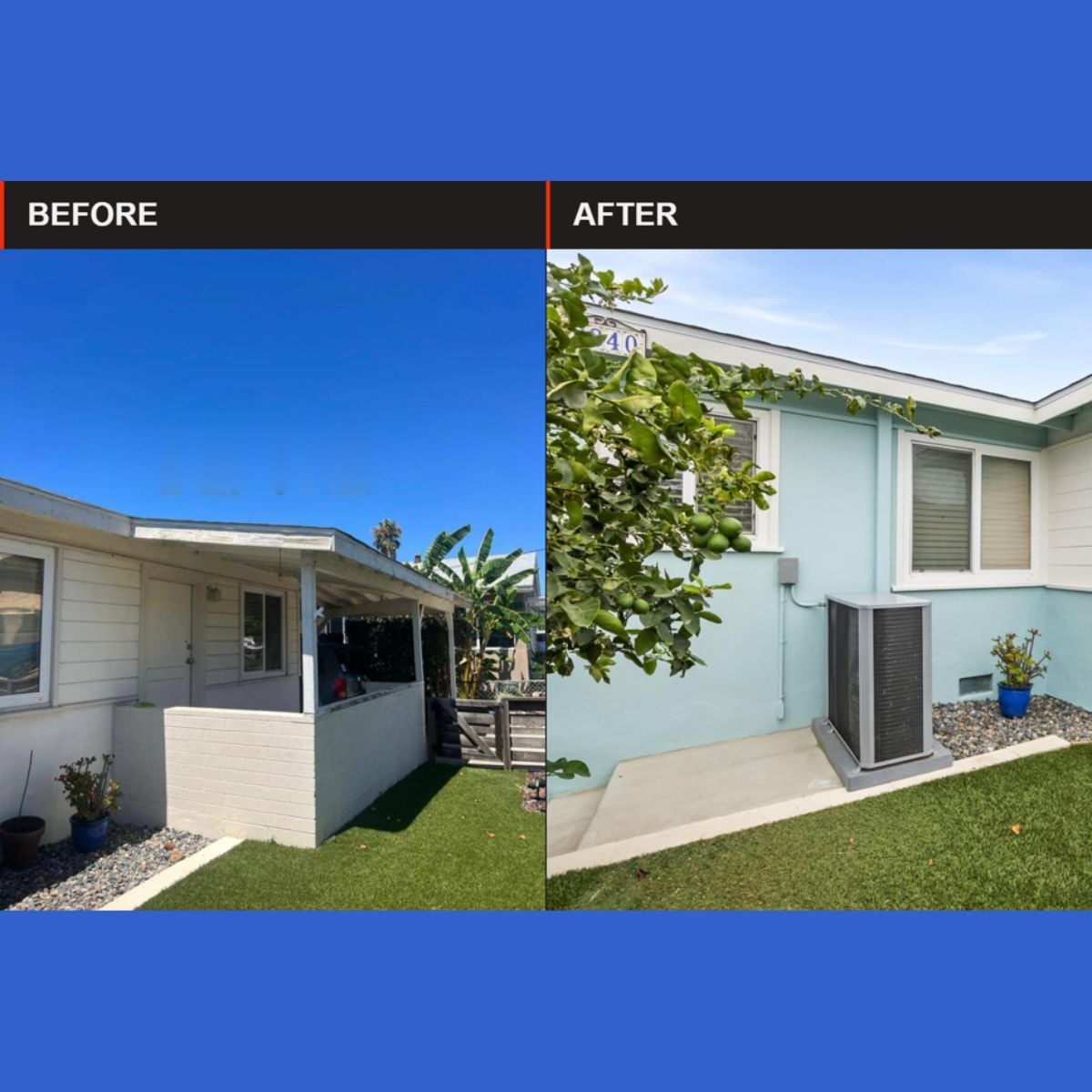
- External Fans: These are the most common type, mounting on the outside of the house. The PVC pipe runs up the exterior wall and vents above the roof. They are easy to access for maintenance and keep fan noises outside.
- Internal Fans: These are installed in an unconditioned space inside the home, like an attic. The piping works through closets or walls to be less visible. This is a good option if you want to maintain your home's exterior appearance.
Based on Power Level
Radon fans also vary in how much air they can move. The right fan for you depends on the present radon levels and the type of material under your foundation, such as loose gravel versus dense clay.
- High-Suction Fans: These are best for tight materials like clay or sand, where more power is necessary to pull air through.
- High-Flow Fans: These work well with porous materials like gravel, where a larger volume of air moves with less effort.
- Standard Fans: These are suitable for moderate radon levels and typical sub-slab conditions.
- Energy-Efficient Fans: Newer models use less electricity while providing effective mitigation. While they may cost more upfront, they save you money on your utility bills over time.
Choosing the Right Radon Fan
Selecting the right fan is a job for a professional. Several factors determine which fan will work best for your home, including the size of your foundation, the climate you live in, and your home's specific construction.
A certified radon mitigator will perform diagnostic tests to measure the pressure under the slab and select a fan that can create the necessary
Maintaining Your Radon System
A radon mitigation system requires very little maintenance after the installation. You should check the manometer periodically to make sure the fan is creating adequate suction. If the fluid levels are even, it means the fan is not operating, and you should call a professional. It's also a good idea to retest your home for radon every few years to confirm the system is still effective.
The first step toward protecting your family from this hidden danger is understanding how radon fans work and which type suits your home. These simple yet powerful devices offer a reliable and long-term solution for keeping radon levels low in your home. By working with a qualified professional, you can install a system that gives you peace of mind and ensures your home is a safe and healthy place to live.