How to Build Better Pet Care Habits Around Your Home
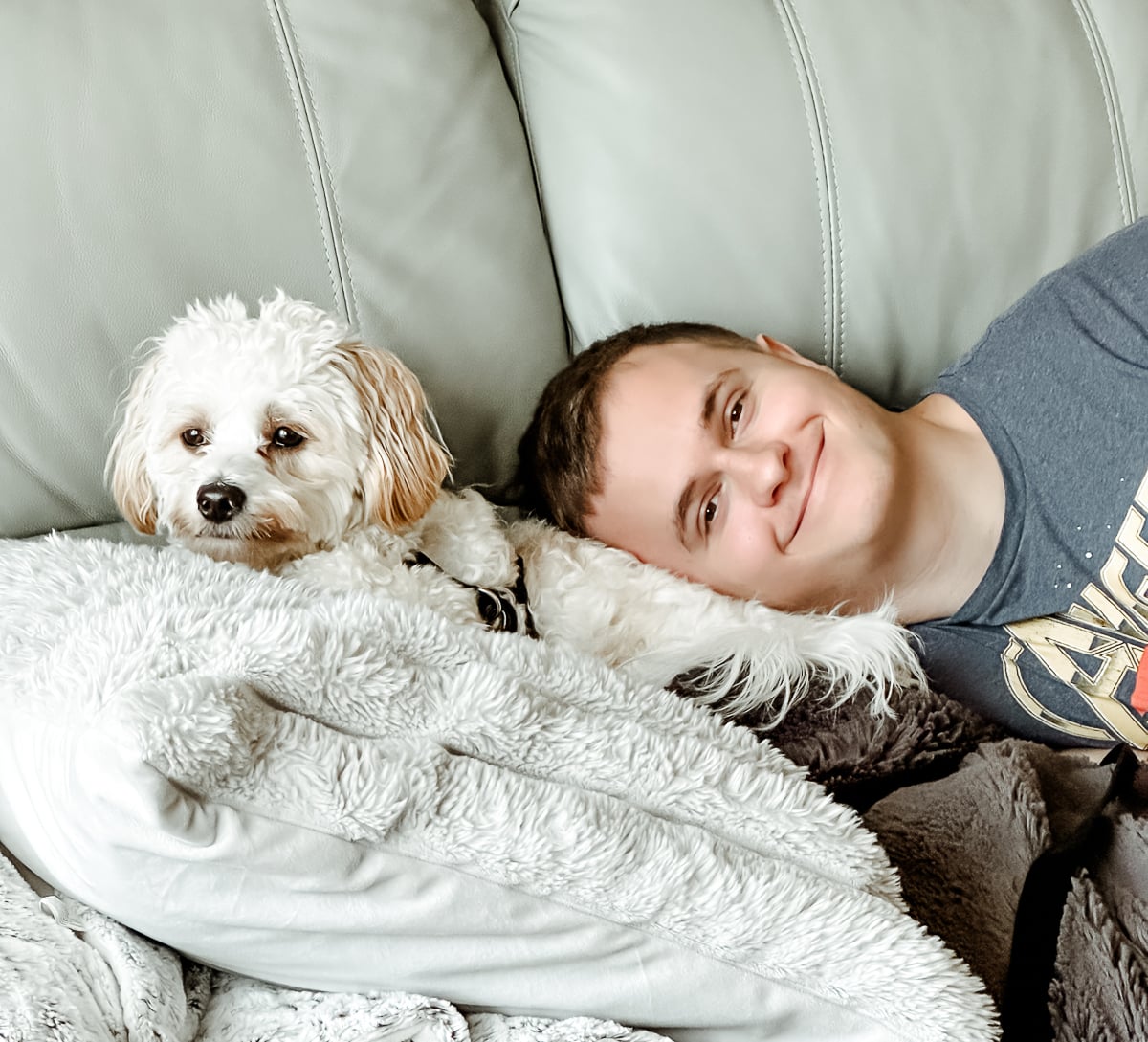
My grandpup is Hank, and he is so precious to me and my whole family. My husband, my sons, and I love our Hank days. That's what we call the days we get to have him the whole day long!
His mommy and daddy both work full time, and his daddy also goes to school full time, so on their busiest days Hank comes to our house instead of staying home alone. While he's here, we keep his routine as close as we can to what it would be at his own house. That means feeding him, walking him, and playing with him right on schedule....because routines are important for people and for the
Caring for a pet takes more than a full bowl and a lot of love. The way your household runs can make the daily jobs easier to keep up with while your pet still gets the attention they need. Feeding,
From time to time, articles on The How-To Home may reference third-party websites, businesses, products, services, or review platforms as part of editorial research. When evaluating companies or services, we may consider publicly available information such as customer reviews, business websites, service offerings, licensing information when available, and overall relevance to the topic.
Establish A Consistent Feeding Routine
Feeding on a regular schedule is good for your pet. Pick a feeding time that works with your pet's needs and with the way your house runs. Keep the food, bowls, and scoops together in one easy-to-reach spot so nobody has to hunt for them. Feeding in the same area every day also helps your pet learn that this is where mealtime happens. On Hank days, he eats on the same schedule he has at home. Choosing the best dog food for your pet makes daily feeding more organized, too, since you aren't relying on whatever happens to be on hand.
Keep the feeding station tidy and easy to manage, too. Wash the bowls often, wipe up spilled food right away, and store opened food according to the directions on the package. Dry food belongs in a container that keeps it dry and free of contaminants. Wet food and other perishables need even more attention once they've been opened. These simple habits keep the feeding area from smelling bad, looking messy, or turning into clutter.
Keep Pet Supplies Organized
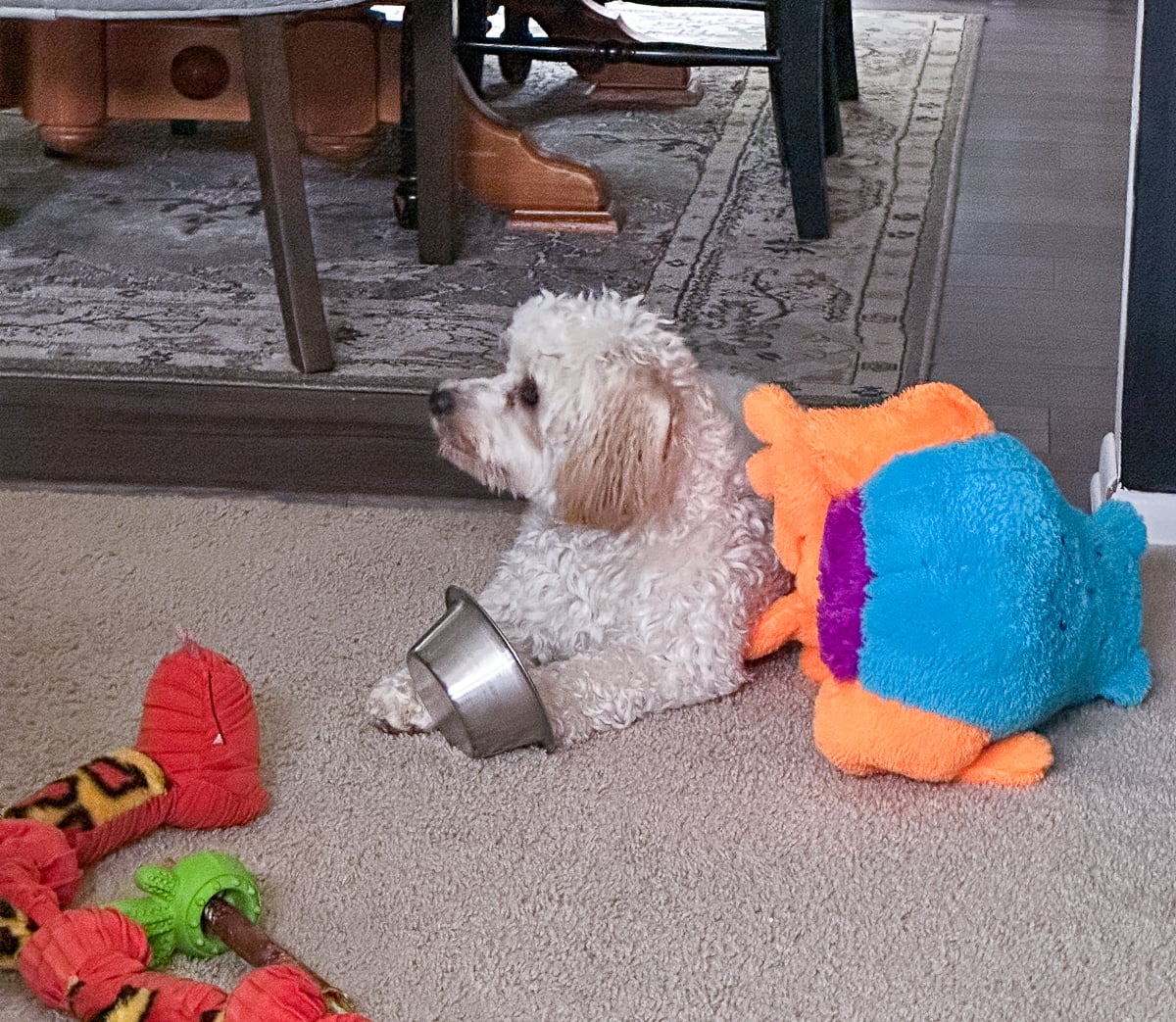
Without a dedicated storage spot, pet supplies have a way of wandering all over the house. Giving the things you use most a home of their own makes life so much easier. Leashes, collars, brushes, waste bags, toys, towels, and
Your storage setup should keep your pet's safety in mind, too. Household products like
Build Cleaning Habits Into Household Chores
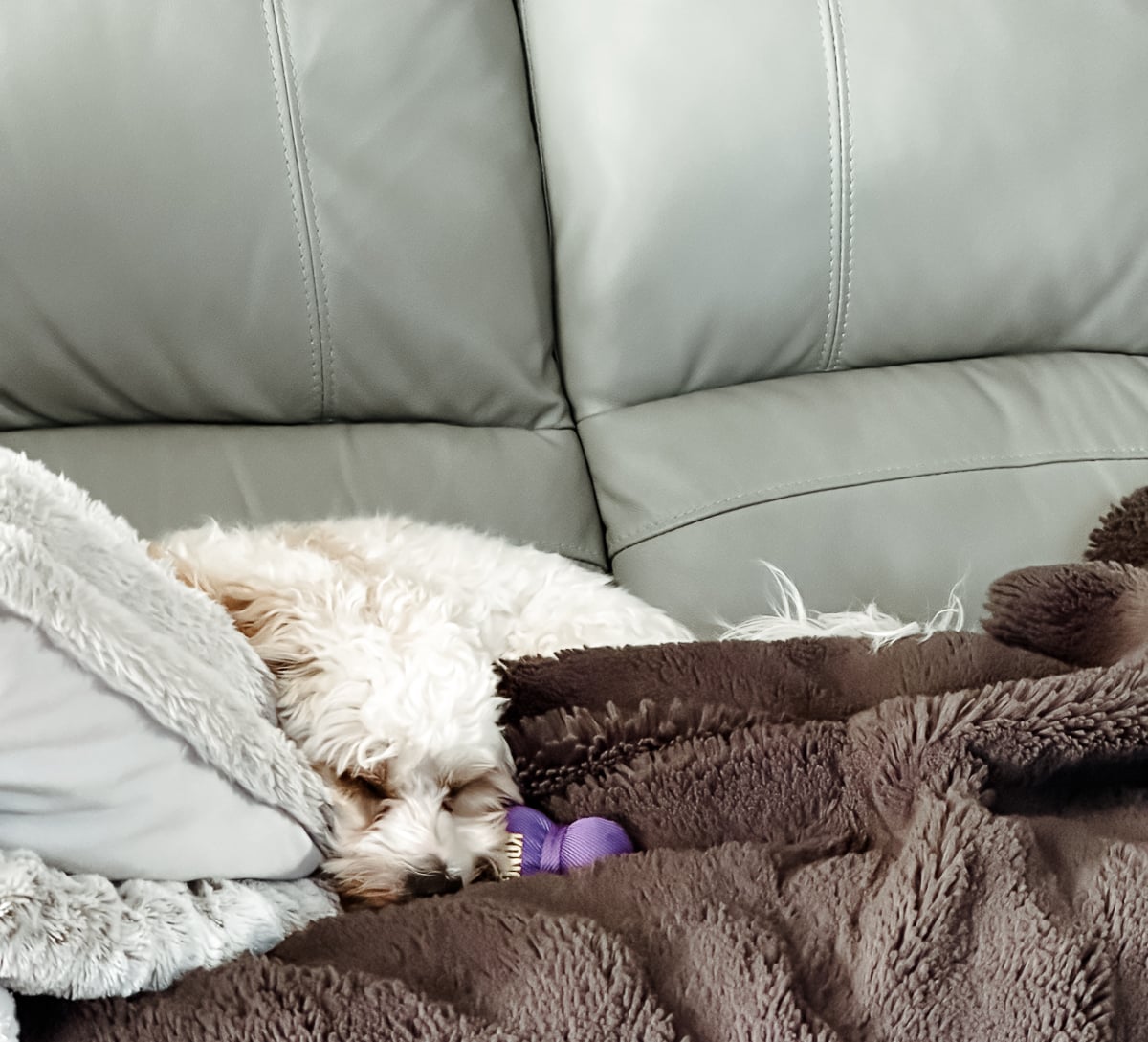
Keeping up with pet messes is so much easier when it's part of your normal housework. Build a few habits for handling pet hair, sleeping spots, bedding, and accidents. A home with
Pet beds and favorite blankets need attention, too. Washing them regularly gets rid of built-up hair, dirt, and odor. Clean the hard surfaces near the feeding area as needed, and clean crates and carriers based on what they're made of and how you use them. A set
Create A Practical Grooming Schedule
Every pet has different grooming needs, so build a grooming schedule around what your pet actually needs instead of following a set calendar. Brushing can help cut down on shedding and keep their coat healthy, and trimming their nails keeps them comfortable. Some
Grooming time is also a chance to notice changes you might otherwise miss. You might spot something different in their coat, skin, paws, ears, or nails. Grooming doesn't replace a trip to the vet, but noticing something unusual can lead to a quicker call to your vet. Regular, relaxing grooming sessions can also help
Make Exercise Part Of The Daily Schedule
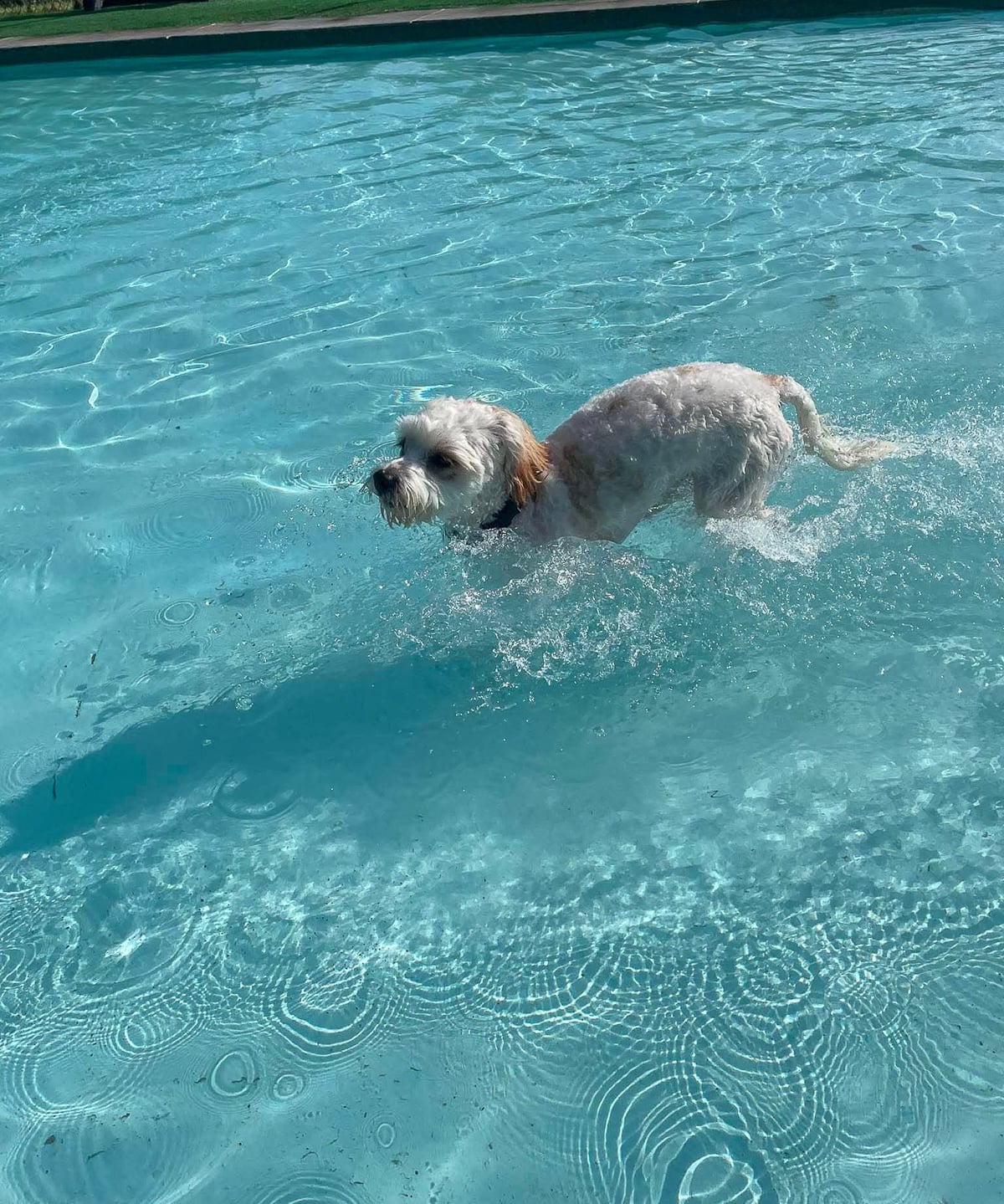
For a lot of
When the weather or something else keeps you inside, indoor exercise is a good option. Toys, training, and play are all fun ways to keep
Review Household Safety Regularly
Pet safety checks belong in your regular home maintenance. Every so often, look over the spots where
It's also smart to keep your pet's important information where you can find it fast. Vet contact info, medication instructions, vaccination schedules, and other emergency details should all be somewhere easy to get to. Keep carriers and leashes handy instead of tucked away in storage. It might seem unnecessary on a normal day, but these precautions will help if an emergency ever comes up.
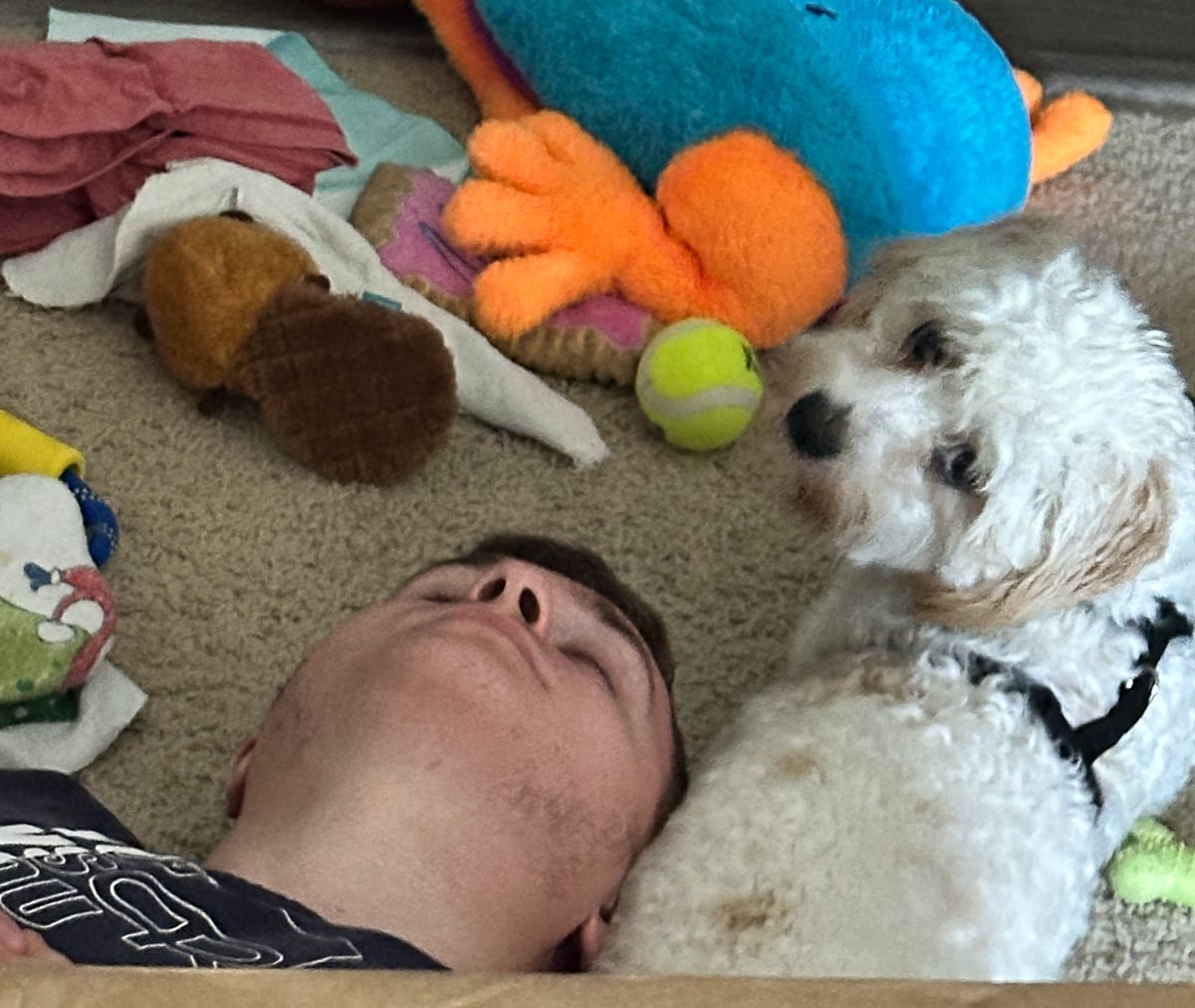
Better pet care habits come from small routines done consistently, and they fit right into the household you already have. Those little routines make feeding,