Simple Protein Meals Athletes Make When Time Is Tight
Athletes often juggle demanding schedules. Between training sessions, work, school, and travel, finding time to prepare meals can be a challenge. When time is limited, many rely on simple meal ideas that are quick to assemble and easy to bring along.
Rather than complicated recipes, the focus is usually on meals that combine familiar ingredients and require minimal preparation. With a little planning and a few reliable staples, athletes can prepare practical meals even on the busiest days.
Quick breakfast ideas before a busy day
For many athletes, mornings start early. A breakfast that can be prepared quickly is often the most realistic option before heading out the door.
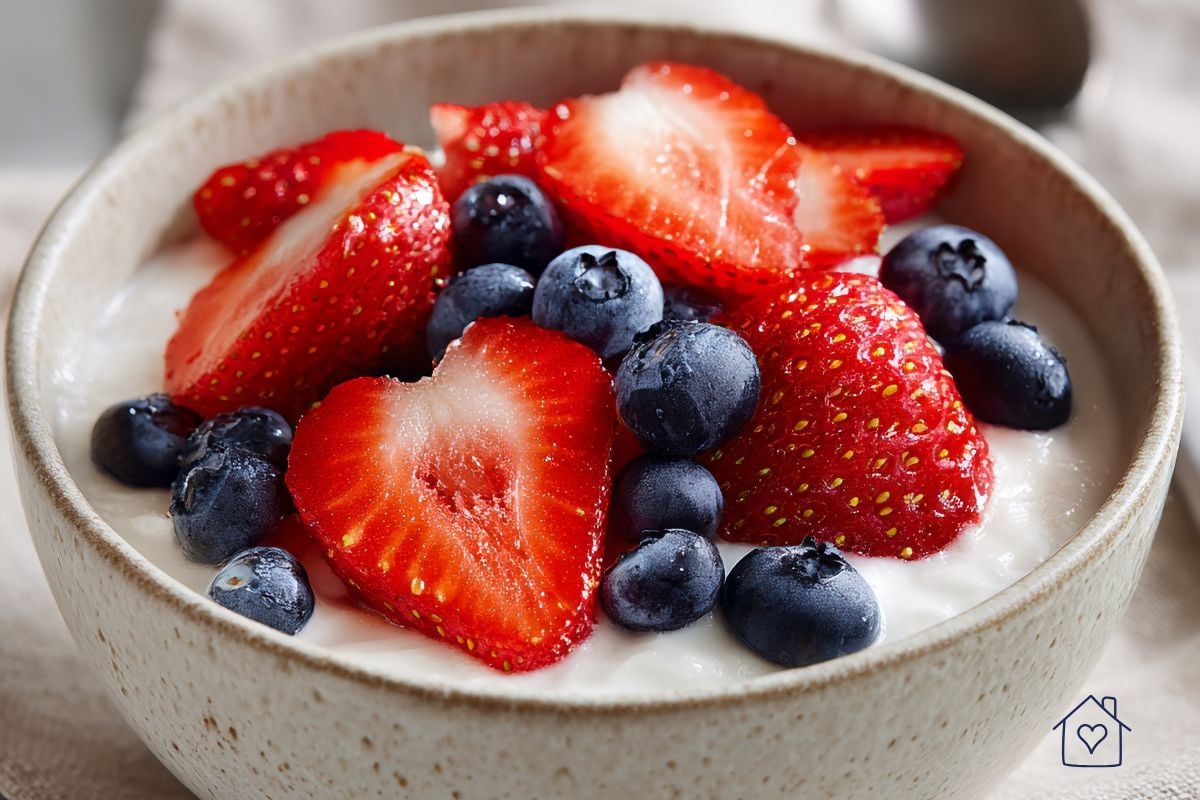
One popular choice is a simple breakfast bowl made with fruit, nuts, or cereal. Some people also enjoy adding greek yogurt to their morning routine because it works well with a variety of toppings and takes only a few minutes to prepare.
Another option is a smoothie. Blending fruit, yogurt, and a beverage of choice creates a quick drink that can be consumed at home or on the way to training. Smoothies are also easy to adjust depending on what ingredients are available.
These types of breakfasts are popular because they require little preparation while still offering a satisfying start to the day.
Easy meals athletes assemble in minutes
When athletes return from training or have limited time between activities, quick meals often become the go-to solution. Instead of
For example, a quick lunch might include a wrap filled with vegetables, leftover protein, and a simple sauce. Grain bowls are another common option. Rice, quinoa, or pasta can be paired with vegetables and a protein source to create a meal in just a few minutes.
These meals work well because they are flexible. Athletes can change ingredients depending on their schedule, preferences, or what is available in the kitchen.
Preparing ingredients ahead of time
Meal preparation is another strategy many athletes use to save time. Preparing certain foods in advance makes it easier to assemble meals throughout the week.
Cooking a batch of grains, roasting vegetables, or preparing protein in advance can make weekday meals much faster to prepare. Instead of starting from scratch each time, athletes can mix and match ingredients to create different meals.
For example, a container of cooked rice can become a lunch bowl one day and a quick stir-fry the next. This approach reduces the time spent
Portable snacks for busy schedules
Snacks are also important when time is tight. Athletes often look for foods that are easy to carry in a bag and quick to eat between activities.
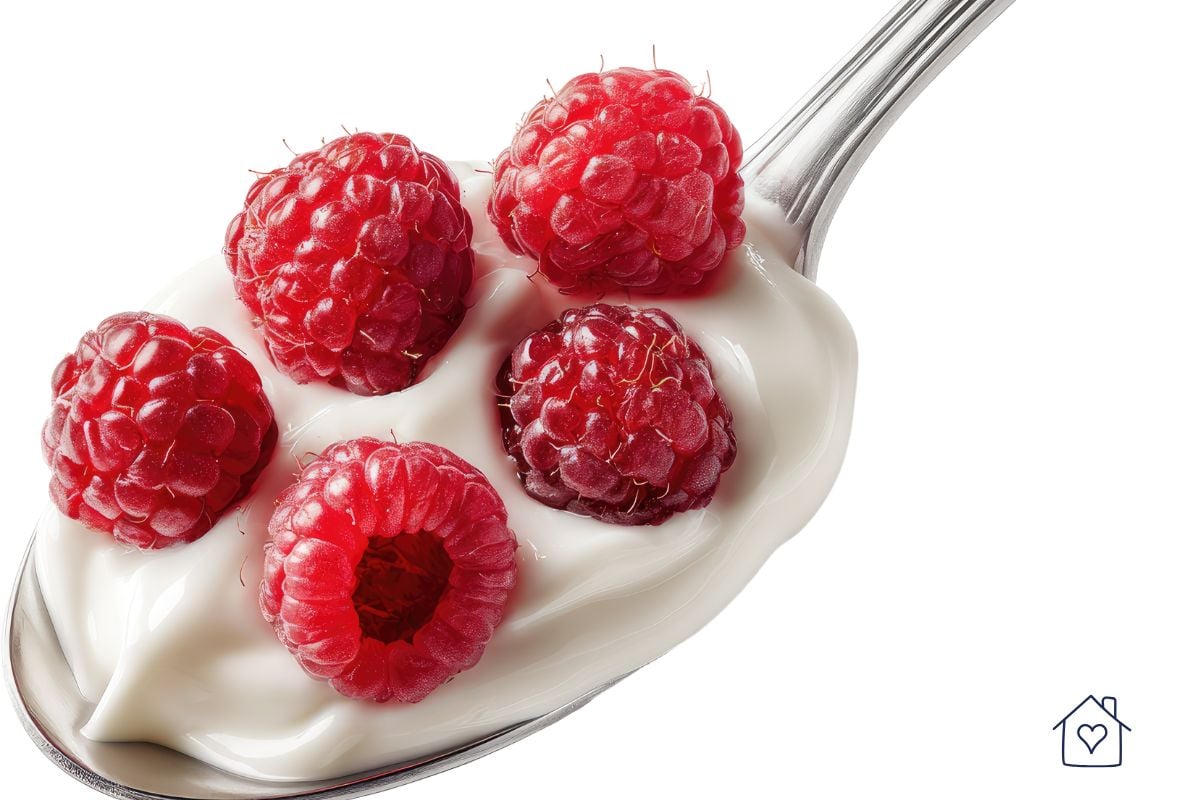
Common choices include fruit, nuts, sandwiches, or ready-to-eat dairy products. These options can be packed in advance and consumed wherever the day leads, whether that's at a training facility, at work, or while commuting.
Having portable snacks available can help athletes stay organized during long days without needing to stop and prepare a full meal.
Keeping meals simple and realistic
One of the most important strategies athletes follow is keeping their approach to meals realistic. Complex recipes may sound appealing, but they are not always practical when schedules are packed.

Instead, many athletes rely on a rotation of simple meals that they know how to prepare quickly. These meals often use ingredients that are easy to find and easy to combine.
By focusing on convenience and familiar foods, athletes can maintain consistent eating habits without adding unnecessary stress to their routine.
In the end, eating well during a busy training schedule is often about preparation and simplicity. With a few quick meal ideas and some ingredients ready to go, athletes can create satisfying meals even when time is tight.