Smart Homes Explained: What a Truly Integrated Smart Home Really Is
What Is a Smart Home? (And Why Integration Matters)
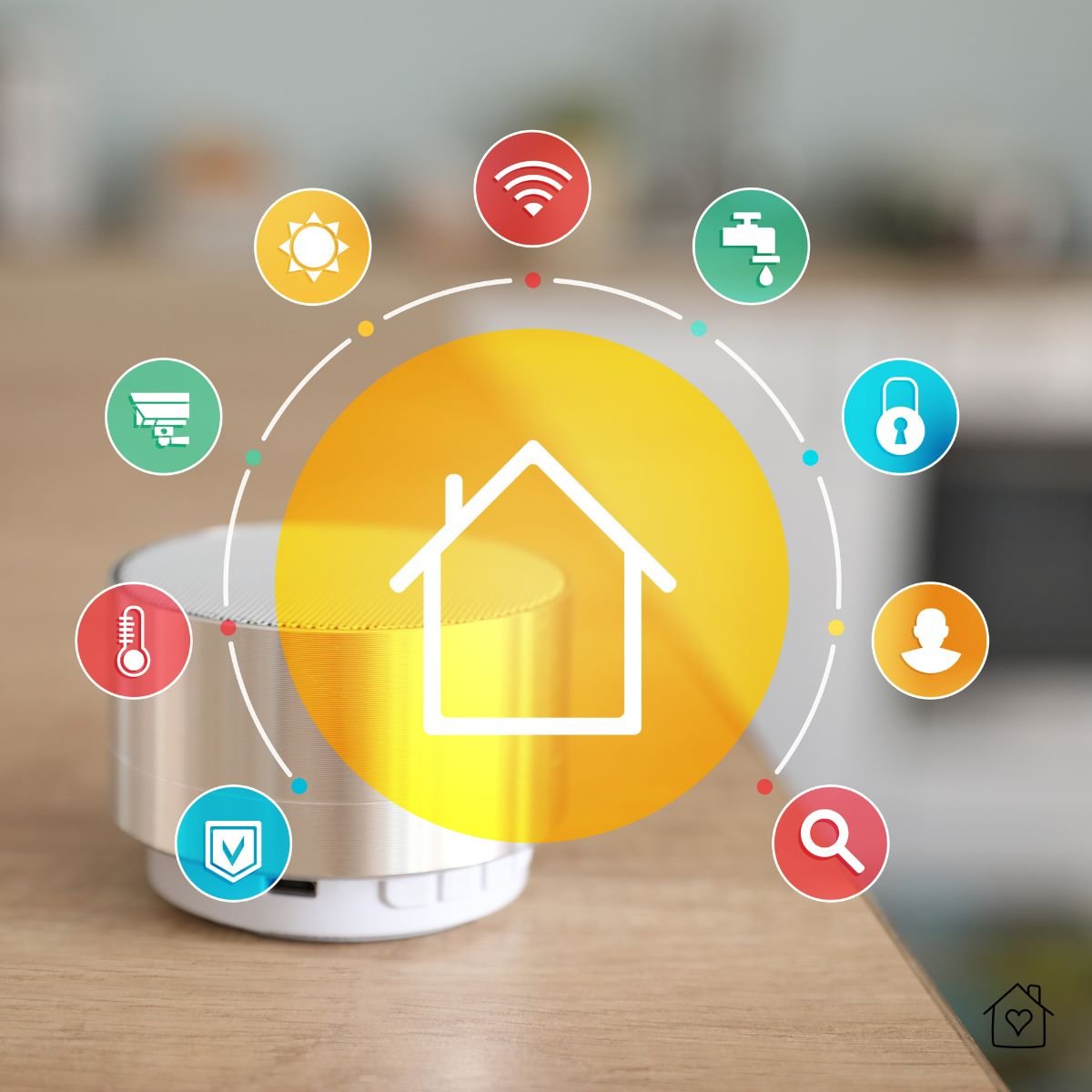
A smart home isn't about stuffing your house with gadgets you have to babysit or juggling app after app just to turn off a light. At its best, a smart home is one integrated system where lighting, climate control, security, and entertainment all work together instead of competing for your attention.
Think one system to rule them all (yes, Lord of the Rings fans 😉).
When everything is properly connected, you don't notice the technology nearly as much as the convenience. Your home quietly handles routine tasks, adjusts to your habits, and removes small stresses you didn't even realize were adding up.
*This post may contain affiliate links and I'll earn a commission if you shop through them. You can read my full disclosure here.
What a Truly Smart Home Does
A good smart home responds to you, not the other way around.
Instead of stopping what you're doing to open yet another app just to change the lights or temperature, the house begins to recognize patterns such as when you're home, when you leave, when evenings slow down, and when it's time for bed. Adjustments happen automatically, often without you thinking about them at all.
The goal isn't more technology just for the sake of it. It's a home that feels easier to live in.
How Smart Homes Make Everyday Life Easier
Let's be honest, life is full. Between work, family responsibilities, and errands, even small tasks can start to feel overwhelming.
A smart home helps in quiet, practical ways that add up faster than you expect. Lighting and temperature adjust on their own. Security systems keep watch without constant checking. Energy use becomes more efficient without ongoing effort.
Instead of juggling dozens of controls, everything flows through one connected system. The result is a home that feels calm, efficient, and supportive but never cluttered or overly "techy."
The Core Systems That Power a Smart Home
A true smart home isn't built device by device. It's designed as a whole. These are the core systems that work together behind the scenes.
Lighting and Automated Scenes
Smart lighting does far more than turn lamps on and off from your phone. It creates scenes that follow the rhythm of your day.
Lights can gently brighten in the morning, welcome you home in the evening, or dim automatically when it's time to relax. An "away" setting can shut everything down and support security, while movie mode lowers lights and sets the mood instantly.
Because lighting is connected to other systems, it can respond to motion, time of day, or security activity without any manual input.
Climate Control

Smart climate systems adapt to how you actually live.
Temperatures adjust based on whether anyone is home, the time of day, and outdoor conditions. When the house is empty, energy use scales back. When you're home, comfort comes first without constant thermostat changes.
Over time, the system fades into the background and that's exactly how it should feel.
Security Systems
Security is one of the most reassuring uses of smart automation.
Cameras, video doorbells, and motion or entry sensors quietly monitor what's happening around your home. Alerts let you know when something's off, and recordings provide peace of mind.
When systems are connected, security doesn't operate in isolation. Motion can trigger lights. Doors can lock automatically at night. Your home responds intelligently, not just passively.
Smart Locks and Access Control
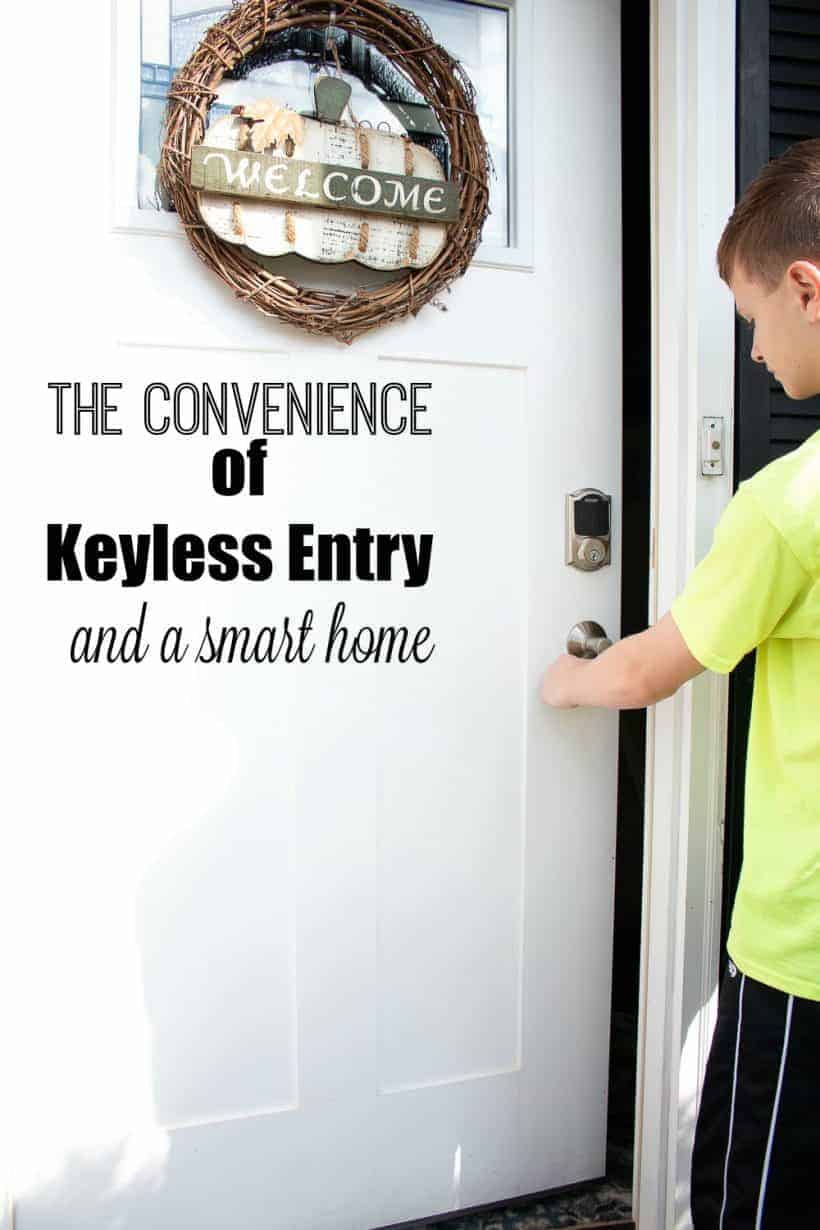
Smart locks simplify everyday access.
You can unlock doors remotely, create temporary codes for guests or contractors, and check who's coming and going. Paired with cameras and lighting, you can confirm visitors and manage access even when you're not home.
No spare keys and no wondering if the door was locked.
Smart Shades and Blinds
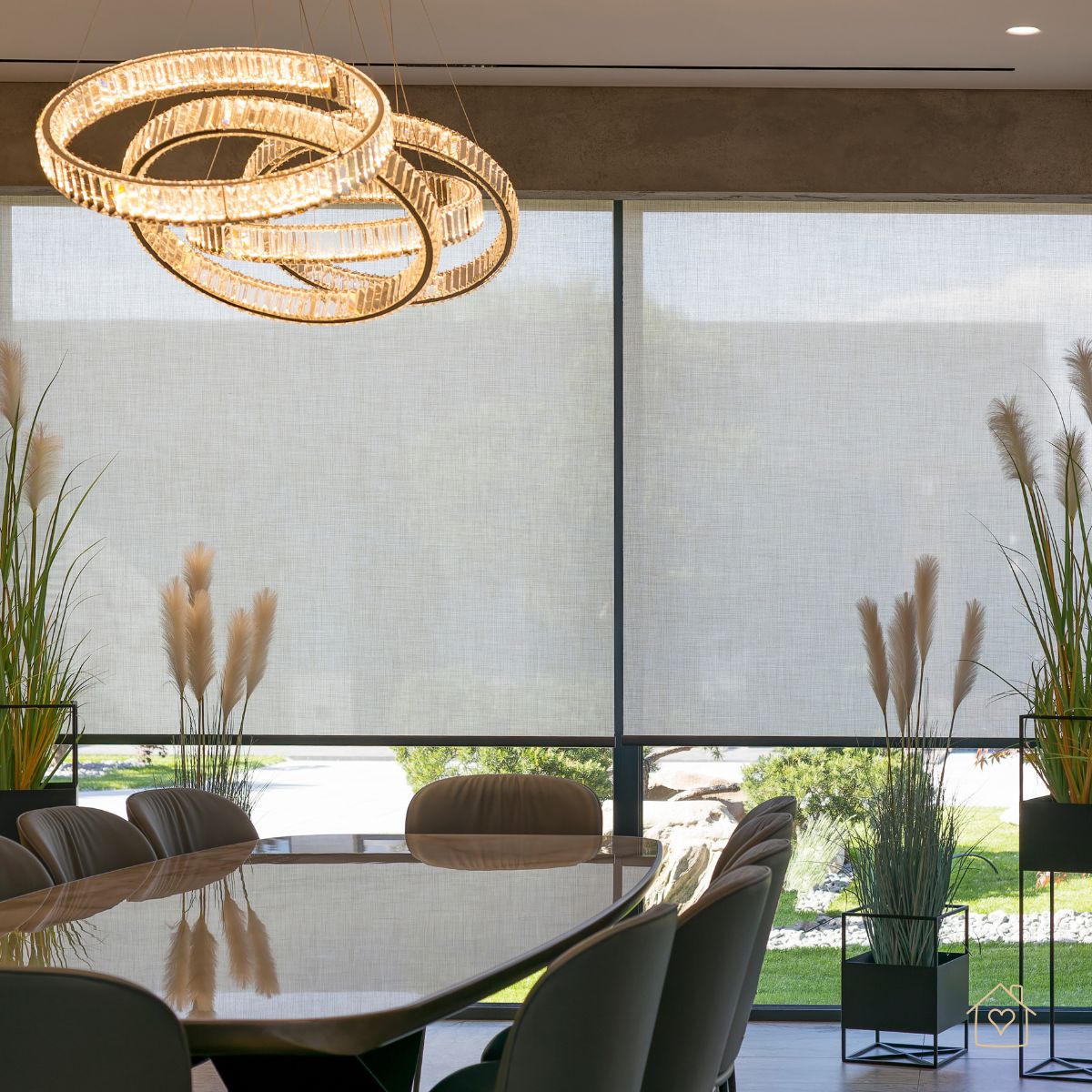
Automated shades add comfort in subtle but meaningful ways.
They open in the morning to let in light, close at night for privacy, and adjust during the day to block excess heat. When tied into lighting and climate systems, they help keep the house cooler on bright afternoons or create the perfect movie-night environment.
Multimedia and Home Entertainment
A smart home makes entertainment feel effortless.
Music can play throughout the house without juggling devices. Home theater systems can dim lights and lower shades automatically. One command can prepare the room for a movie so you can simply sit down and enjoy it.
Garage Automation

Garage automation is one of those conveniences you quickly come to rely on.
You can open or close the garage from anywhere, receive alerts if it's left open, and tie garage activity into arrival routines. Pull into the driveway, and lights turn on, doors unlock, and security adjusts automatically.
Leak and Flood Protection
Water damage is expensive, stressful, and often preventable.
Leak sensors detect issues early. Automatic shutoff valves can stop water flow immediately. Alerts notify you even when you're away.
A few years ago, my family and I were celebrating one of my son's birthdays when our water heater failed. I came home to water in the garage, laundry room, and playroom. I spent hours removing water, and the drywall and trim were badly damaged. A simple leak sensor could have made all the difference.
Energy Monitoring and Solar Integration
Smart energy tools show where power is being used and where it's wasted. For homes with solar panels, automation helps balance when energy is drawn, stored, or shared.
That visibility makes it easier to reduce bills and make informed, energy-conscious choices.
Wi-Fi Network: The Foundation of It All
None of these systems work well without reliable Wi-Fi.
Whole-home coverage keeps everything connected, responsive, and dependable. A strong network reduces dropouts, lag, and frustration and serves as the backbone of a truly smart home.
Why Smart Homes Work Best as One Unified System
What truly makes a home smart is coordination.
Motion triggers lighting.
Security responds automatically.
"Away" mode turns off lights, adjusts temperature, and arms protection.
Movie night closes shades, dims lights, and prepares the room.
The magic happens when everything is designed to work together, instead of feeling like a drawer full of mismatched gadgets.
A Thought on Professional Smart Home Design
This kind of seamless coordination doesn't usually happen by chance. Homes that feel intuitive and easy to live in are often planned as complete systems from the very beginning.
Professionals in the smart home space, like the team at Nestology, often emphasize designing the entire home as a single ecosystem. Instead of focusing on individual products, the priority is how lighting, climate, security, and entertainment work together in everyday life.
When a smart home is designed this way, it tends to feel simpler, more reliable, and far less frustrating because everything was meant to work together from day one.
So, Is a Smart Home Worth It?
A smart home isn't about flashy technology. It's about how your home feels.
When lighting, climate, security, entertainment, and energy systems work together quietly and reliably, daily life becomes calmer, easier, and more comfortable. The best smart homes fit your life as it is and still have room to grow with you.
And when it's done right, you don't think about the technology at all. You just enjoy the way your home works for you.