The Hidden Factor That Makes Homes Feel More Expensive
Walk into a high-end home and you'll notice the "nice stuff," the joinery, the flooring, the calm color palette. But there's another ingredient that quietly does more heavy lifting than almost any material upgrade: light. Not fancy light fittings. Not statement pendants. The quality, direction, and consistency of natural daylight.
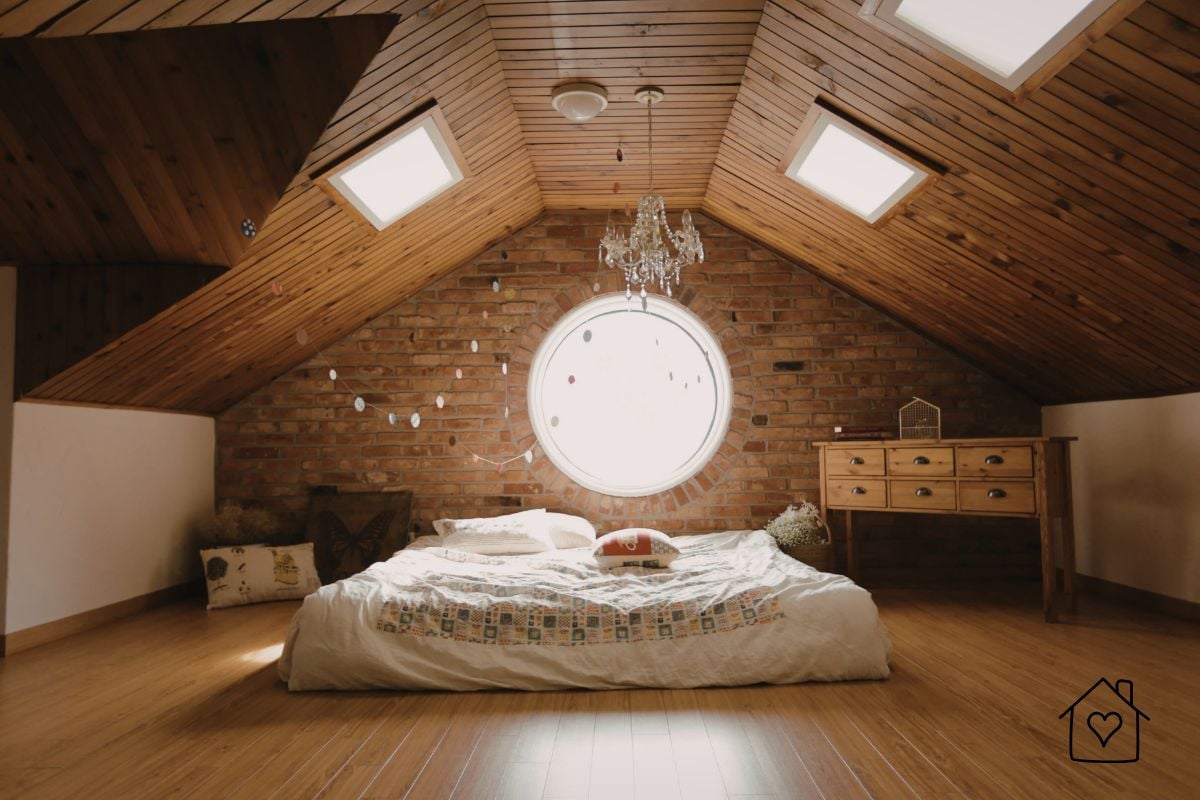
It's the reason two homes with the same footprint can feel worlds apart. It's also why some renovations look undeniably premium in photos, even before the furniture arrives. Daylight changes how surfaces read, how spacious a room feels, and how "considered" the whole space appears. If you want a home to feel more expensive without automatically reaching for luxury finishes, start by looking up, literally.
*This post may contain affiliate links and I'll earn a commission if you shop through them. You can read my full disclosure here.
Why Daylight Reads as "Luxury" (Even When it Isn't)
Natural light has an outsized psychological effect. Brighter spaces are routinely perceived as larger, cleaner, and more welcoming. More interestingly, daylight increases the legibility of a room: textures and colors look truer, edges look crisper, and the space feels intentionally designed rather than simply decorated.
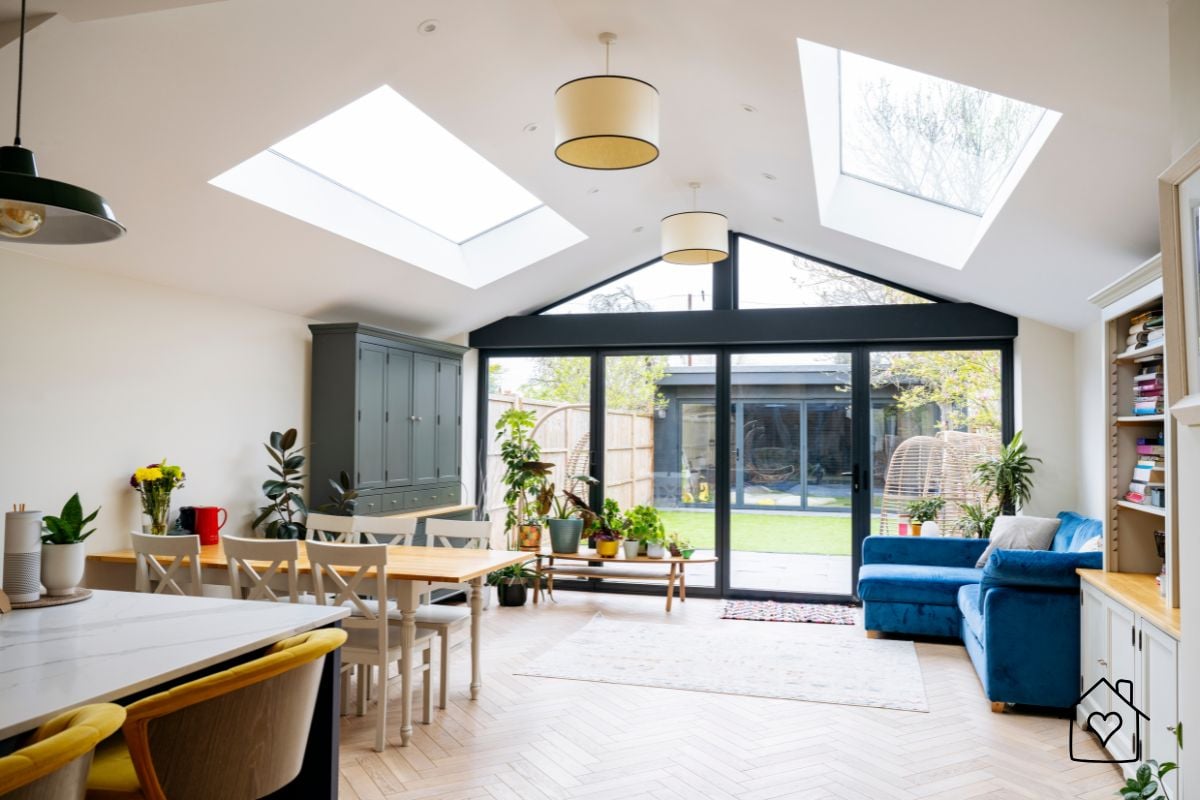
There's also a cultural cue at work. Premium homes, especially contemporary builds and well-renovated period properties, tend to have strong daylight strategies: taller glazing, better orientation, and fewer gloomy internal corners. That "architect-designed" feeling isn't only about minimalism; it's about light distribution.
The Difference Between Light Quantity and Light Quality
A single big window doesn't guarantee a bright room. Light quality depends on:
- Direction (north vs south light behaves very differently in the UK)
- Depth (how far daylight penetrates into the plan)
- Contrast (harsh bright patches next to dark zones feel less refined)
- Reflection (the room's surfaces either amplify or swallow light)
A space that's evenly daylit tends to feel calmer and more expensive than one that's bright at the perimeter but murky in the middle.
The Overlooked Move: Bringing Light From Above
Vertical windows do a lot, but they're limited by neighboring buildings, privacy needs, and the simple geometry of terraced and semi-detached layouts. Roof-level daylighting such as roof windows, skylights, and well-placed openings, solves a different problem: it delivers light deeper into the home, often where you need it most (landings, hallways, stairwells, loft rooms, rear extensions).
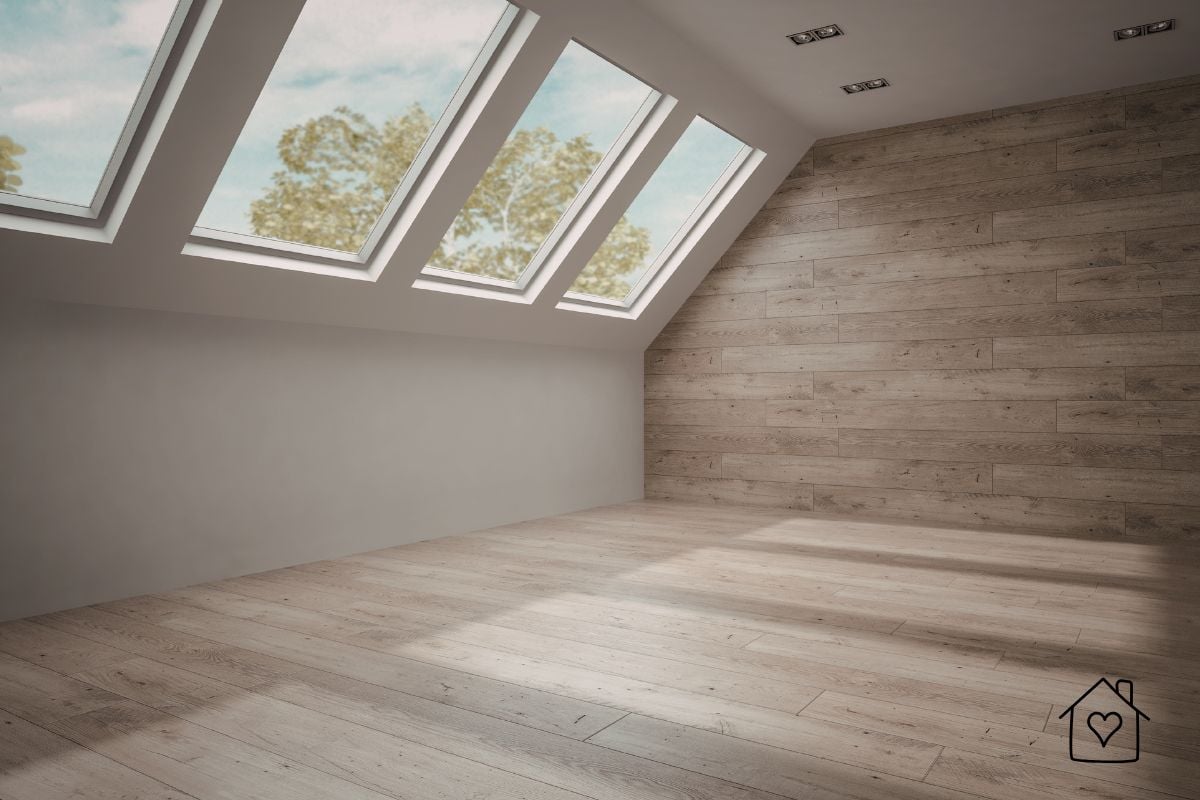
Here's what makes top-lighting feel "premium": it reduces dependence on artificial lighting during the day, and it tends to eliminate the grey, compromised areas that make a home feel tight. It's also one of the few upgrades that improves both aesthetics and day-to-day experience without asking you to change your whole floorplan.
If you're researching options, it helps to look at real-world specifications and configurations rather than just inspirational images. A useful place to start is browsing daylighting roof window products to understand the range of sizes, opening types, and use-cases-especially if you're comparing what works for a loft conversion versus a darker first-floor landing.
Where Roof Light Makes the Biggest Difference
Not every room needs more daylight. The highest-impact locations are typically the "in-between" spaces that connect your home:
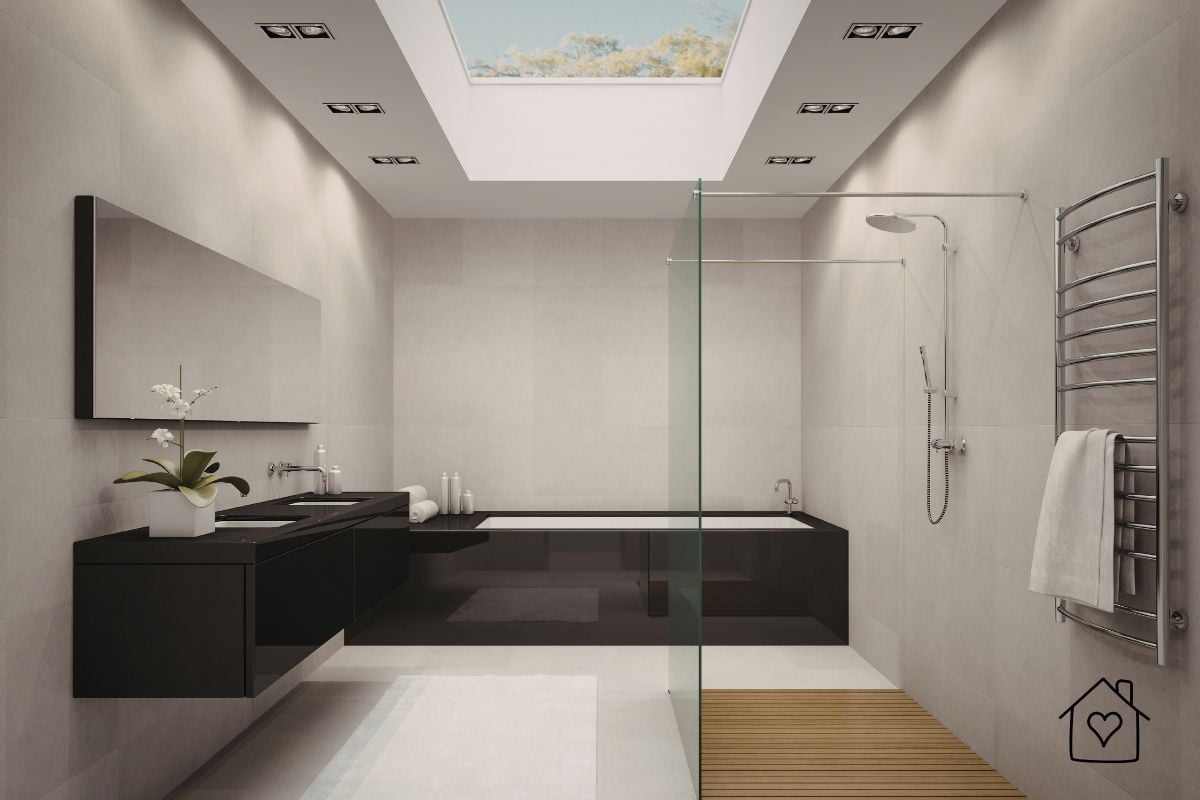
- Staircases and landings: a single roof window can make the whole upstairs feel brighter.
- Hallways: daylight here improves first impressions immediately.
- Loft rooms: top-lighting often turns them from "bonus space" into a genuinely desirable room.
- Kitchens in rear extensions: balancing light from a rear elevation with light from above reduces glare and shadows.
Done well, this isn't about creating a sun-drenched conservatory vibe. It's about even, comfortable illumination that makes the whole home feel composed.
How to Design Daylight so it Looks Intentional (Not Like an Afterthought)
The biggest mistake people make is treating daylight as a one-off purchase instead of a design decision. A roof window dropped into the wrong spot can create awkward glare on a worktop, wash out a TV wall, or highlight clutter in exactly the wrong place. A good daylight plan considers the room's use and the way you move through it.
Aim for Balanced Light, not Maximum Light
More glass isn't always better. A room that's too bright at midday can feel harsh and unrelaxed, hardly a luxury cue. Balance usually comes from combining:
- A primary light source (e.g., rear doors or a large window)
- A secondary "fill" from above to reduce contrast and push light deeper
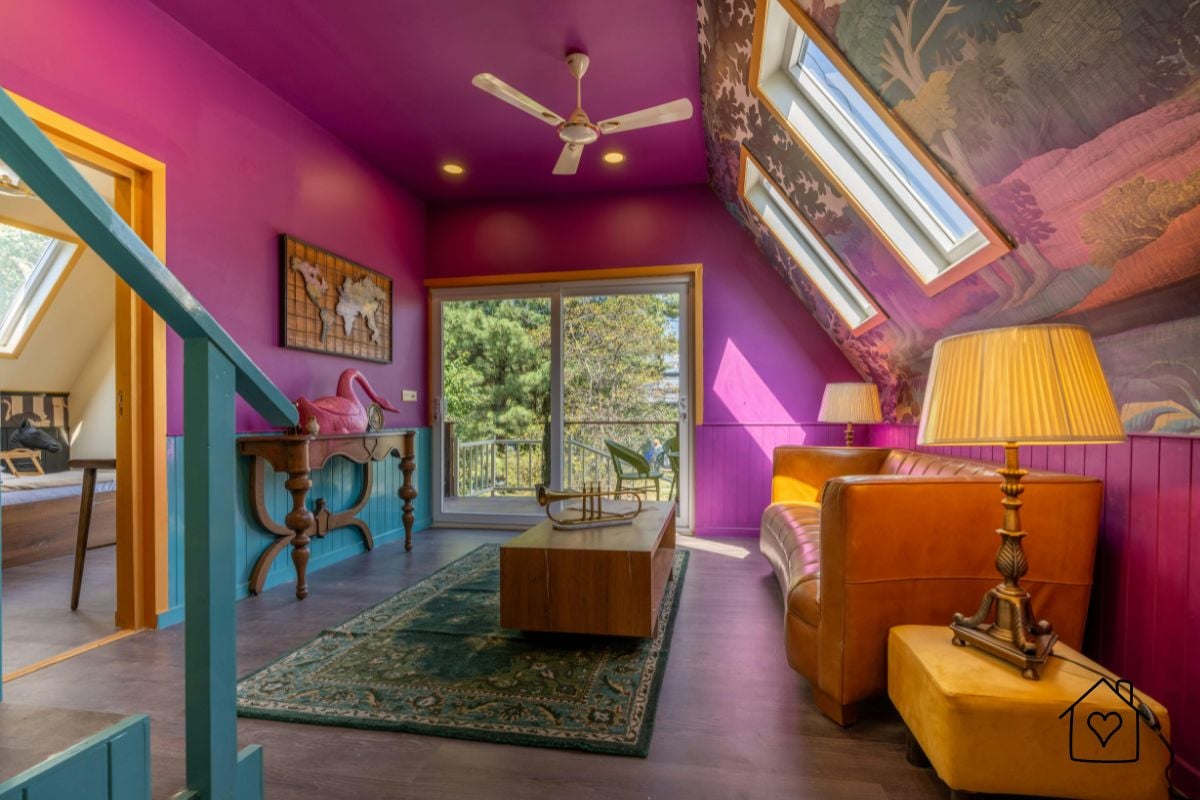
That second layer is what often makes a space feel architecturally resolved. It's the visual equivalent of good tailoring: subtle, but you know it when you see it.
Think in "Views" and "Moments," not Just Illumination
Ask yourself: where do you pause in this room? Where do you naturally look?
A roof window over a stair can turn the climb into a lighter, more uplifting moment. In a kitchen, a roof window positioned to brighten a breakfast area can make the space feel generous, even if the footprint hasn't changed. These moments are what people remember when they say, "This house just feels lovely."
Practical Ways to Make Daylight Feel Expensive (Without Redoing Everything)
You don't need a grand design budget to improve light quality. A few targeted moves can lift the whole home's feel.
Use Surfaces That Amplify Daylight, Not Fight it
Matte finishes can be beautiful, but extremely dark mattes absorb light quickly. If your home is already light-starved, consider lighter wall colors with soft reflectance and avoid overly grey whites (they can look dingy in north-facing rooms). Timber, stone, and textured plaster also read richer when daylight falls across them which is another reason natural light makes finishes look more premium.
Control Glare and Overheating-Quietly
A space that's uncomfortably hot or full of glare doesn't feel expensive; it feels irritating. Manage this with considered shading (blinds designed for roof windows can be much neater than improvised solutions) and by thinking about orientation. South-facing roof glazing may need more solar control than north-facing.
One Small Checklist Before you Cut into a Roof
If you're at the "should we add a roof window?" stage, these questions prevent costly regrets:
- What time of day do we use this room most?
- Where will the light fall, onto a workspace, a seating area, or a screen?
- Will it create privacy issues with neighboring windows?
- How will we ventilate the space in summer?
- What will it look like from the street (especially in conservation areas)?
This is where a good designer or experienced installer earns their keep: they'll think beyond the opening itself and consider the lived experience.
The Takeaway: Expensive isn't a Finish-It's a Feeling
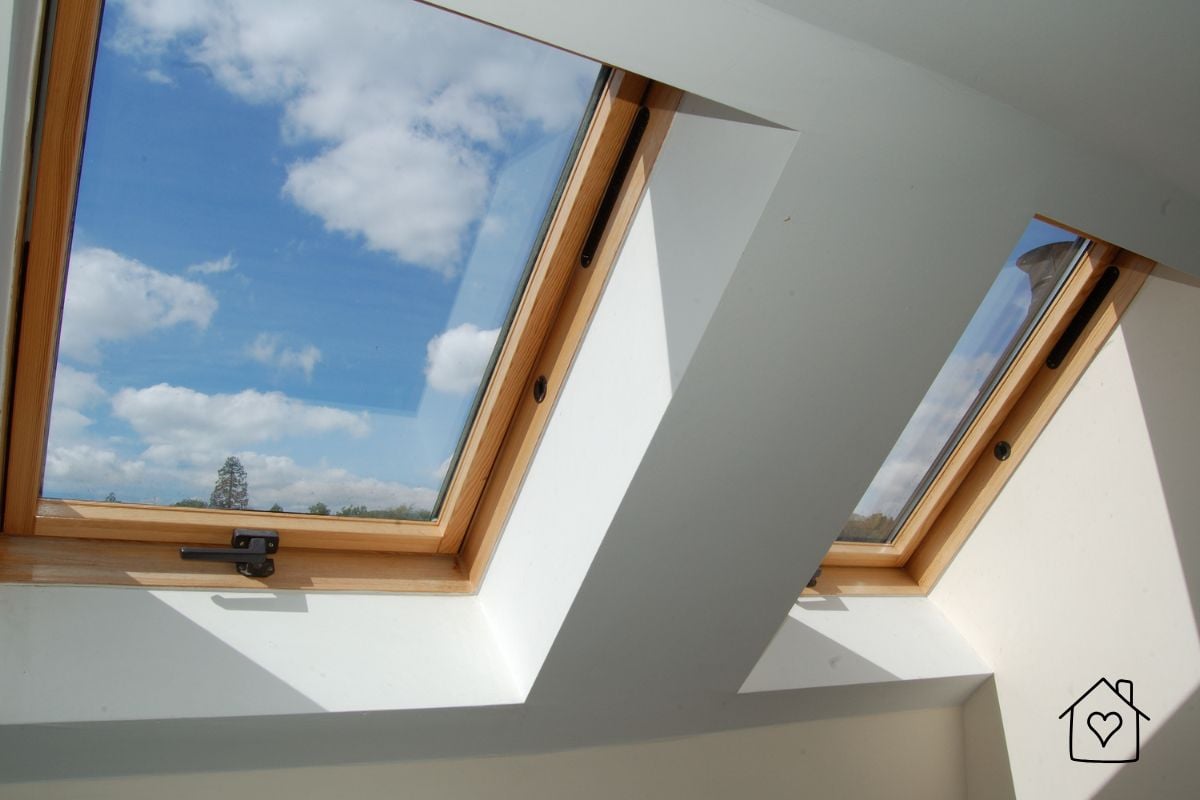
People often chase "expensive" through materials: thicker worktops, branded taps, trend-led tiles. Those can help, but without good daylight, they rarely land the way you hope. Natural light is the multiplier. It makes spaces feel larger, calmer, and more thoughtfully designed, and it lets the finishes you already have look better.
So if you're planning an update, anything from a loft conversion to a modest refresh, don't start with the shopping list. Start by mapping how light moves through your home. Fix the dark seams, soften the harsh contrasts, and bring daylight to the places that currently feel forgotten. It's one of the most reliable ways to make a home feel genuinely more expensive, without turning it into a showroom.