A Guide to Remodeling Your Home for Retirement
As retirement approaches, many individuals begin to envision how they want to spend their golden years, often leading them to consider remodeling their homes. Whether you're looking to enhance comfort, improve accessibility, or simply update your living space to match your evolving needs, home remodeling can be a great way to ensure your home serves you well for years to come. However, a successful home remodel requires not only careful planning and design but also consideration of the financial resources available to fund the project. From personal savings to government programs, there are various ways to finance your remodel-whether it's through a home equity loan, reverse mortgage, or other options. This guide will help you plan a retirement-friendly home remodel, taking both your design goals and financial options into account.
1. Plan for Accessibility and Mobility
One of the most important factors to consider when remodeling for retirement is accessibility. As we age, our mobility and physical abilities may change, and it's essential to make sure your home can adapt to these needs. The goal is to create a space that allows you to move freely and safely within your home.
- Wide Doorways and Hallways: Ensure your doorways are wide enough to accommodate a wheelchair or walker if needed. At least 36 inches for doors and 42 inches for hallways are ideal for easy movement.
- No-Step Entries: Eliminate steps or thresholds at entrances to make it easier to enter and exit your home. A ramp can be a practical solution for this.
- Single-Level Living: If your home has multiple stories, consider converting a bedroom or bathroom to a main-floor living area. If that's not possible, an elevator or stairlift may be a good investment.
- Grab Bars and Handrails: Install grab bars in bathrooms, particularly around toilets, showers, and tubs. Handrails should also be added along stairs and hallways to provide stability and support.
2. Revamp the Bathroom for Safety and Comfort
The bathroom is one of the most dangerous areas in a home for older adults due to slippery surfaces and the risk of falling. Remodeling your bathroom to be more senior-friendly can significantly reduce the chance of accidents.
- Walk-In Showers: A walk-in shower with a built-in seat and easy-to-grip handles is much safer than a traditional bathtub or shower. Curbless shower designs are particularly useful because they eliminate the risk of tripping on a raised lip.
- Non-Slip Flooring: Choose non-slip tiles or mats to prevent falls on wet surfaces. Avoid shiny, glossy finishes that can be slippery when wet.
- Comfortable Toilet Height: Consider installing a higher toilet to reduce the strain on your knees and back. Some toilets are designed specifically for senior comfort.
- Adjustable Lighting: Bright, even lighting is crucial. Adding motion sensor lights or adjustable light dimmers can help you easily find your way, especially at night.
3. Incorporate Universal Design Features
Universal design is a philosophy that aims to make living spaces accessible to people of all ages and abilities. Incorporating universal design principles into your home remodel can future-proof your space, ensuring it remains functional and comfortable as you age.
- Lower Countertops: Lowering kitchen counters and sinks can make it easier to reach items without straining your back or arms. This also includes adjusting the height of your appliances to avoid bending down too much.
- Touchless Faucets and Smart Technology: Touchless faucets are great for minimizing physical strain and hygiene concerns. Smart home technologies, such as voice-controlled lights, thermostats, and security systems, can also make daily living more convenient.
- Smart Storage Solutions: Organize storage spaces to ensure that items are within easy reach. Pull-out shelves, lazy Susans, and drawers that open with a push can reduce the need for bending or stretching.
4. Update Your Kitchen for Ease and Efficiency
The kitchen is the heart of the home, and it should be an easy-to-navigate space. Making your kitchen more efficient and accessible will not only improve your day-to-day life but also make meal prep less strenuous.
- Ergonomic Features: Install pull-out drawers, lazy Susans, and adjustable shelving to help you reach items with ease. Consider adding under-cabinet lighting for better visibility when
cooking . - Lower Countertop for Prep Work: If bending over is uncomfortable, adjust countertop heights to make meal prep more ergonomic. Pull-out workstations are also a good option for those who need extra space.
- Energy-Efficient Appliances: Aging-in-place can be made easier with appliances that save energy and require minimal maintenance. Look for dishwashers, stoves, and refrigerators with intuitive controls and easy-to-read displays.
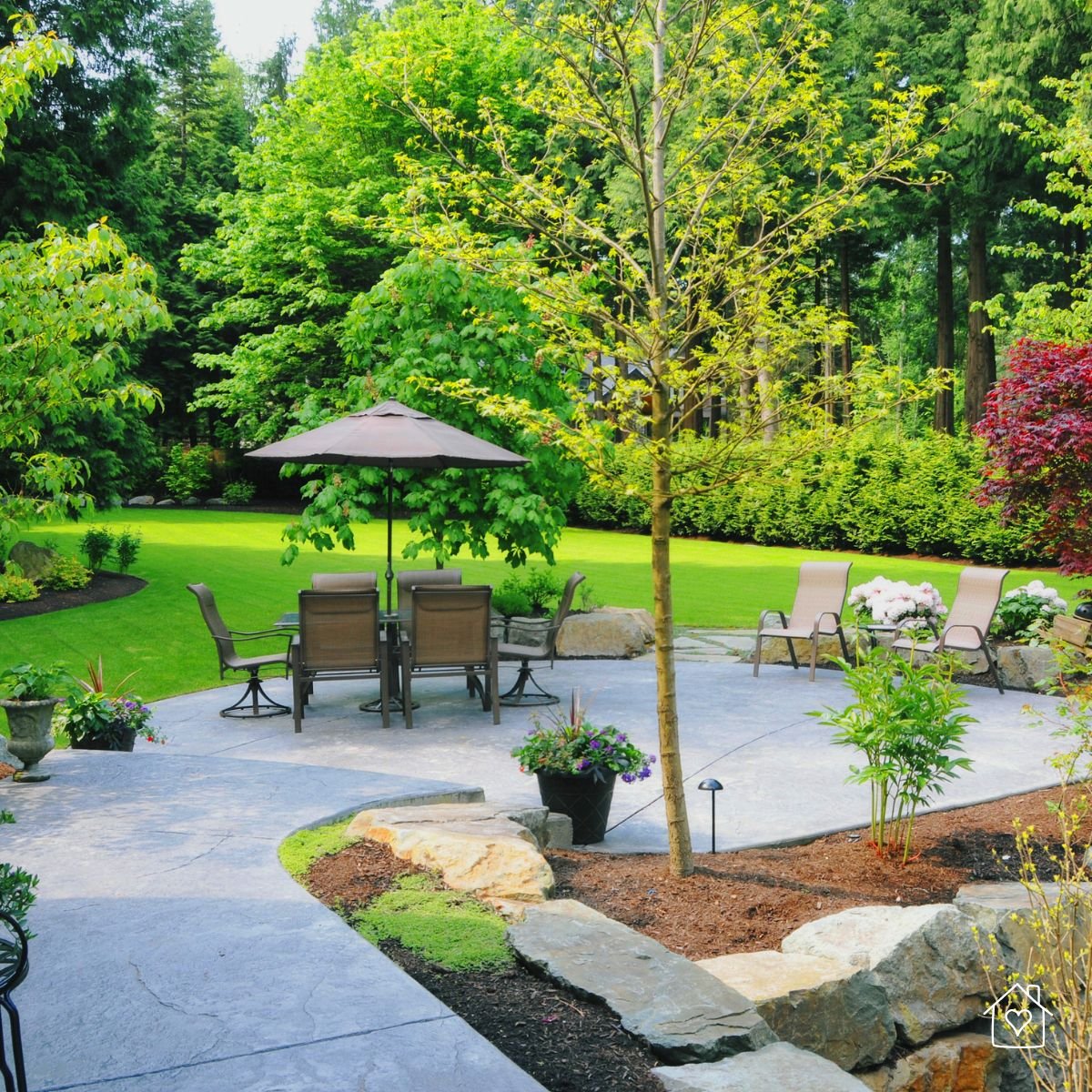
5. Create a Relaxing Outdoor Space
Spending time outdoors can enhance your physical and mental well-being, and a comfortable, accessible outdoor space can be a perfect addition to your home remodel.
- Accessible Patios and Decks: Design a patio or deck that is level with your indoor space, making it easier to transition between your home and the outdoors. Adding a railing or handrail can provide additional support.
- Low-Maintenance Landscaping: Opt for low-maintenance plants that don't require constant care. Raised garden beds and planters are also great options for those who want to grow their own flowers or vegetables without bending down.
- Outdoor Lighting: Proper lighting in your outdoor spaces can improve safety while also creating a more inviting atmosphere for relaxation.
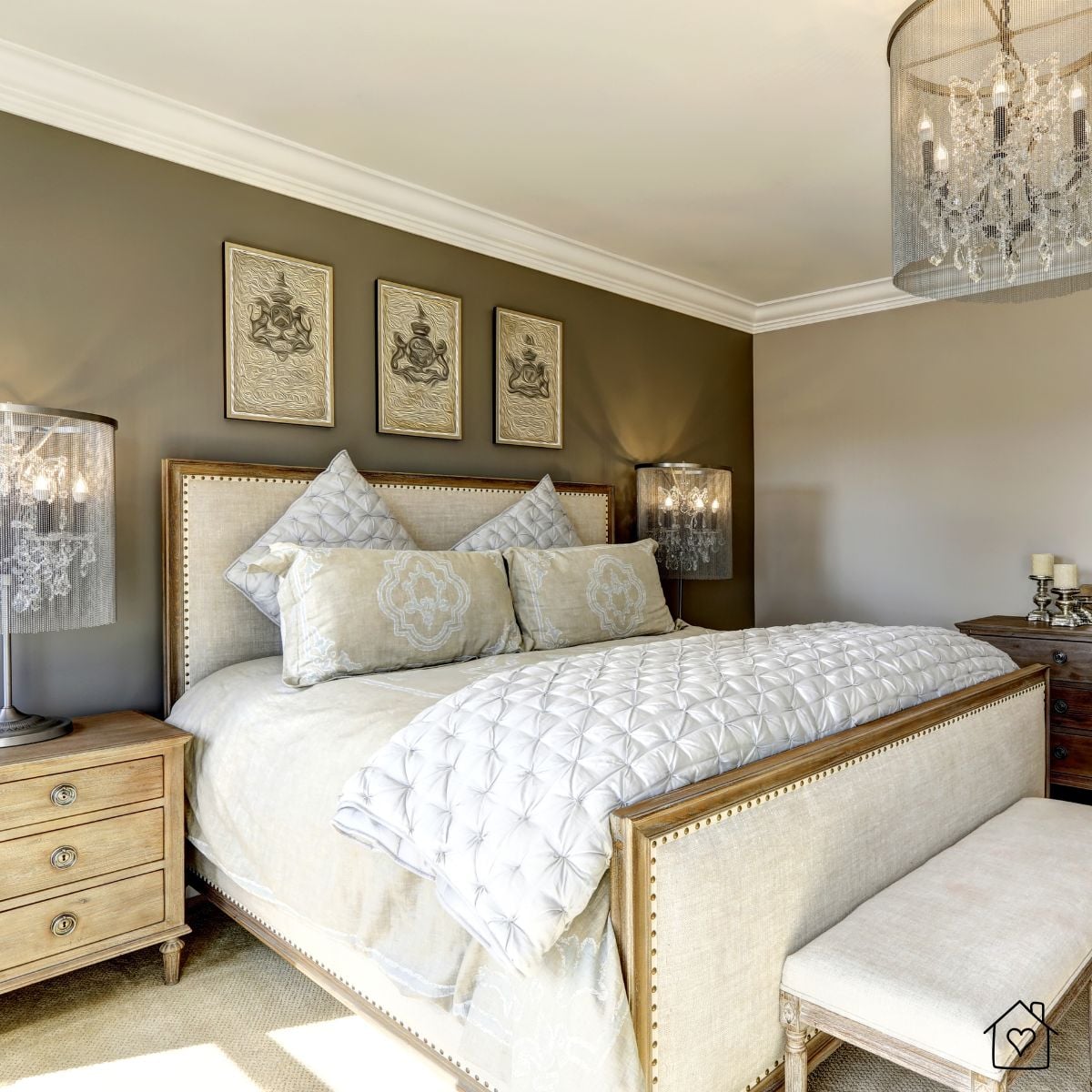
6. Enhance the Bedroom for Better Rest
Your bedroom should be a sanctuary that promotes relaxation and good sleep. A few thoughtful changes can improve both comfort and safety.
- Adjustable Bed: An adjustable bed can help you find the most comfortable position for sleeping or sitting up. It's especially helpful for managing issues like back pain or acid reflux.
- Night Lighting: Install nightlights or motion sensor lights along pathways to guide you safely to the bathroom during the night.
- Declutter the Space: A minimalist design with fewer tripping hazards can create a more peaceful and safe environment.
7. Consider Future Health Needs
As you plan for retirement, think ahead about potential health needs. Making your home adaptable can save you time, money, and stress down the road.
- Wider Hallways for Medical Equipment: If there's a possibility that you may need a wheelchair or walker in the future, widen hallways and doorways to accommodate medical equipment.
- Home Health Monitoring: Install a system that allows remote monitoring of health conditions, such as a wearable device that tracks vital signs or a security system that alerts you if something goes wrong.
- Space for Home Care: If you foresee needing help from a caregiver, create a space where they can comfortably assist you, such as a designated bedroom or bathroom with ample room for care.
8. Funding Your Home Remodel for Retirement
Remodeling your home for retirement can be a significant financial investment, but there are various funding options to consider. Planning your budget and understanding the available resources will help ensure that your remodel is both feasible and sustainable.
- Personal Savings: If you have a retirement fund or savings set aside, this can be a primary source of funding. Using personal savings avoids debt, but it's important to make sure you still have enough left for other retirement expenses.
- Home Equity Loan or Line of Credit (HELOC): If you have substantial equity in your home, you could consider a home equity loan or line of credit. These options allow you to borrow against your home's value, often with lower interest rates than personal loans or credit cards. A HELOC, in particular, offers flexibility, allowing you to borrow and repay as needed.
- Reverse Mortgage: A reverse mortgage allows homeowners aged 62 or older to tap into their home's equity without needing to make monthly payments. Instead, the loan balance is paid back when the home is sold or the homeowner moves out. This can be a viable option for retirees who have significant equity in their home and wish to access funds for remodeling. However, it's important to carefully consider the long-term implications, as the loan balance grows over time and may impact inheritance plans.
- Government Programs: There are various government-backed programs designed to assist older homeowners with home modifications. The U.S. Department of Housing and Urban Development (HUD) offers grants and loans to help seniors with accessibility upgrades. Programs like the Title I Property Improvement Loan or Section 504 Home Repair Program may be available depending on your location.
- Retirement Account Withdrawals: While it's typically not ideal to dip into retirement accounts such as IRAs or 401(k)s, in some cases, it may make sense to use these funds for necessary home modifications. However, be aware of early withdrawal penalties and the impact on your long-term retirement savings.
- Contractor Financing: Many contractors offer financing options for home improvements, which may include low-interest or deferred payment plans. Make sure to shop around for the best terms and be cautious about any hidden fees or high-interest rates.
By evaluating these options and understanding your financial situation, you can choose the best funding method for your remodel. Whether you use savings, loans, or specialized programs, the right financing can help you create the home of your dreams for retirement without overextending your finances.
Final Thoughts: Remodel with Retirement in Mind
A well-thought-out home remodel can help you enjoy your retirement years in comfort, safety, and style. By focusing on accessibility, functionality, and personal preferences, you can create a living space that adapts to your changing needs. The financial aspect is equally important, and it's essential to explore the funding options available to make your remodel a reality. Whether you choose to tap into your savings, leverage home equity, or explore government programs, funding your project wisely will ensure a smooth transition into your retirement home. With the right planning, your home can become a place that not only accommodates your needs but enhances your overall quality of life, providing peace of mind and enjoyment for many years ahead.