How Tazscapes Delivers High-End Calgary Landscaping Transformations
Quick Answer
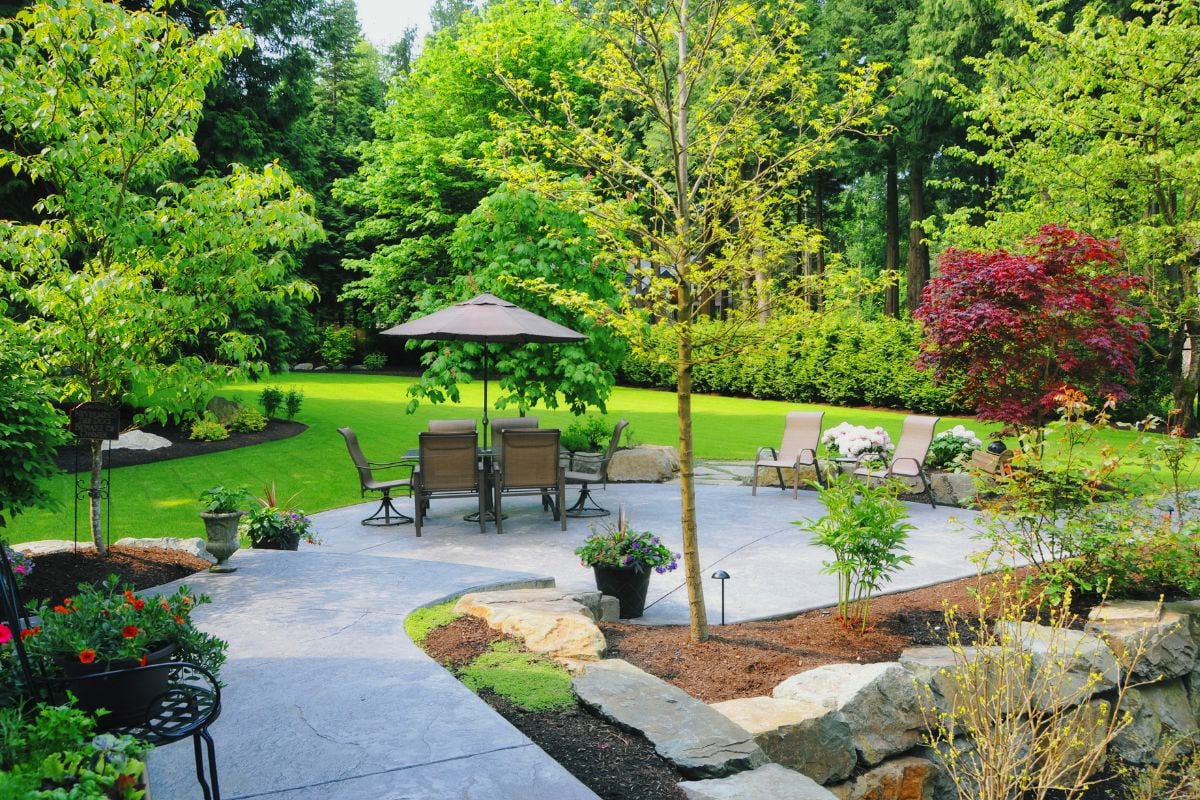
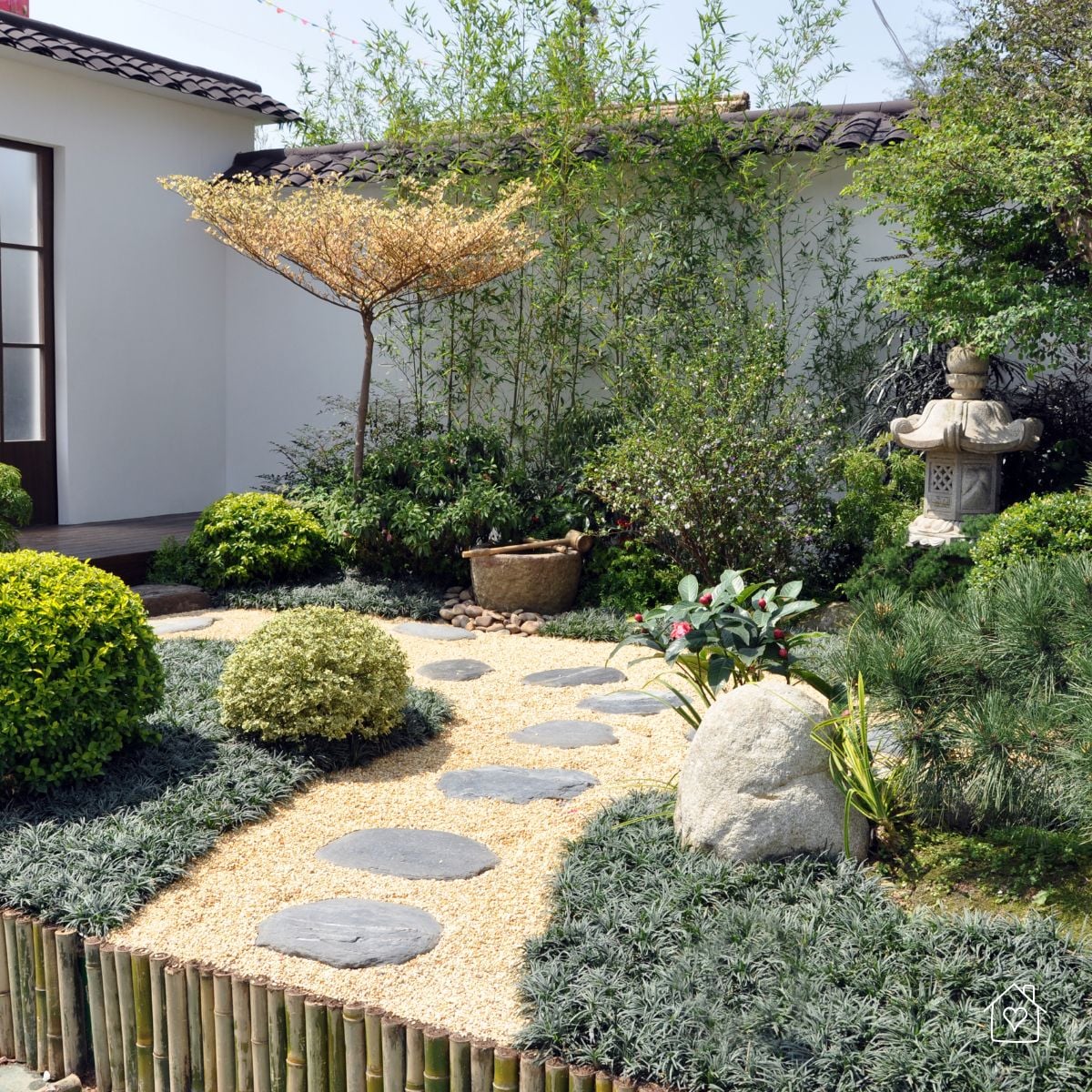
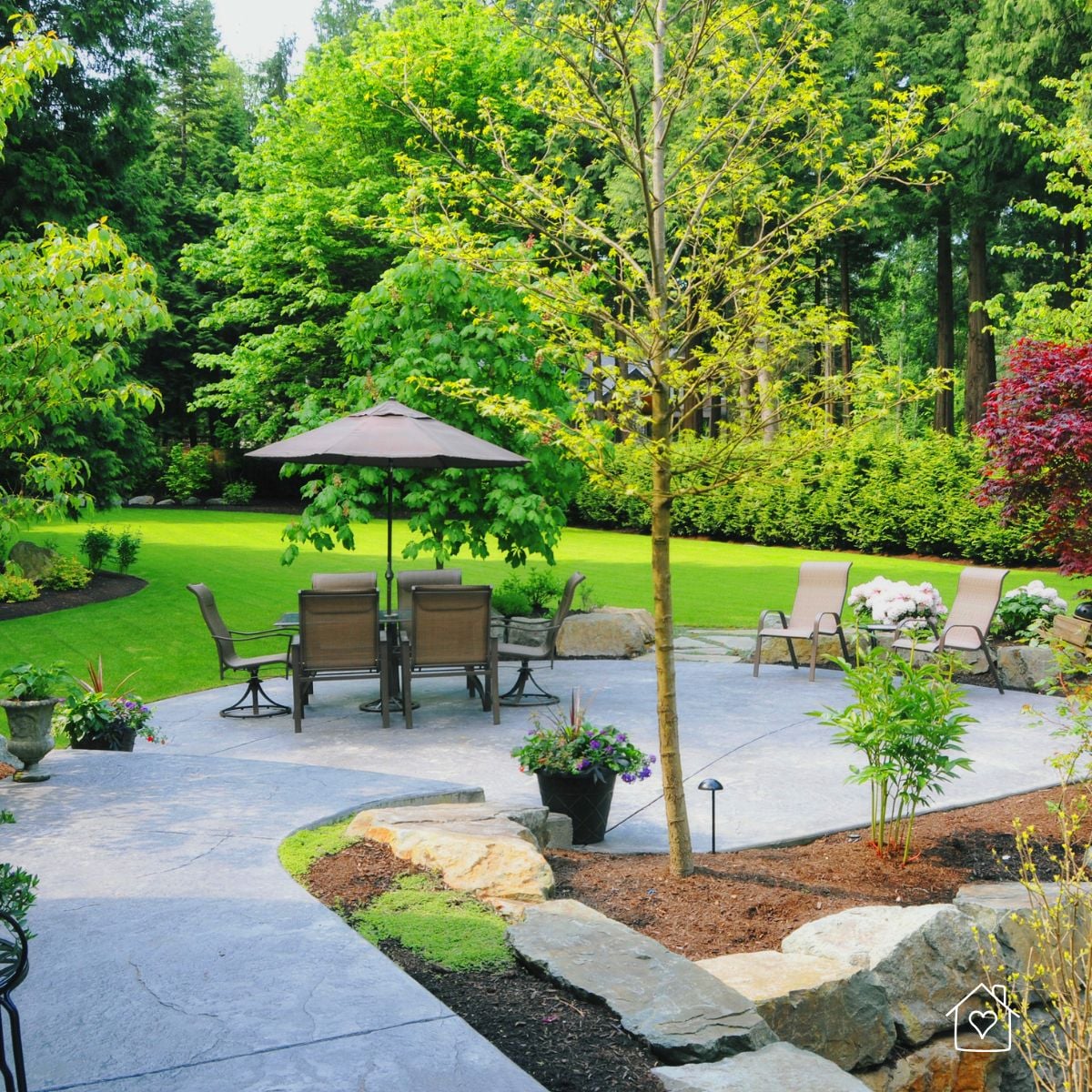
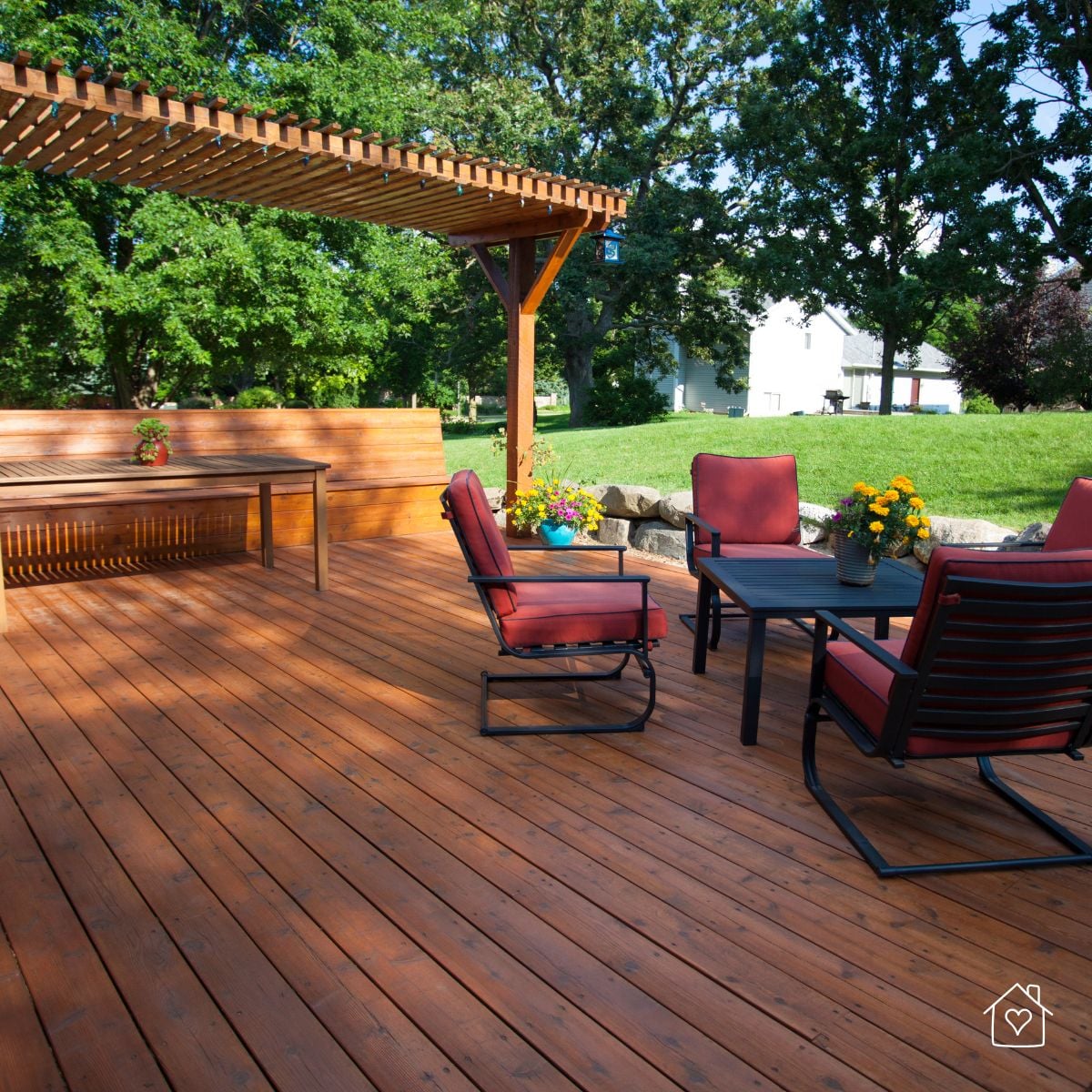
A high-end outdoor transformation begins with a clear vision and meticulous planning. Professional teams collaborate closely with homeowners to understand lifestyle needs, aesthetic preferences, and property potential. Through careful material selection, skilled craftsmanship, and attention to seasonal considerations, ordinary yards evolve into cohesive, functional retreats. The process balances artistry with practicality, ensuring every element serves both beauty and purpose for years of enjoyment.
Introduction
Imagine stepping into your backyard and feeling an instant sense of calm. The gentle sound of water, the warmth of natural stone underfoot, and the soft glow of integrated lighting create a sanctuary that feels worlds away from daily demands. This is the power of intentional outdoor design.
For homeowners seeking this level of refinement, the journey starts with choosing the right partner. Discussions around Calgary landscaping transformations by Tazscapes often highlight how thoughtful planning and expert execution turn complex visions into seamless realities. The best outcomes emerge when creativity meets technical precision.
This guide walks you through the essential elements of premium outdoor projects. You will learn about design principles, material considerations, and collaboration strategies that lead to stunning, lasting results. Let us explore what makes a transformation truly exceptional.
The Foundation of Exceptional Outdoor Transformations
Creating a remarkable outdoor space requires more than beautiful plants and attractive stone. It demands a strategic approach that honours your property's unique characteristics while delivering the lifestyle you envision. Let us explore the key phases that distinguish truly premium projects.
Understanding Your Property's Potential
Every successful transformation begins with a thorough assessment. Professionals evaluate soil composition, drainage patterns, sun exposure, and existing vegetation. They also consider how you move through your space and where you naturally gather. This diagnostic phase ensures that design decisions work with your land, not against it.
Key factors in property evaluation include:
- Topography and grading requirements
- Microclimates created by buildings or mature trees
- Utility access and underground infrastructure
- Seasonal wind patterns and snow accumulation zones
The Design Process: From Concept to Detailed Plans
A cohesive landscaping design serves as the blueprint for your entire project. This stage transforms abstract ideas into actionable plans with precise measurements, material specifications, and planting schedules. The most effective designs balance aesthetic harmony with practical functionality.
During this phase, you might review:
- Concept sketches and mood boards
- Three-dimensional renderings for spatial clarity
- Plant palettes selected for year-round interest
- Lighting layouts that enhance safety and ambiance
| Design Element | Purpose | Consideration |
| Hardscape Layout | Defines spaces and circulation | Material durability and slip resistance |
| Plant Selection | Adds colour, texture, and privacy | Hardiness zone and maintenance needs |
| Water Features | Creates focal points and soothing sound | Pump efficiency and winterization |
| Lighting Plan | Extends usability into evening hours | Energy use and light pollution reduction |
Material Selection and Craftsmanship Standards
Premium transformations rely on materials that endure Canadian seasons while maintaining their visual appeal. Natural stone, high-grade composites, and sustainably sourced wood each bring distinct advantages. The difference lies not just in the product, but in how it is installed.
Quality indicators to discuss with your team:
- Stone thickness and finish consistency
- Jointing techniques that prevent shifting
- Plant sourcing from reputable local nurseries
- Warranty coverage for both materials and workmanship
Collaborating with Skilled Professionals
The expertise of landscape contractors directly influences project outcomes. Look for teams who communicate clearly, respect timelines, and demonstrate pride in their craft. A collaborative relationship ensures that adjustments can be made smoothly as the project evolves.
When evaluating potential partners, consider:
- Portfolio depth across different styles and scales
- Client references and project testimonials
- Licensing, insurance, and safety certifications
- Approach to site protection and cleanup
For homeowners exploring Calgary landscaping options, understanding these foundational elements helps set realistic expectations and fosters productive conversations with your chosen team.
Planning Your Next Steps with Confidence
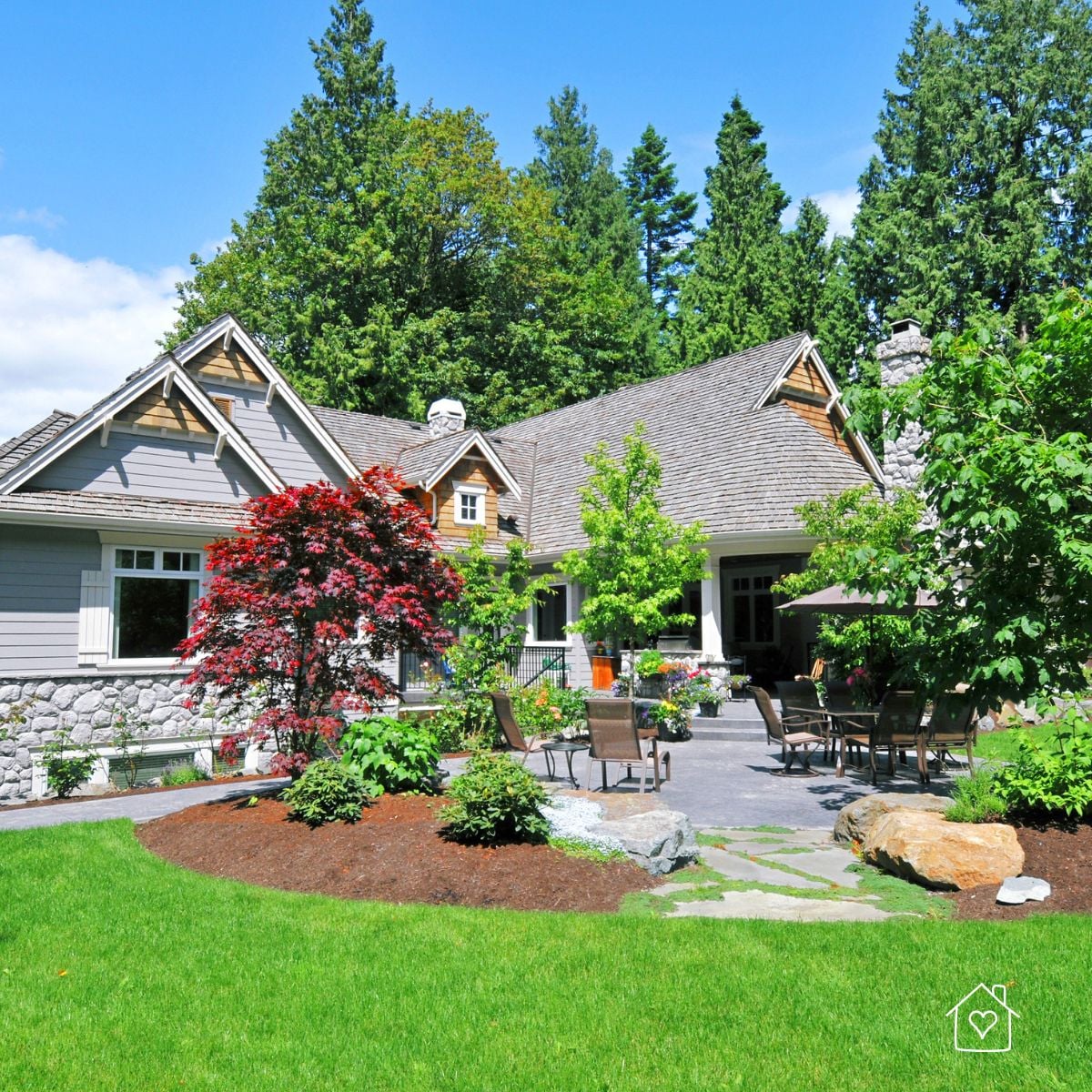
Once you understand the foundational elements, the focus shifts to actionable preparation. This phase empowers you to move forward with clarity, ensuring your investment delivers both immediate satisfaction and long-term value.
Setting Realistic Goals and Budget Parameters
Clear objectives guide every decision. Start by defining your primary motivation: is it entertainment space, privacy, curb appeal, or low-maintenance living? Then, establish a budget range that accounts for design, materials, installation, and future upkeep.
Consider these budget allocation guidelines:
- Design and planning: 10 to 15 percent
- Hardscape materials and installation: 40 to 50 percent
- Softscape and planting: 20 to 30 percent
- Lighting, irrigation, and extras: 10 to 15 percent
Questions to Ask When Evaluating Landscape Companies
Choosing the right team is pivotal. Thoughtful questions reveal professionalism, expertise, and cultural fit. Avoid vague inquiries and focus on specifics that matter to your project's success.
| Question Category | Sample Questions |
| Experience | How many projects like mine have you completed in the past year? |
| Process | What does your typical timeline look like from approval to completion? |
| Communication | Who will be my main point of contact during construction? |
| Aftercare | What support do you offer once the project is finished? |
Preparing Your Property and Household
A smooth installation depends on thoughtful preparation. Simple steps beforehand minimize disruptions and protect your property. Share these considerations with your household to ensure everyone is aligned.
Helpful preparation steps include:
- Clearing access paths for equipment and material delivery
- Marking underground utilities or sensitive garden areas
- Discussing work hours and noise expectations with neighbours
- Securing
pets and planning for dust or temporary mess
Thinking Beyond Installation: Long-Term Care
A beautiful transformation deserves ongoing attention. Discuss maintenance expectations early so your space matures gracefully. Many homeowners appreciate a seasonal care outline that aligns with Canadian climate rhythms.
Key maintenance considerations:
- Spring cleanup and irrigation system activation
- Summer pruning, fertilizing, and pest monitoring
- Autumn leaf management and plant protection
- Winter planning for snow removal and feature preservation
When reviewing landscaping design options, prioritize solutions that match your willingness to maintain them. A stunning water feature or intricate planting scheme requires commitment. Simpler designs with native plants and durable hardscapes often deliver elegance with less ongoing effort.
Final Thoughts on Creating Your Outdoor Sanctuary
A transformative outdoor space begins with vision and thrives on thoughtful execution. By focusing on property assessment, intentional design, quality materials, and skilled collaboration, you create more than an attractive yard. You build a personal retreat that enhances daily life and grows in value over time.