The One-Trip Garden Reset: How to Move Tools, Plants, and Mulch Without the Back-and-Forth
I have a confession to make. Every spring I start a "quick" garden refresh and somehow end up making a dozen trips across the yard. The trowel's in the shed, the mulch is still sitting by the car, and the poor plants are waiting by the back door wondering if I forgot about them. Before I know it, half my afternoon is gone to walking back and forth.
A little prep changes all of that though. Gather what you need, load it in an order that actually makes sense, and decide where you're headed before you take a single step. The work feels so much calmer, and a lot less time disappears into trips you didn't need to make.
From time to time, articles on The How-To Home may reference third-party websites, businesses, products, services, or review platforms as part of editorial research. When evaluating companies or services, we may consider publicly available information such as customer reviews, business websites, service offerings, licensing information when available, and overall relevance to the topic.
Plan the Job by Area
I like to start with the yard itself, not my to-do list. Think in stops rather than tasks.
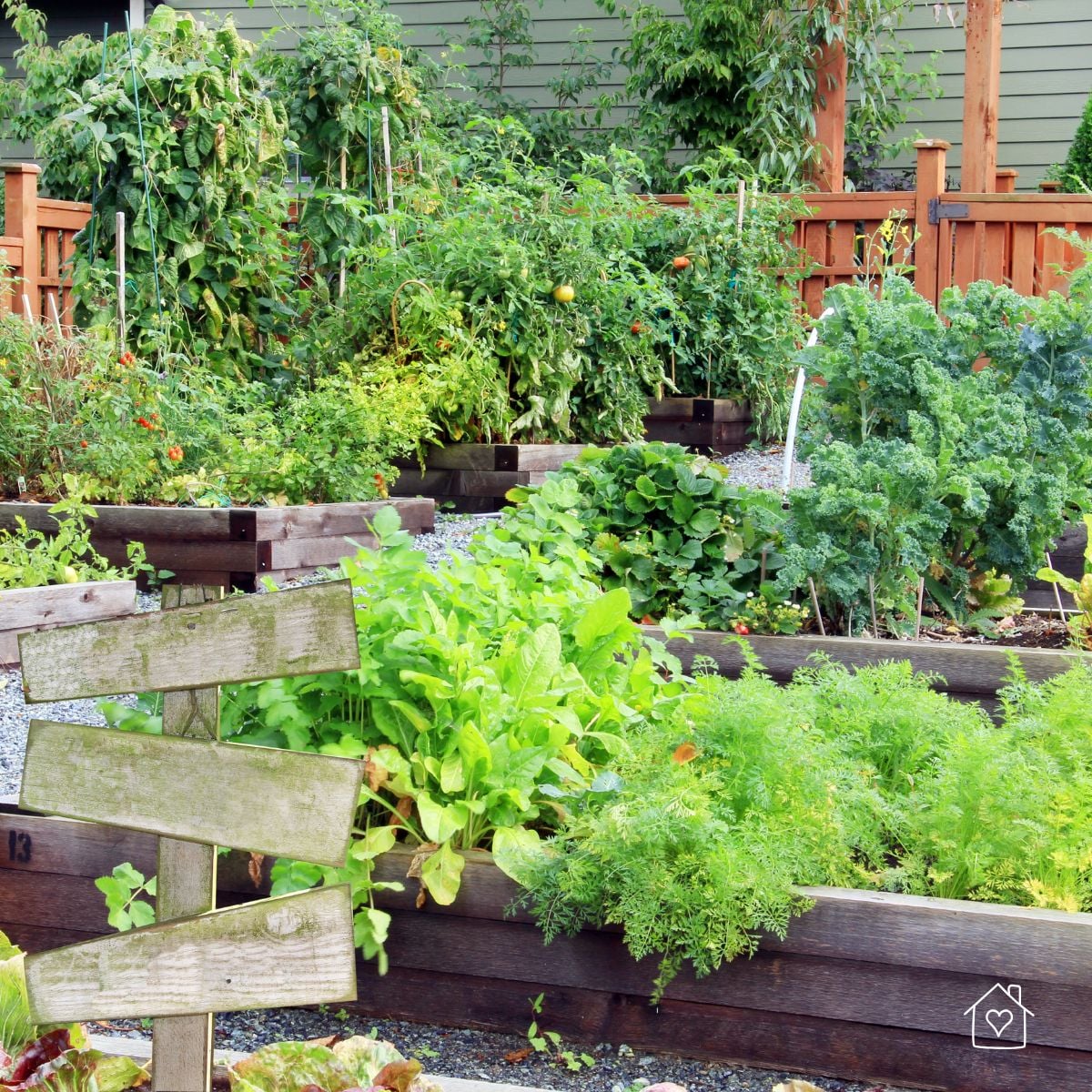
Maybe the front border needs mulch, the vegetable bed needs weeding and feeding, and the patio pots need fresh soil. Grouping it by area instead of by chore makes it so much easier to see what belongs where.
Set aside the supplies for each stop, then be honest with yourself and pull out anything you probably won't use. An overloaded cart is harder to handle, and extra tools just end up buried under bags, pots, and gloves anyway (I've dug through that pile more times than I'd like to admit).
Set Up One Loading Spot
Choose a flat spot near the garage, shed, or driveway and claim it as your staging area. Bring everything there first, before you even think about loading the cart.
Keep hand tools in a bucket or tote. Leave the heavy bags on the ground until they're ready to load, and set tender plants somewhere they won't get knocked over. Small stuff like labels, twine, gloves, and plant food should stay together instead of floating around loose (that's how a pair of pruners disappears into the mulch pile for a week).
Seeing it all laid out in one place usually shows you what's missing too. It's a lot easier to grab a forgotten pruner now than after you've already crossed the yard.
Choose the Right Hauler
A wheelbarrow is great for loose soil, compost, and mulch. A garden cart or utility wagon gives potted plants, tools, and bagged materials a wider, more stable base to ride on.
Let your yard make the choice for you. Wide wheels move more easily across soft ground, while a narrower frame is easier to steer through gates and between raised beds. Load capacity matters, sure, but so does balance. A cart packed heavier than your terrain can handle gets awkward fast.
A work wagon from Lapp Wagons, for example, is a great fit for bulky bags and bigger loads, while a narrower garden cart is easier to maneuver between raised beds.
Pack for the First Stop
Whatever you'll need first should be the easiest to reach. Keep gloves, hand tools, and the smaller supplies near the top or along the sides.
Heavy bags go at the bottom, where they give you a solid base. Pots should sit where leaves and stems won't get crushed, and sharp tools need their own space, away from anything plastic.
And don't fill every last inch. That little bit of open room comes in handy once empty pots, weeds, packaging, and dirty tools start making their way back with you.
Walk the Route Before You Load
Take a quick lap through the yard before you load anything. Move the hoses, toys, branches, whatever might catch a wheel or force a sudden turn. Check the narrow gates and tight corners now, while the cart is still empty.
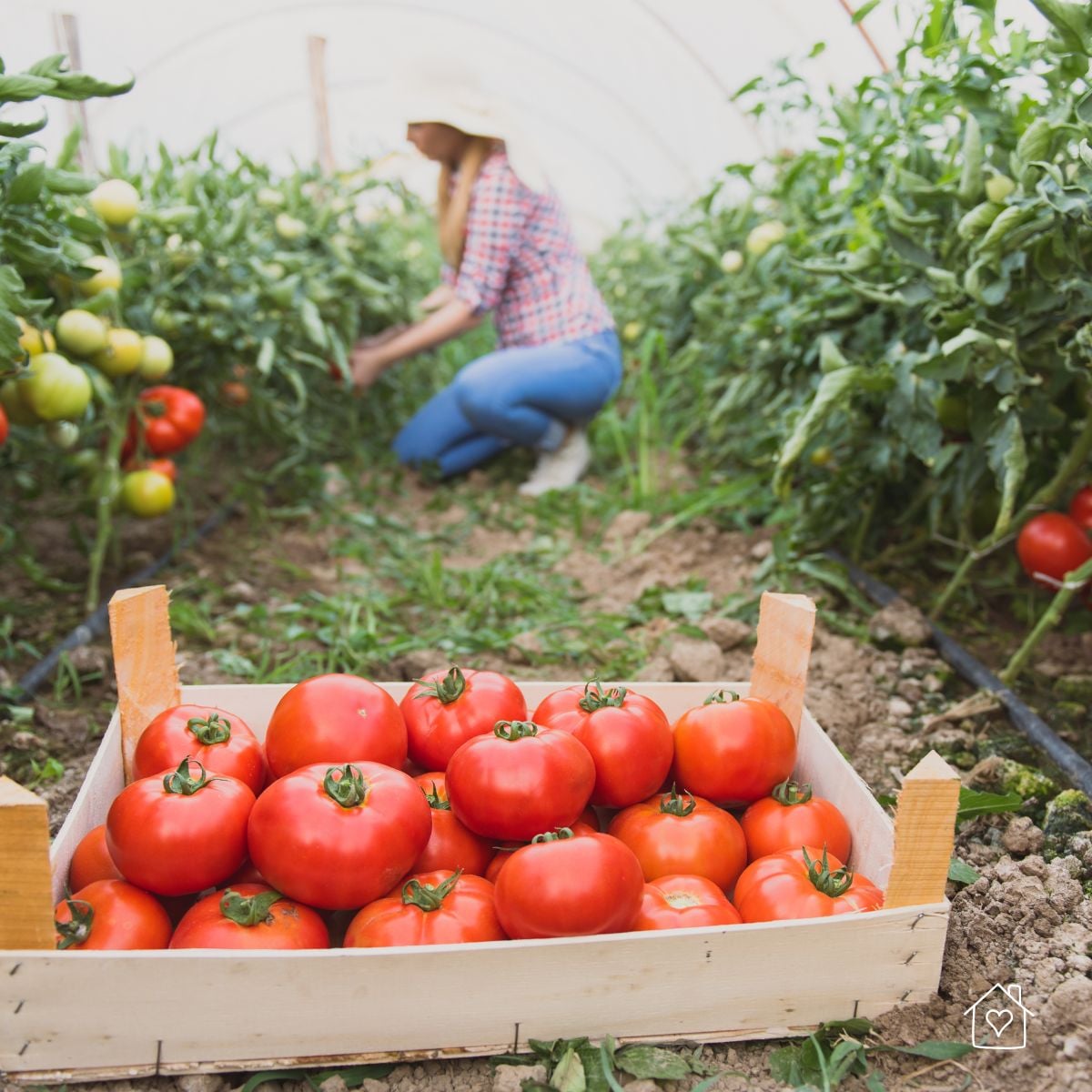
Rough paving, soft soil, and slopes all deserve a lighter load. I'd rather make one extra, controlled trip than wrestle with a cart that feels like it's about to tip. Using a cart or wheelbarrow for heavy garden materials can also save your back when you're moving soil, compost, or mulch across the yard.
The route doesn't have to be perfect. It just needs to be clear enough that you're not stopping every few feet.
Move Through the Yard in One Direction
Start at the point farthest from your staging area and work your way back toward it.
Unload only what belongs at each stop. That way finished beds don't get disturbed later, and tools don't end up dropped wherever there's room.
Once the main work's done, retrace that same route. Collect the empty pots, weeds, torn bags, and hand tools as you go. Cleanup just becomes part of the flow instead of a separate chore waiting for you at the end.
Use the Return Trip Wisely
By the time the planting or mulching is done, the wagon should have room again. Use that space to bring everything back in one organized load instead of an armful at a time.
Keep the reusable pots and unopened materials away from wet debris. Lay sharp tools where they won't puncture bags, and keep loose branches or soil down low so the load stays steady.
A tidy return trip makes those last few minutes so much easier. Instead of a handful of passes back and forth, you land back at the staging area with most of the cleanup already done.
Put Everything Away While It's Fresh
Brush the soil off your tools before it dries on. Wipe down the handles, clear the mud off the wheels, and let anything damp air out before you put it away.
Give each item a regular spot. Gloves, pruners, trowels, and the smaller supplies are so much easier to find when they aren't scattered across shelves and bins. A few consistent habits for storing gardening tools properly can keep the shed from drifting right back into clutter.
Take one more minute to check the cart itself for loose hardware, worn wheels, or trapped debris. Small problems are a lot easier to handle now than at the start of your next project.
A Smoother Way to Work Outside
The one-trip approach isn't about rushing, or trying to carry everything at once. It's about cutting out all that aimless back-and-forth that makes a simple garden job feel a lot longer than it needs to.
With a clear plan, a balanced load, and a route that actually makes sense, the whole thing moves at a steadier pace. You end up with fewer trips, less lifting, and a yard that's already close to clean by the time that last plant goes in the ground.